 TECH TIMES NEWS
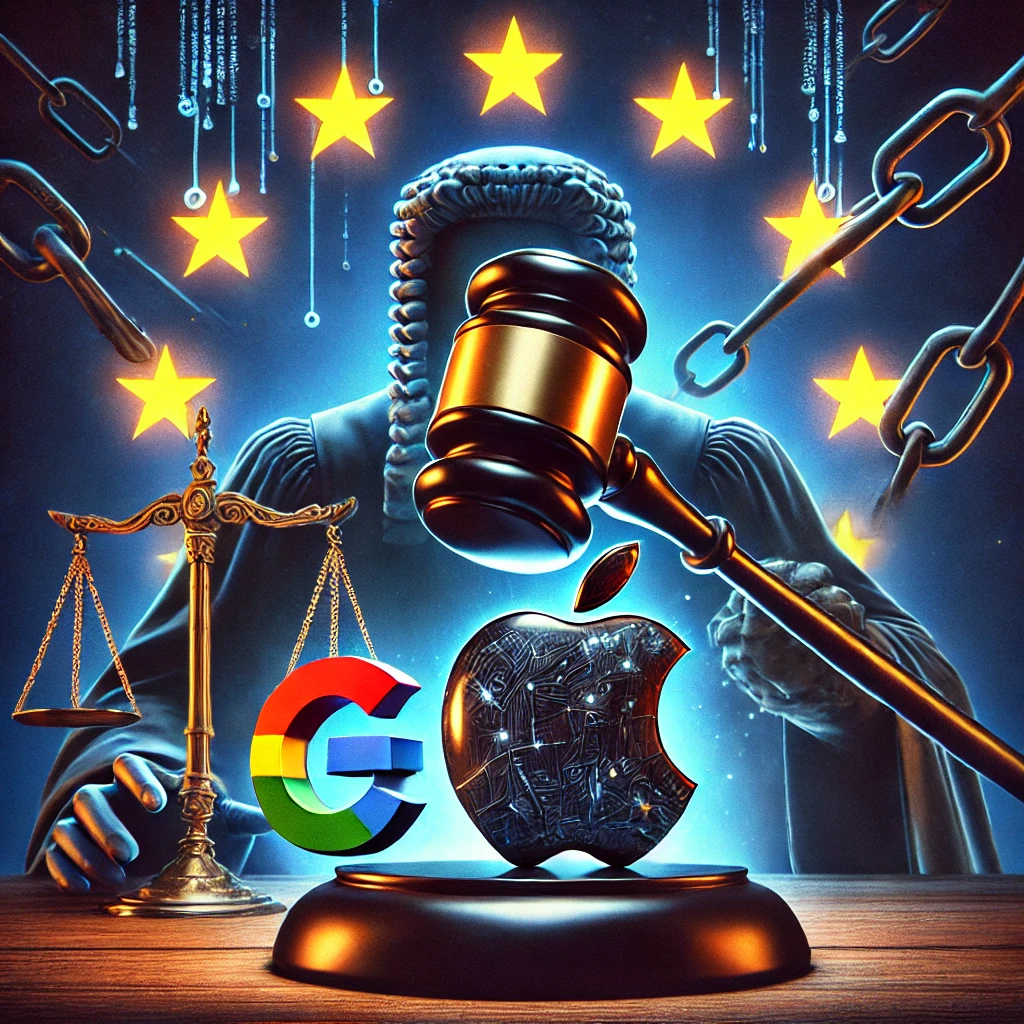
Key Points:
-
The EU is enforcing the Digital Markets Act (DMA) to curb anti-competitive practices.
-
Google and Apple are under scrutiny for restrictive policies in their app stores and search engines.
-
Potential penalties include hefty fines and mandatory business practice changes.
-
The EU demands that “gatekeepers” allow third-party app stores and alternative payment systems.
-
Apple and Google have made adjustments, but regulators say they may not be sufficient.
-
The crackdown could have global implications as other regulators observe the case.
Brussels, March 20, 2025 – Tech giants Google and Apple are facing heightened scrutiny as the European Union enforces its stringent new Digital Markets Act (DMA). The regulation, aimed at curbing anti-competitive practices, has led to a fresh wave of investigations into how the companies operate their app stores, search engines, and mobile ecosystems.
The European Commission announced on Wednesday that both companies could face hefty fines or be forced to overhaul key business practices if found in violation of the DMA. The crackdown targets restrictive policies such as Apple’s App Store payment rules and Google’s search result preferences, which regulators argue unfairly disadvantage smaller competitors.
“We are committed to ensuring a fair and open digital marketplace,” said EU competition chief Margrethe Vestager. “No company, no matter how large, should dictate the rules of engagement at the expense of competition and innovation.”
Under the new law, designated “gatekeepers” like Google and Apple must allow third-party app stores, provide users with more freedom to choose default apps, and ensure that developers are not locked into restrictive payment systems. The legislation, which took effect earlier this month, marks one of the EU’s most aggressive moves yet against Silicon Valley’s biggest players.
Apple has responded by making changes to its App Store policies, including allowing alternative payment methods in the EU, but regulators argue these adjustments do not go far enough. Meanwhile, Google has already been fined billions in past antitrust cases and could face further penalties if found to be in non-compliance with the DMA.
Industry analysts suggest the EU’s actions could have ripple effects worldwide, with other regulators closely watching the developments. The crackdown signals a broader shift in the global regulatory landscape, where big tech firms are increasingly being held accountable for market dominance.
As investigations progress, the tech giants will need to prove their willingness to comply—or risk facing significant consequences that could reshape their European operations. The coming months will be crucial in determining whether the EU’s regulatory push truly levels the digital playing field.