 TECH TIMES NEWS
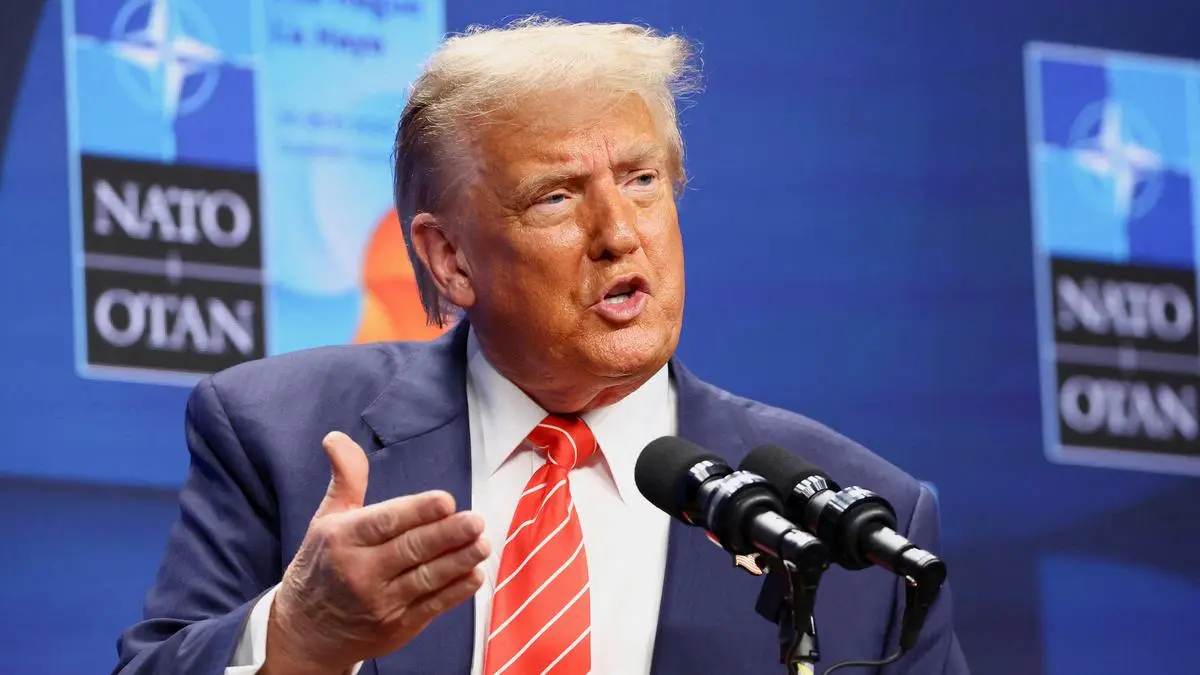
A viral YouTube video that purportedly shows Donald Trump endorsing Bitcoin during a recent NATO Summit has been exposed as a sophisticated crypto scam. The video features convincing visuals and AI-generated audio mimicking Trump’s voice, falsely claiming support for a new Bitcoin investment platform. The former President never made such statements during the NATO event, held in Washington, D.C.
Deepfake Technology at the Core of the Fraud
Cybersecurity experts have confirmed that the video is a deepfake — a synthetic media production created using AI tools that imitate a real person’s voice and appearance. Analysts noted the uncanny synchronization of Trump's voice and gestures, which made the fake video difficult to detect at first glance. The scam directed viewers to a fraudulent website posing as a Bitcoin investment portal.
YouTube Scrambles to Take Down Video
The fraudulent video was widely shared before YouTube flagged it and removed it for violating its policies on misleading content. However, by then, thousands of users had viewed and potentially interacted with the scam link. YouTube has faced repeated criticism for slow response times in curbing deceptive financial content, particularly involving AI-generated political deepfakes.
Public Figures Remain Prime Targets
This latest incident underscores a growing trend where scammers exploit the likeness of high-profile figures such as Elon Musk, Joe Biden, and now Donald Trump to lend false legitimacy to fraudulent crypto platforms. “This isn’t just a scam—it’s weaponized disinformation,” said a spokesperson from a leading digital ethics watchdog.
Calls for Stronger Regulation and AI Detection Tools
The emergence of such videos is prompting renewed calls for tech platforms and regulators to adopt stricter controls over deepfake content, especially when linked to financial fraud. Industry experts advocate for AI-based detection systems and watermarking technologies to help users distinguish real from fake content in the age of synthetic media.