 TECH TIMES NEWS
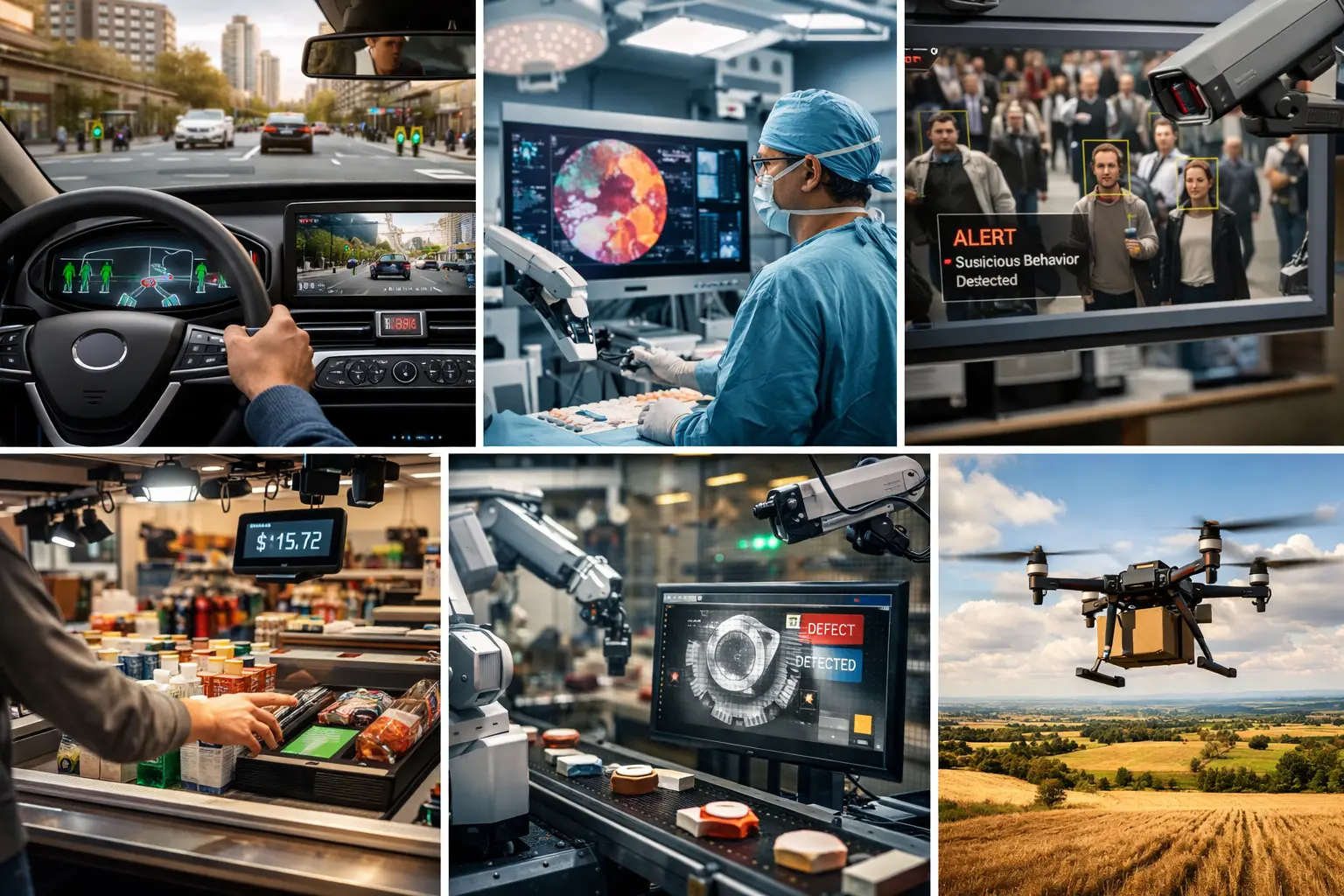
Computer vision has rapidly evolved from an experimental AI discipline into a core technology powering real-world systems across industries. By 2026, advances in edge AI, multimodal models, and real-time image processing have pushed computer vision beyond simple object recognition into complex decision-making roles. Governments, enterprises, and startups are now deploying vision-based systems at scale, making the technology more visible—and more consequential—than ever before.
Smarter Cities Powered by Visual Intelligence
Urban infrastructure is increasingly dependent on computer vision to manage traffic, public safety, and energy efficiency. AI-powered cameras are now capable of detecting congestion patterns, identifying road hazards, and dynamically adjusting traffic signals in real time. Municipal authorities are also using vision systems to monitor waste management, illegal dumping, and infrastructure damage, reducing operational costs while improving urban living standards.
Healthcare Sees a Diagnostic Breakthrough
In healthcare, computer vision is transforming diagnostics and patient care. Hospitals in 2026 are using AI-driven imaging systems to assist radiologists in detecting cancers, neurological disorders, and cardiovascular risks earlier and more accurately. Beyond diagnostics, vision-based monitoring tools are enabling contactless patient observation, helping medical staff track recovery, prevent falls, and manage intensive care units more efficiently.
Retail and E-Commerce Enter the Visual Commerce Era
Retailers are embracing computer vision to bridge the gap between online and offline shopping. Automated checkout systems, powered by cameras and AI models, are reducing wait times and labor costs. Meanwhile, visual search tools allow customers to find products simply by uploading images, while in-store analytics help brands understand customer behavior, optimize shelf placement, and personalize promotions in real time.
Manufacturing Embraces AI-Driven Quality Control
Factories in 2026 are increasingly relying on computer vision for defect detection and predictive maintenance. High-speed cameras combined with deep learning models can now spot microscopic flaws that human inspectors might miss. This shift not only improves product quality but also minimizes downtime by identifying equipment wear before failures occur, making manufacturing lines smarter and more resilient.
Autonomous Mobility Gains Ground
Computer vision remains a cornerstone of autonomous and semi-autonomous vehicles. Advanced vision systems now work alongside radar and LiDAR to interpret complex road environments, recognize pedestrians, and respond to unpredictable conditions. Beyond cars, drones and delivery robots equipped with visual AI are becoming more common in logistics, agriculture, and emergency response operations.
Security, Surveillance, and Ethical Debates
Security applications continue to expand, with computer vision enabling faster threat detection and improved situational awareness. Facial recognition, behavior analysis, and anomaly detection systems are widely deployed in airports, stadiums, and public venues. However, the growing use of visual surveillance has intensified debates around privacy, data protection, and ethical AI governance, prompting regulators to introduce stricter compliance frameworks.
The Road Ahead for Computer Vision
As 2026 unfolds, computer vision is no longer a background technology—it is a visible force shaping how societies function. With continued improvements in model efficiency, explainability, and regulation, experts believe visual AI will become even more deeply embedded in daily life. The challenge ahead lies in balancing innovation with responsibility, ensuring that computer vision systems remain transparent, secure, and aligned with public trust.