 TECH TIMES NEWS
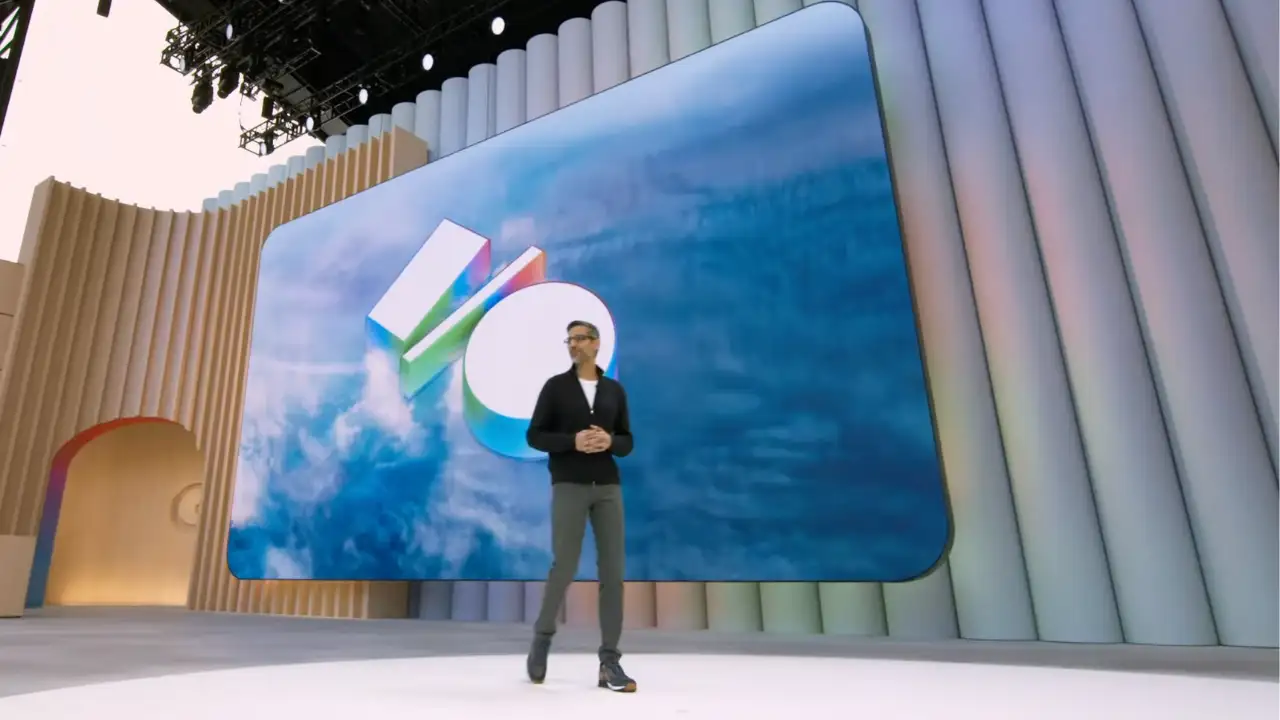
At its highly anticipated I/O 2025 developer conference, Google unveiled a suite of groundbreaking AI-powered features and integrations, reinforcing its push toward an increasingly intelligent and seamless digital ecosystem. Among the most notable announcements were the introduction of AI-powered Beam, real-time translation capabilities in Google Meet, and significant advancements tied to Project Astra, Google's ambitious next-generation AI agent initiative.
AI-Powered Beam: The Future of Information Sharing
One of the flashiest demos of the event was Beam, a new AI-powered feature designed to redefine how people share information and collaborate in real time. Beam allows users to point their phones at someone or something and “beam” relevant content, links, and contextual data instantly, using advanced geospatial understanding and AI context awareness.
Think of Beam as an evolution of Near Share or AirDrop, but enhanced with AI intelligence. Whether you're at a conference, a classroom, or collaborating remotely, Beam can share links, summaries, and relevant materials by simply targeting the recipient or environment — even recognizing objects and people with contextual relevance.
Live Translations in Google Meet: Breaking the Language Barrier
Building on its leadership in AI translation, Google has finally integrated real-time multilingual translation directly into Google Meet. Using advanced models from Google Translate and Gemini AI, the new system supports live voice translation in multiple languages, enabling seamless communication during meetings regardless of participants’ native tongues.
The feature supports automatic captioning and voice replacement, meaning speakers can be heard in translated languages using synthetic versions of their own voices — making conversations feel natural and personal. This is a major step forward in breaking down global communication barriers for businesses, education, and personal use alike.
Project Astra: Google’s Next-Gen AI Assistant Evolves
Arguably the highlight of the event was Project Astra, the latest evolution in Google's vision of a universal AI assistant. First teased in 2023, Project Astra is now more capable than ever, with integration across devices, visual understanding, and proactive assistance.
Demonstrations showcased Astra’s ability to see and understand the physical world through a phone or smart glasses camera in real time. Users can point at objects and ask Astra questions — such as identifying a piece of hardware, translating a foreign sign, or recalling where you last left your keys (by analyzing video memory).
Astra can now also maintain longer contextual awareness across sessions, making it feel more like a helpful, consistent companion than a typical virtual assistant.
A Unified Gemini Ecosystem
Underpinning all these announcements is Gemini, Google’s flagship AI model, which now powers nearly every AI function in the ecosystem — from Beam and Meet translations to Project Astra. Google emphasized that Gemini's integration is designed with privacy, on-device processing, and scalability in mind.
The new Gemini 2.5 model brings improved reasoning, real-time data understanding, and more personalized user interactions, available through Android, Chrome, and Google Workspace products.
Looking Forward
With these announcements, Google is positioning itself not just as a search giant, but as a frontrunner in shaping the AI-centric future. By weaving advanced artificial intelligence into everyday tools, Google aims to redefine how we work, communicate, and interact with the digital and physical world.
The next few months will be critical as these features begin to roll out to developers and users. If Google’s vision holds true, AI won't just answer questions — it will anticipate needs, enhance collaboration, and transform human-computer interaction in fundamental ways.