 TECH TIMES NEWS
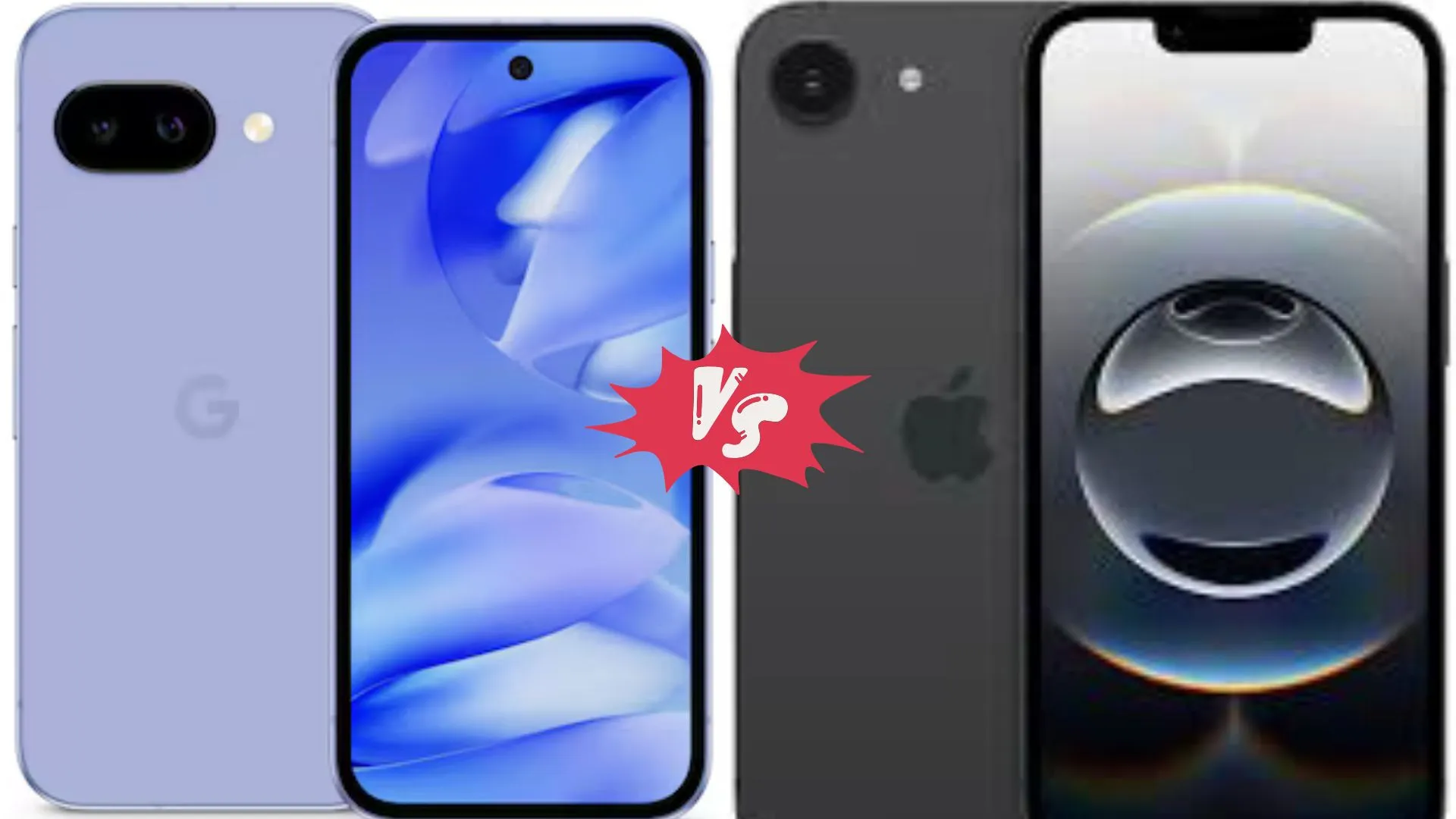
Google and Apple continue their rivalry in the smartphone market, and this time, it's the Google Pixel 9a vs. Apple iPhone 16e—two affordable yet powerful options for users who want premium features without the flagship price tag. While both devices aim to bring high-end experiences to a broader audience, they take very different approaches in design, performance, and software. Let's break down how they compare.
Design & Display: Sleek vs. Classic
-
Google Pixel 9a: Stays true to Pixel’s signature look, featuring a matte-finish aluminum frame and a 6.1-inch OLED display with a 120Hz refresh rate for smoother scrolling. The slim bezels and hole-punch front camera give it a modern aesthetic.
-
Apple iPhone 16e: Apple retains its iconic aluminum and glass build, with a 6.1-inch Super Retina XDR display. However, it sticks with 60Hz refresh rate, making animations feel less fluid compared to the Pixel 9a.
📌 Winner: Pixel 9a – The higher refresh rate and OLED display make it a more appealing option for those who value smooth visuals.
Performance & Chipset: AI Power vs. Optimization
-
Pixel 9a: Powered by Google’s Tensor G3 chip, which focuses on AI-driven enhancements such as smarter voice recognition, better photography, and real-time translations. While not the most powerful chip, it prioritizes intelligence over raw speed.
-
iPhone 16e: Runs on the A17 Bionic (non-Pro variant), delivering industry-leading efficiency and performance. Apple's tight hardware-software integration means apps run smoothly, and long-term software support is a big plus.
📌 Winner: iPhone 16e – If you want better raw performance and longevity, Apple takes the lead. However, Pixel’s AI-driven approach might be appealing for those who prioritize software intelligence.
Camera System: Computational Photography vs. Apple’s Refinement
-
Pixel 9a: Google’s 50MP primary camera and 12MP ultrawide lens shine with computational photography, delivering excellent low-light shots, AI-powered enhancements, and Google's signature Real Tone processing for accurate skin tones.
-
iPhone 16e: Sticks with 12MP dual cameras, but Apple’s Deep Fusion and Smart HDR ensure crisp, natural-looking photos. However, Pixel’s AI-driven photography gives it an edge in scenarios like Night Sight and Super Res Zoom.
📌 Winner: Pixel 9a – While both phones take great photos, Google’s AI-powered computational photography gives it an advantage, especially in low light and detail processing.
Software & Ecosystem: Android Flexibility vs. iOS Simplicity
-
Pixel 9a: Ships with Android 15, offering pure Google software, Pixel-exclusive AI features, and longer software support than previous Pixel A-series phones. AI tools like Call Screen, Magic Editor, and Google Assistant enhancements set it apart.
-
iPhone 16e: Runs on iOS 18, bringing Apple Intelligence AI, improved Siri, and deeper ecosystem integration with iPads and Macs. iOS is known for stability, security, and longevity, with updates lasting 5+ years.
📌 Winner: Tie – Pixel 9a wins for AI and customization, while iPhone 16e wins for seamless Apple ecosystem integration.
Battery Life & Charging: All-Day Power?
-
Pixel 9a: Packs a 4,700mAh battery, offering strong endurance, with 30W fast charging and wireless charging support.
-
iPhone 16e: Features a 3,500mAh battery, but Apple’s A17 chip optimizations help it last longer than expected. However, it still relies on 20W wired charging and MagSafe wireless charging, which is slower than the Pixel’s charging speeds.
📌 Winner: Pixel 9a – Bigger battery and faster charging make it a more power-efficient choice.
Price & Value: Which Offers More for Less?
-
Pixel 9a: Expected price: $499 – A competitive offering with flagship-grade cameras, AI features, and a 120Hz OLED display.
-
iPhone 16e: Expected price: $599 – More expensive, but you’re paying for iOS updates, Apple’s ecosystem, and longer hardware longevity.
📌 Winner: Pixel 9a – At $100 less, it offers better hardware for the price, though Apple’s resale value and ecosystem are worth considering.
Final Verdict: Which Should You Buy?
-
Buy the Pixel 9a if you want a more affordable phone with AI-driven features, a better camera, and a higher refresh rate display.
-
Buy the iPhone 16e if you prefer iOS, longer software support, and a more refined ecosystem experience with Apple devices.
Both smartphones cater to different users, but Google Pixel 9a is the better value choice, while iPhone 16e is for those deeply invested in Apple’s ecosystem. Either way, both brands continue to push boundaries in the mid-range segment.