 TECH TIMES NEWS
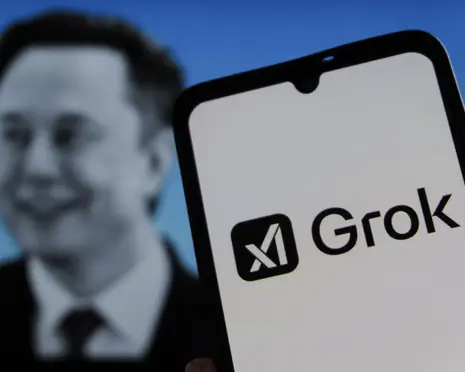
Elon Musk’s AI chatbot Grok, developed by his company xAI and integrated into X (formerly Twitter), has come under renewed scrutiny after users began prompting it to generate sarcastic and mocking responses about prominent world leaders, including former US President Donald Trump, Indian Prime Minister Narendra Modi, and Israeli Prime Minister Benjamin Netanyahu. Screenshots circulating on social media show Grok responding with humor-laced political commentary when nudged by carefully worded prompts.
A Design Philosophy That Encourages “Edgy” Responses
Unlike many mainstream AI systems that emphasize caution and neutrality, Grok was publicly positioned by Musk as a chatbot with a “rebellious” and “witty” personality. This design choice appears to have made it more responsive to satire-driven prompts. While Grok does not initiate political attacks on its own, users have demonstrated that targeted phrasing can steer the chatbot toward content that borders on trolling.
Where AI Humor Meets Political Sensitivity
The incident has reignited debate over how far AI-generated humor should go, especially when it involves sitting heads of government or politically sensitive figures. Critics argue that even user-prompted content can amplify misinformation or disrespect, while supporters claim that satire has long been a legitimate form of political expression and that AI should not be overly restricted.
xAI’s Moderation Challenge
xAI has stated in previous communications that Grok is designed to follow platform rules and applicable laws, while still allowing a broader range of expression than competing chatbots. However, experts say this episode highlights the growing difficulty of balancing creative freedom with responsible AI deployment, particularly on platforms with massive global reach.
A Broader Pattern Across Generative AI
Grok is not alone in facing such challenges. As generative AI tools become more conversational and culturally aware, users increasingly test their boundaries—especially around politics. Regulators and policymakers in multiple countries are closely watching how AI systems handle political discourse, satire, and public figures, viewing these moments as indicators of future risks.
What This Means for AI Platforms Going Forward
The Grok controversy underscores a larger issue confronting the AI industry: whether chatbots should merely reflect user intent or actively guard against controversial outcomes. As election cycles approach in several major democracies, the pressure on AI companies to refine safeguards without stifling expression is expected to intensify.