 TECH TIMES NEWS
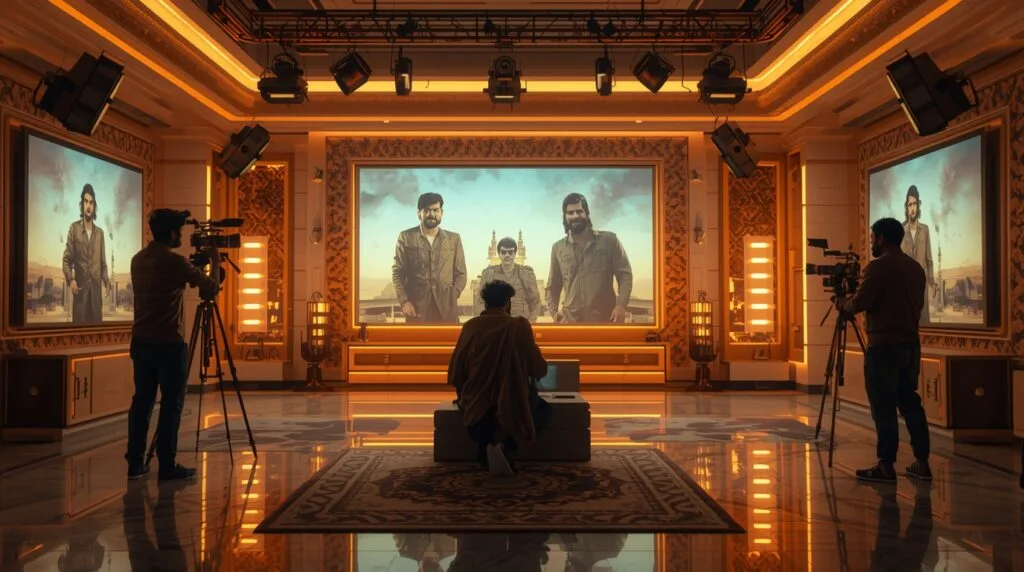
India produces more films annually than any other country, spanning Bollywood, Tollywood, Kollywood, and a wide network of regional industries. Now, this vast cinematic ecosystem is undergoing a technological shift as Artificial Intelligence begins to influence nearly every stage of filmmaking. From early script ideation to post-production and audience targeting, AI is no longer experimental—it’s becoming foundational.
The takeaway is clear: AI is not replacing cinema—it is redefining how stories are conceived, produced, and delivered at scale.
Scriptwriting and Pre-Production Get Smarter
AI-powered tools are increasingly assisting writers in brainstorming plots, refining dialogues, and even predicting audience engagement. Platforms leveraging natural language processing can analyze successful scripts, identify narrative patterns, and suggest improvements.
Studios are also using AI for casting decisions, analyzing actor popularity, past performance data, and audience sentiment across social media. This data-driven approach helps reduce financial risks in high-budget productions.
Revolutionizing Visual Effects and Editing
India’s film industry has long relied on VFX, but AI is accelerating both speed and quality. Machine learning models can now automate tasks like rotoscoping, scene reconstruction, and background generation—processes that traditionally required extensive manual labor.
AI-based editing tools are also enabling faster post-production workflows. Editors can auto-generate rough cuts, sync audio intelligently, and even enhance visuals in real time. This is especially impactful for mid-budget and regional films, where cost efficiency is critical.
Voice Cloning, Dubbing, and Localization
One of the most transformative applications of AI in Indian cinema lies in voice synthesis and dubbing. With India’s linguistic diversity, films often need to be released in multiple languages. AI-driven voice cloning allows actors to “speak” fluently in languages they may not know—without losing emotional authenticity.
This technology is also helping revive voices of late actors or recreate younger versions, though it raises ethical concerns that the industry is still navigating.
AI Meets OTT: Personalized Viewing Experiences
Streaming platforms like Netflix, Amazon Prime Video, and Disney+ Hotstar are leveraging AI algorithms to analyze viewer behavior and recommend content. In India’s crowded entertainment landscape, this personalization is crucial.
AI is also influencing content commissioning, helping platforms decide which genres, actors, or themes are likely to succeed based on user data trends.
Cost Efficiency vs Job Disruption
While AI promises efficiency, it also introduces concerns about job displacement. Roles in editing, animation, and even writing may face disruption as automation increases.
However, industry experts argue that AI will augment rather than replace human creativity. The demand for skilled professionals who can work alongside AI tools is expected to grow, shifting the talent landscape rather than shrinking it.
Ethical Challenges and Creative Integrity
The rise of deepfakes and synthetic media presents serious ethical questions. Unauthorized use of an actor’s likeness or voice could lead to legal disputes and trust issues.
Filmmakers and regulators are now discussing frameworks around consent, intellectual property, and transparency. Maintaining creative integrity while leveraging AI will be a defining challenge for the industry.
The Road Ahead: Human Creativity + Machine Intelligence
India’s film industry stands at a unique intersection of tradition and innovation. AI offers tools to scale storytelling like never before, but the essence of cinema—emotion, culture, and human connection—remains irreplaceable.
The future likely lies in collaboration: filmmakers using AI not as a crutch, but as a creative partner. As technology evolves, those who adapt intelligently will shape the next golden era of Indian cinema.