 TECH TIMES NEWS
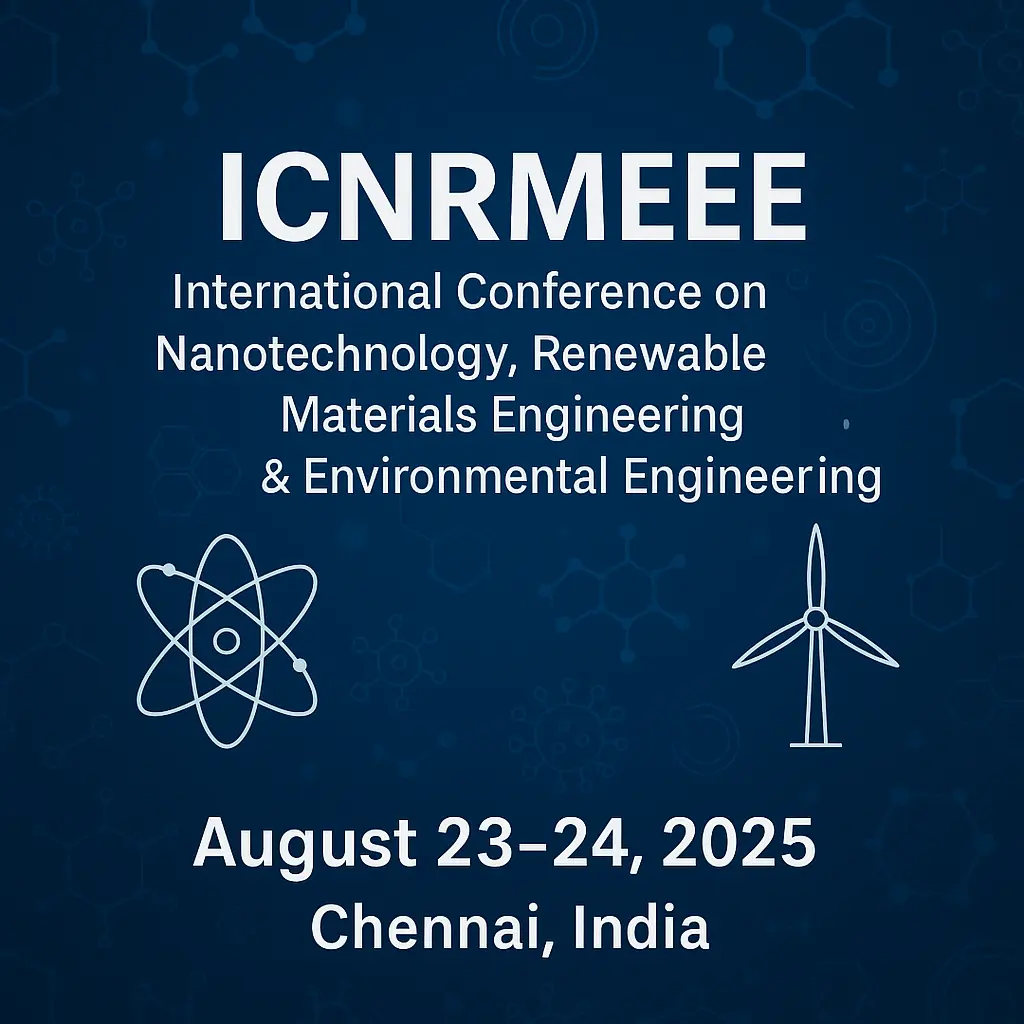
The upcoming International Conference on Nanotechnology, Renewable Materials Engineering & Environmental Engineering (ICNRMEEE) will be hosted in Chennai, India, on August 23–24, 2025. Organized by the Institute for Engineering Research and Publication (IFERP), this annual gathering is a premier event that unites top minds in academia, industry, and research to share advancements and explore the future of sustainable science and technology.
Official Website: https://icnrmeee.org
Dates: August 23–24, 2025
Venue: Chennai, India
Conference Themes: Sustainability, Nanotech, and Environmental Resilience
ICNRMEEE 2025 will cover a wide spectrum of topics including nanomaterials, bio-based engineering solutions, smart grids, renewable energy systems, environmental pollution control, and green manufacturing. The event is expected to host a diverse group of international attendees and keynote speakers addressing the critical role of materials engineering in shaping a sustainable future.
Platform for Knowledge Exchange and Global Collaboration
From technical sessions and research paper presentations to panel discussions and innovation showcases, ICNRMEEE offers invaluable opportunities for networking and collaboration. Academicians, scientists, environmentalists, and engineers will present their latest findings, while exploring real-world applications and cross-sector partnerships.
Publication and Certification Opportunities for Researchers
Authors whose papers are selected will have the chance to publish in Scopus-indexed journals, with certification provided to all participants. The conference emphasizes not just innovation but practical solutions to real-world environmental and energy challenges, aligning with UN Sustainable Development Goals (SDGs).
Why ICNRMEEE 2025 Matters
As global climate challenges mount, ICNRMEEE 2025 stands as a critical forum for promoting technological breakthroughs that prioritize environmental protection and sustainable resource usage. The integration of nanotechnology and renewable materials into infrastructure, health, energy, and manufacturing sectors could pave the way for a cleaner, smarter, and more sustainable future.