 TECH TIMES NEWS
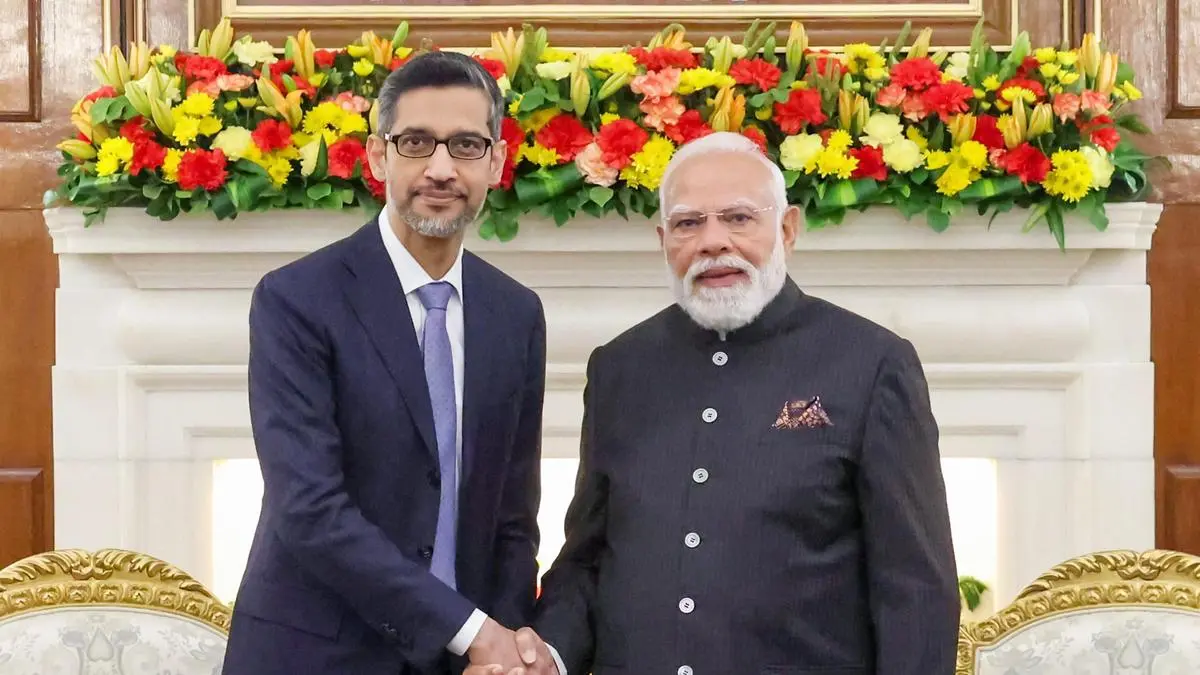
On Day 5 of the India AI Summit 2026, Google CEO Sundar Pichai stressed that deeper collaboration between the United States and India is essential to ensure artificial intelligence delivers widespread and inclusive benefits. Addressing policymakers, industry leaders, and researchers, Pichai described the bilateral relationship as a “cornerstone” in shaping the future of responsible and accessible AI.
He noted that both nations possess complementary strengths — with the U.S. leading in advanced AI research and foundational models, while India offers scale, engineering talent, and real-world deployment capabilities.
AI for Inclusive Growth and Public Good
Pichai highlighted that artificial intelligence has the potential to significantly transform key sectors such as healthcare, education, agriculture, and public services. However, he emphasized that the technology must be developed with inclusivity at its core.
He pointed to India’s digital public infrastructure, including large-scale digital identity and payment systems, as a strong foundation for deploying AI-driven solutions at scale. According to him, AI can help bridge gaps in access to quality healthcare and learning resources, especially in rural and underserved communities.
India’s Growing AI Ecosystem
The Google CEO praised India’s rapidly expanding AI developer base, startup ecosystem, and research community. He noted that India is emerging as one of the most important global hubs for AI innovation, driven by strong government support and increasing private-sector investment.
Pichai also underlined the importance of nurturing local talent, strengthening semiconductor supply chains, and building AI infrastructure that supports both startups and enterprises.
Responsible and Ethical AI Development
A key theme of his address was the need for responsible AI governance. Pichai called for shared frameworks between democratic nations to ensure AI systems are safe, transparent, and aligned with societal values.
He stressed that international cooperation is necessary to address concerns around misinformation, bias, cybersecurity, and workforce transformation. Collaborative policymaking, he said, will help build public trust in AI technologies.
Technology Diplomacy in a Changing World
The summit discussions reflected a broader push toward technology diplomacy, with AI positioned as a strategic pillar in U.S.-India relations. Leaders from both sides highlighted joint research initiatives, semiconductor partnerships, and cross-border innovation programs.
As Day 5 concluded, the overarching message was clear: sustained cooperation between India and the United States could play a decisive role in ensuring artificial intelligence benefits not just a few, but societies around the world.