 TECH TIMES NEWS
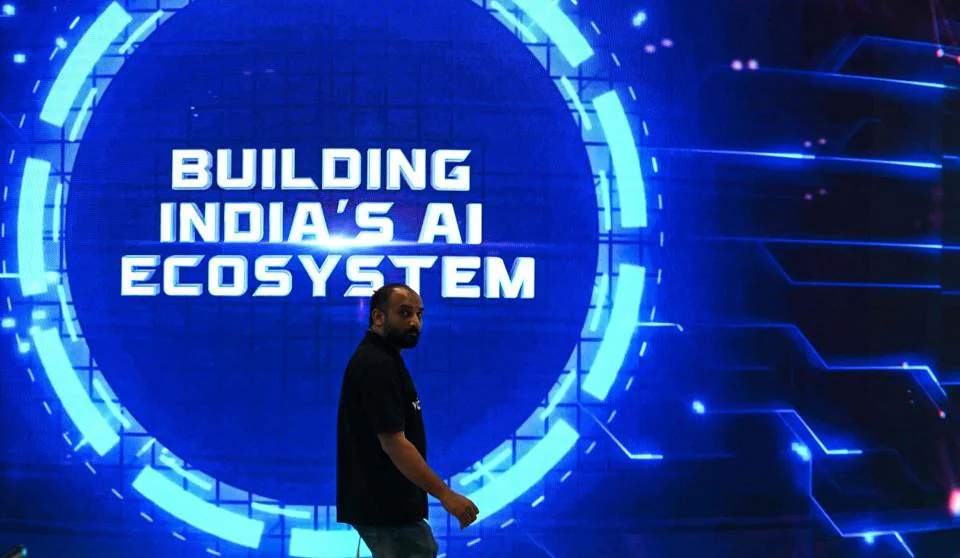
India is rapidly positioning itself as a global contender in artificial intelligence, fueled by strong political backing, a thriving startup ecosystem, and a vast digital user base. Policymakers and industry leaders alike have embraced AI as the next engine of economic growth, promising productivity gains, improved governance, and a leap into high-value innovation sectors.
From generative AI startups to AI-driven public service delivery systems, the country’s techno-optimism is unmistakable. Yet as the momentum builds, questions are emerging about whether the enthusiasm is matched by long-term strategy and structural readiness.
Government Push: Policy, Infrastructure, and Public AI
The government has rolled out a series of initiatives aimed at strengthening AI research and deployment. Public digital infrastructure — including Aadhaar, UPI, and digital health platforms — provides a unique foundation for AI-driven applications at scale. Officials have emphasized responsible AI frameworks, data governance policies, and domestic compute capacity to reduce dependence on foreign cloud and chip providers.
Recent investments in AI research hubs and supercomputing facilities aim to support indigenous large language models and sector-specific AI systems. The broader goal is not just adoption, but ownership — ensuring that India becomes a creator, not merely a consumer, of AI technologies.
Startups and Industry: A Growing Innovation Engine
India’s startup ecosystem has been quick to capitalize on AI’s rise. Companies are building tools for agriculture analytics, healthcare diagnostics, financial risk assessment, language translation, and enterprise automation. Venture capital funding in AI-focused firms has seen a steady uptick, despite global funding slowdowns in other tech sectors.
Major IT services firms are also integrating AI across their offerings, repositioning themselves from traditional outsourcing models to AI-led transformation partners. This pivot is critical as automation reshapes the global services market — an area where India has long held an advantage.
The Skills Challenge: Talent vs. Scale
Despite a strong base of software engineers, India faces a complex skills challenge. Advanced AI development requires expertise in machine learning research, chip design, data science, and computational infrastructure — areas where global competition is fierce.
While universities and private institutions are expanding AI-focused programs, the demand for high-end AI talent continues to outpace supply. Bridging this gap will require long-term investment in education reform, research funding, and global collaboration.
Data, Regulation, and Ethical Concerns
India’s massive and diverse population offers a rich data environment for AI training. However, concerns around privacy, bias, misinformation, and job displacement are intensifying. The regulatory approach aims to strike a balance between innovation and safeguards, but implementation remains a challenge.
Experts argue that transparent governance frameworks and clear accountability mechanisms will determine whether India can build trustworthy AI systems at scale. Without robust oversight, techno-optimism could face public backlash.
Economic Promise vs. Structural Realities
AI has the potential to boost India’s GDP significantly over the next decade, particularly in manufacturing, logistics, agriculture, and financial services. However, infrastructure gaps — including uneven internet access, energy reliability, and research funding constraints — could slow progress.
Moreover, as AI automates routine work, workforce reskilling becomes urgent. The country’s demographic dividend could either become a strategic advantage or a liability, depending on how effectively workers are transitioned into new roles.
Global Competition and Strategic Autonomy
India’s AI ambitions unfold amid intense global competition. The United States and China continue to dominate in AI research, chip manufacturing, and platform ecosystems. For India, strategic autonomy — including domestic semiconductor initiatives and sovereign AI models — is increasingly framed as a national priority.
Partnerships with global tech companies remain vital, but policymakers are keen to avoid overdependence that could limit long-term technological independence.
The Long Road Ahead
India’s embrace of AI reflects confidence in technology as a transformative force. The country’s digital public infrastructure, entrepreneurial energy, and policy momentum provide a strong starting point. Yet long-term success will hinge on sustained investment, ethical governance, skill development, and infrastructure modernization.
Techno-optimism alone will not guarantee results. The coming decade will test whether India can convert ambition into durable leadership — or whether structural constraints temper its AI aspirations.