 TECH TIMES NEWS
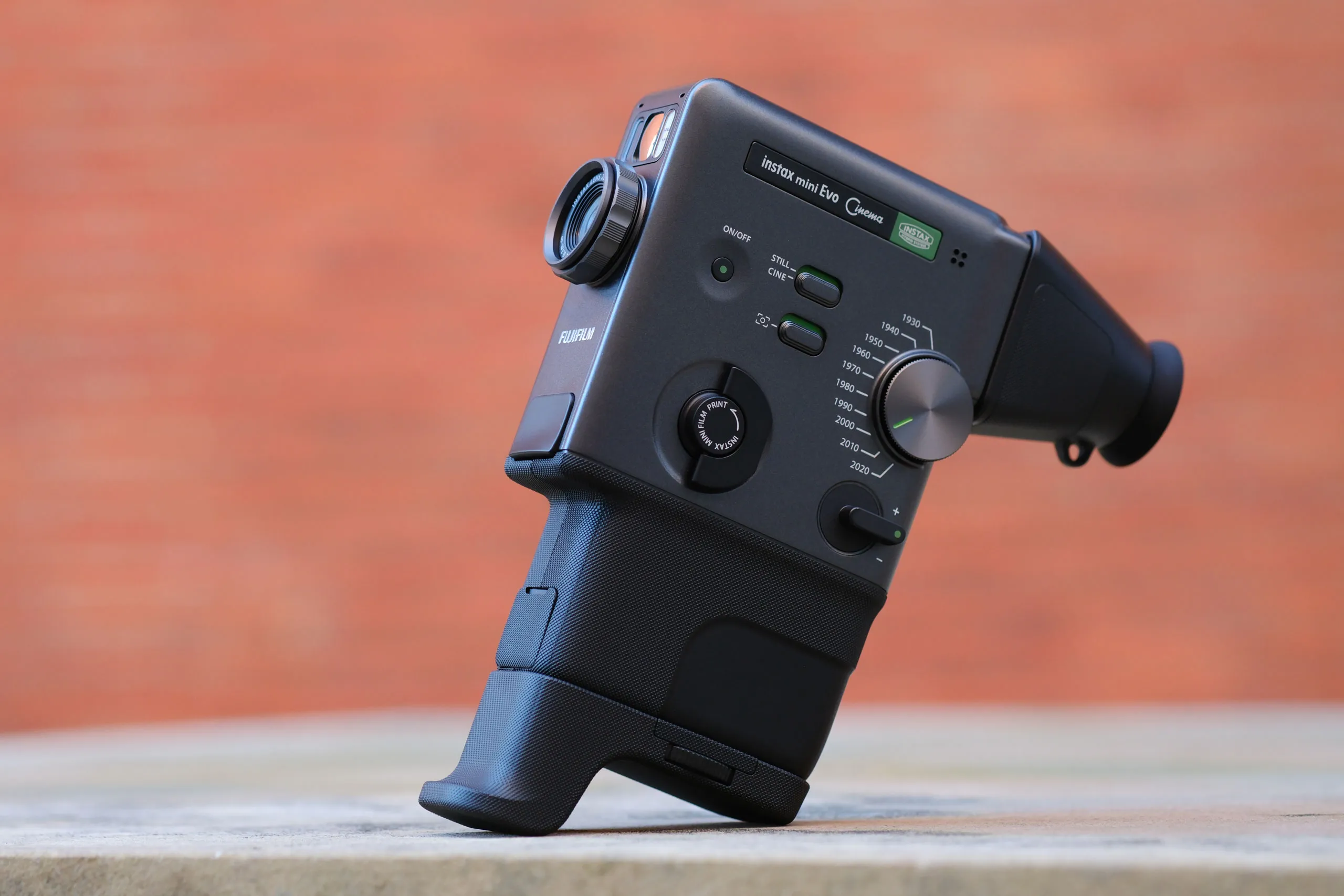
Fujifilm’s Instax Mini Evo Cinema has entered the spotlight as a visually refined version of its popular hybrid instant camera. Early reviews suggest the device leans heavily into aesthetics and user experience rather than delivering major hardware upgrades. Designed to appeal to photography enthusiasts who value style and nostalgia, the Cinema variant builds upon the foundation of the original Mini Evo while introducing subtle visual and thematic enhancements.
Minimal Changes Under the Hood
Despite its new branding, the Instax Mini Evo Cinema appears to offer largely the same core specifications as its predecessor. It retains the hybrid digital-instant functionality, allowing users to preview images before printing them onto Instax Mini film. The sensor, lens setup, and print resolution remain mostly unchanged, which has led some reviewers to question whether the update justifies a new release.
Design Takes Center Stage
Where the Mini Evo Cinema stands out is in its design philosophy. The camera features a more “cinematic” aesthetic, with refined textures, darker tones, and subtle visual cues inspired by film culture. This approach positions the device less as a technical upgrade and more as a lifestyle accessory—something that complements personal style while delivering a nostalgic shooting experience.
User Experience Still Shines
Even without significant hardware improvements, the Mini Evo Cinema maintains the strengths that made the original model popular. Users can experiment with various lens and film effects, combining them to create unique prints. The tactile controls and analog-inspired dials continue to provide an engaging shooting process, bridging the gap between modern digital convenience and classic instant photography.
Lifestyle Appeal Over Practical Value
Critics highlight that the new version may appeal most to existing fans or newcomers drawn to its design rather than those seeking enhanced performance. The camera’s value proposition lies in its emotional and aesthetic appeal—capturing moments in a tangible format while doubling as a fashion-forward gadget.
Market Position and Audience
Fujifilm appears to be targeting a niche audience that values creativity, nostalgia, and physical prints over technical innovation. The Instax Mini Evo Cinema fits neatly into the growing trend of lifestyle tech products, where form, branding, and user experience can outweigh raw specifications.
Conclusion: A Stylish Iteration, Not a Reinvention
The Instax Mini Evo Cinema reinforces Fujifilm’s strategy of evolving its instant camera lineup through design-led updates. While it may not offer groundbreaking improvements, it succeeds in enhancing the emotional and visual appeal of instant photography—making it a compelling choice for those who prioritize style and experience over specs.