 TECH TIMES NEWS
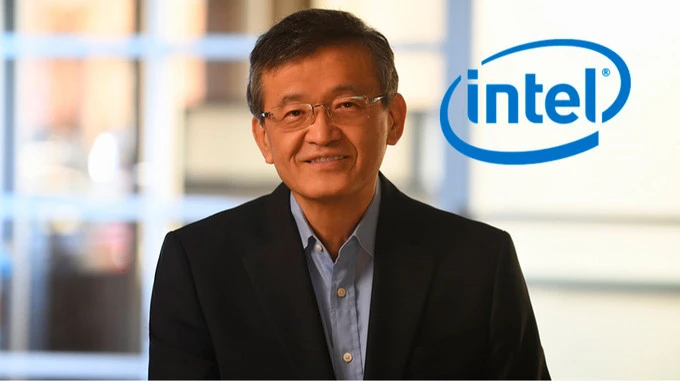
Intel’s newly appointed CEO is making bold moves to reshape the company’s future, focusing on revamping manufacturing processes and strengthening its artificial intelligence (AI) operations. The strategic overhaul aims to reclaim Intel’s leadership in semiconductor production while positioning the company at the forefront of AI-driven computing.
Manufacturing Overhaul to Regain Market Leadership
Intel has long been a dominant force in semiconductor manufacturing, but in recent years, it has faced stiff competition from rivals like TSMC and Samsung, which have surged ahead in advanced chip production. The new leadership is determined to close the gap by accelerating Intel’s transition to cutting-edge process nodes and optimizing its foundry services.
As part of the restructuring, Intel plans to streamline its supply chain, enhance fabrication efficiency, and integrate more automation within its facilities. The company has already committed significant investments toward upgrading existing fabs in the United States and Europe, ensuring that they can meet the growing demand for high-performance chips.
Intel’s CEO emphasized that this transformation will help the company not only improve production yields but also secure a stronger foothold in the foundry business, attracting major clients that currently rely on external manufacturers.
AI-Focused Strategy to Compete with Nvidia and AMD
AI is another critical area where Intel is seeking to make significant strides. The company has faced increasing competition from Nvidia and AMD, which have dominated the AI accelerator and GPU market. To counter this, Intel is doubling down on its AI hardware and software ecosystem, with plans to introduce next-generation processors optimized for machine learning and data center applications.
A key part of this initiative is the development of AI-specific accelerators and deep-learning chips that can rival Nvidia’s dominance in the field. Intel’s strategy also includes software enhancements to support AI workloads, ensuring better integration between hardware and AI-driven applications.
Additionally, the company is looking to strengthen partnerships with cloud providers and enterprise customers, providing tailor-made AI solutions to meet the growing demands of industries ranging from healthcare to autonomous vehicles.
Challenges and Industry Reactions
While Intel’s new direction has been met with optimism, analysts note that the company faces significant challenges in executing these ambitious plans. The semiconductor industry is highly competitive, and overcoming technical hurdles in manufacturing while simultaneously advancing AI innovation will require substantial investment and time.
Investors and industry leaders are closely watching Intel’s next steps, with many hopeful that the CEO’s strategic realignment will help the company regain its competitive edge.
As Intel moves forward with its transformation, the coming years will be crucial in determining whether these efforts can successfully reestablish its position as a semiconductor and AI powerhouse.