 TECH TIMES NEWS
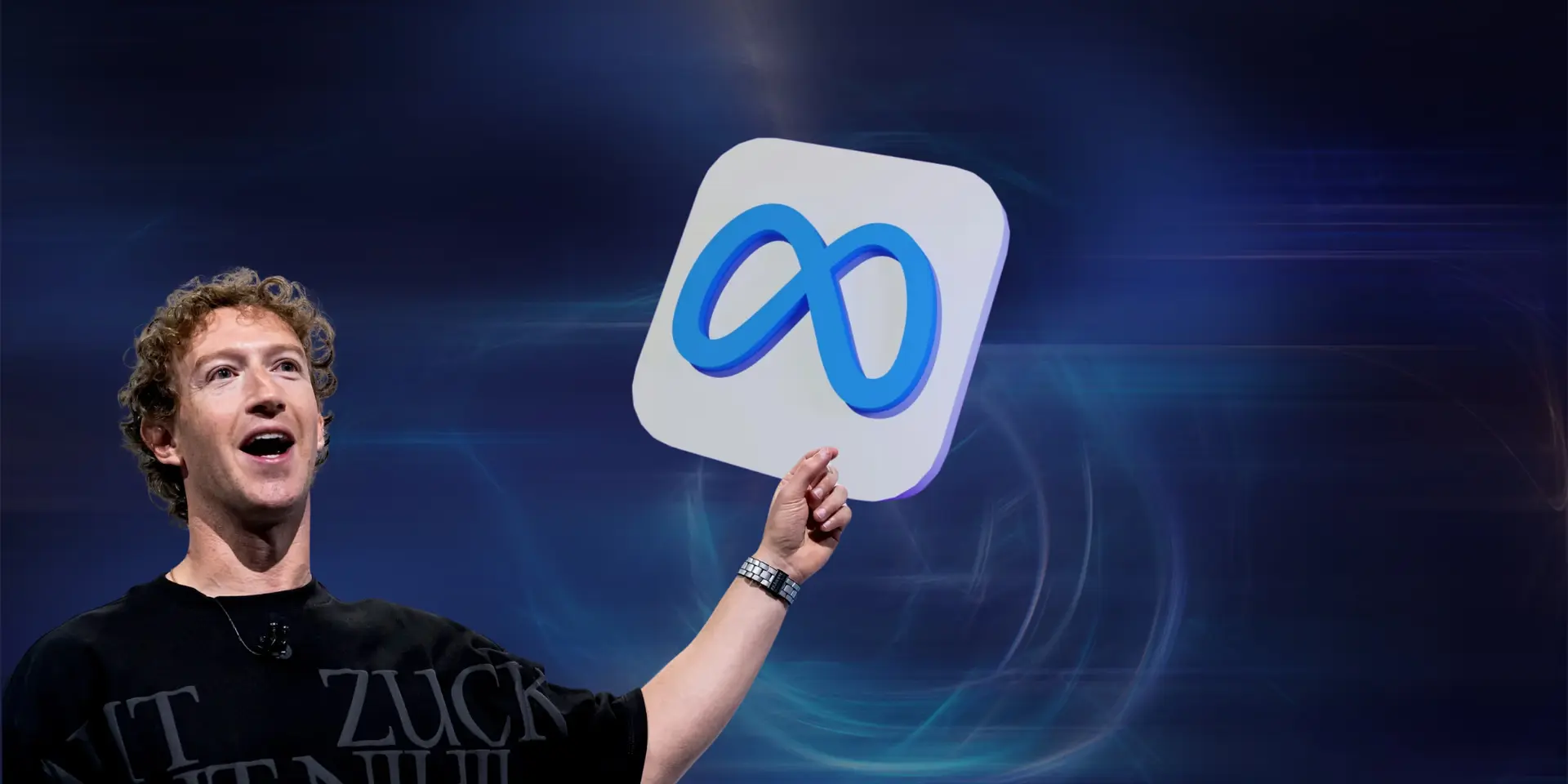
In a significant move to expand its footprint in the rapidly growing AI sector, Meta has officially launched a standalone AI assistant application during its annual developer event, Meta Connect 2025. The event drew attention not just for the product launch but also for a headline-grabbing conversation between Meta CEO Mark Zuckerberg and Microsoft CEO Satya Nadella, signaling deeper cooperation — or perhaps friendly rivalry — between two of tech’s most influential leaders.
Meta’s AI App: An All-in-One Digital Assistant
Meta’s new AI assistant, simply called “Meta AI,” is designed to be a multi-functional tool capable of handling everyday tasks, creative content generation, and productivity support. The app integrates deeply with Meta’s ecosystem, including Facebook, Instagram, and WhatsApp, while also offering standalone functionality for broader use across devices.
Zuckerberg described Meta AI as “a conversational, creative, and context-aware assistant” built using LLaMA 3, Meta’s latest large language model. It supports text, voice, and image-based interactions and includes real-time reasoning capabilities. Early demonstrations showed the assistant summarizing emails, drafting social media posts, planning travel itineraries, and even generating visuals based on user prompts.
“Our vision is to build AI that’s helpful, personalized, and always available — wherever you are,” said Zuckerberg during the keynote. “This is not just a chatbot. It’s a next-generation assistant that understands your world.”
Fireside Chat with Satya Nadella: Cooperation, Competition, and the Future of AI
One of the most anticipated moments of the event was a live fireside chat between Mark Zuckerberg and Microsoft CEO Satya Nadella. The two tech titans discussed a range of topics, including the responsible development of AI, open-source innovation, and the changing role of developers in an AI-first world.
“There’s a huge opportunity in building AI that enhances creativity and productivity,” Nadella remarked. He emphasized Microsoft’s ongoing commitment to open AI research and highlighted the importance of cross-platform interoperability. “We don’t see AI as a siloed product. It has to be woven into the fabric of everyday computing.”
Zuckerberg echoed the sentiment, noting that both companies share a commitment to openness and developer empowerment. “Developers are going to be the architects of the AI future,” he said. While no formal partnership announcements were made, their conversation hinted at increased alignment around open-source standards and possibly future integrations.
Developers Take Center Stage
The event also saw the unveiling of new tools and APIs for developers to build their own AI-powered applications using Meta’s LLaMA models. Meta is making the model weights available to researchers and select partners, continuing its trend of promoting openness in contrast to some competitors’ closed-source approaches.
Additionally, the company introduced updates to its metaverse platform Horizon, integrating AI-driven world-building tools and NPCs (non-playable characters) that can interact naturally with users.
The Bigger Picture
Meta’s AI app launch comes at a time when tech giants are racing to dominate the next era of computing, where AI assistants could become as central to daily life as smartphones once did. With Apple rumored to launch its own AI features this summer and Google expanding Gemini’s capabilities, the competition is intensifying.
Still, Meta’s move signals a strong intent not just to compete, but to lead — and its open model approach may resonate with developers seeking more flexibility and transparency.
The AI arms race is far from over, but with Zuckerberg and Nadella engaging in open dialogue and mutual respect, it’s clear that collaboration — not just competition — will shape the future of artificial intelligence.