 TECH TIMES NEWS
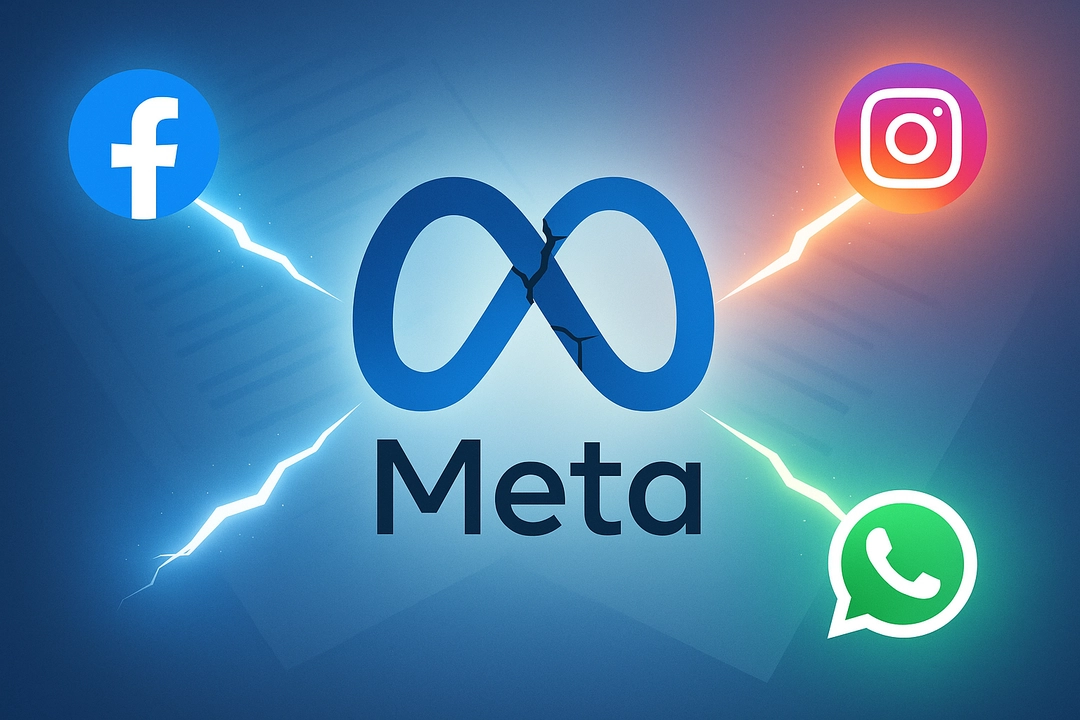
Meta Platforms Inc., the parent company of Facebook, Instagram, and WhatsApp, is facing one of the most significant antitrust challenges in recent tech history. U.S. regulators, particularly the Federal Trade Commission (FTC), have ramped up legal efforts to scrutinize the company’s allegedly anti-competitive behavior, with a focus on how Meta has built and maintained its dominance in the social media landscape.
The Core of the Case
At the heart of the antitrust battle is the accusation that Meta has systematically acquired rivals and stifled competition in order to protect its market monopoly, particularly in the realm of personal social networking. The FTC argues that Meta’s acquisitions of Instagram in 2012 and WhatsApp in 2014 were not just strategic business moves but part of a broader pattern of eliminating potential threats before they could mature into serious competitors.
The case is rooted in U.S. antitrust law, particularly the Sherman Act, which prohibits monopolistic practices, and the Clayton Act, which restricts anti-competitive mergers and acquisitions. The FTC’s lawsuit, refiled in August 2021 after an initial dismissal, alleges that Meta used its deep financial resources to neutralize competition in ways that ultimately harmed innovation and consumer choice.
Meta's Response
Meta has vigorously defended itself, claiming that its acquisitions were cleared by regulators at the time and that its platforms compete in a broad, dynamic ecosystem that includes TikTok, Snapchat, YouTube, and others. The company argues that users have more choices than ever before, and its innovations — including advances in messaging, photo sharing, and now virtual and augmented reality — reflect a competitive environment rather than one dominated by a single player.
Meta has also questioned the FTC’s attempt to unwind years-old mergers that were previously approved, claiming it sets a dangerous precedent for business certainty and investment.
Why Now?
The timing of the renewed case reflects growing political and public pressure to rein in Big Tech. Lawmakers across party lines have expressed concern over the unchecked power of tech giants, accusing them of monopolizing data, curbing competition, and influencing public discourse. The Meta case is seen as a litmus test for how aggressively U.S. regulators can push back against dominant players in Silicon Valley.
The FTC, under Chair Lina Khan — a well-known critic of Big Tech — has taken a more aggressive stance, seeking not just fines or behavioral changes but structural remedies. One possible outcome, though still uncertain, could be the forced divestiture of Instagram and WhatsApp — a dramatic and unprecedented move.
Broader Implications
The outcome of the Meta case could have sweeping implications for the entire tech industry. If the FTC succeeds, it might embolden regulators to take similar actions against other giants like Amazon, Google, and Apple. It may also reshape how tech companies approach mergers and product integration moving forward.
At the same time, the case has sparked debate about the effectiveness of current antitrust laws in the digital age. Critics argue that laws written in the early 20th century are ill-equipped to handle the nuances of data-driven economies and digital platforms where user engagement, not prices, are often the currency.
What's Next?
The case is still winding its way through federal courts, with Meta pushing for dismissal and regulators pressing ahead with discovery and hearings. A final ruling could still be months — or even years — away. Meanwhile, the spotlight remains firmly on Meta, as the tech giant continues to expand its reach into virtual reality and AI under its “metaverse” vision.
Whether the courts ultimately side with the government or Meta, the case signals a turning point in how America regulates its most powerful tech companies.