 TECH TIMES NEWS
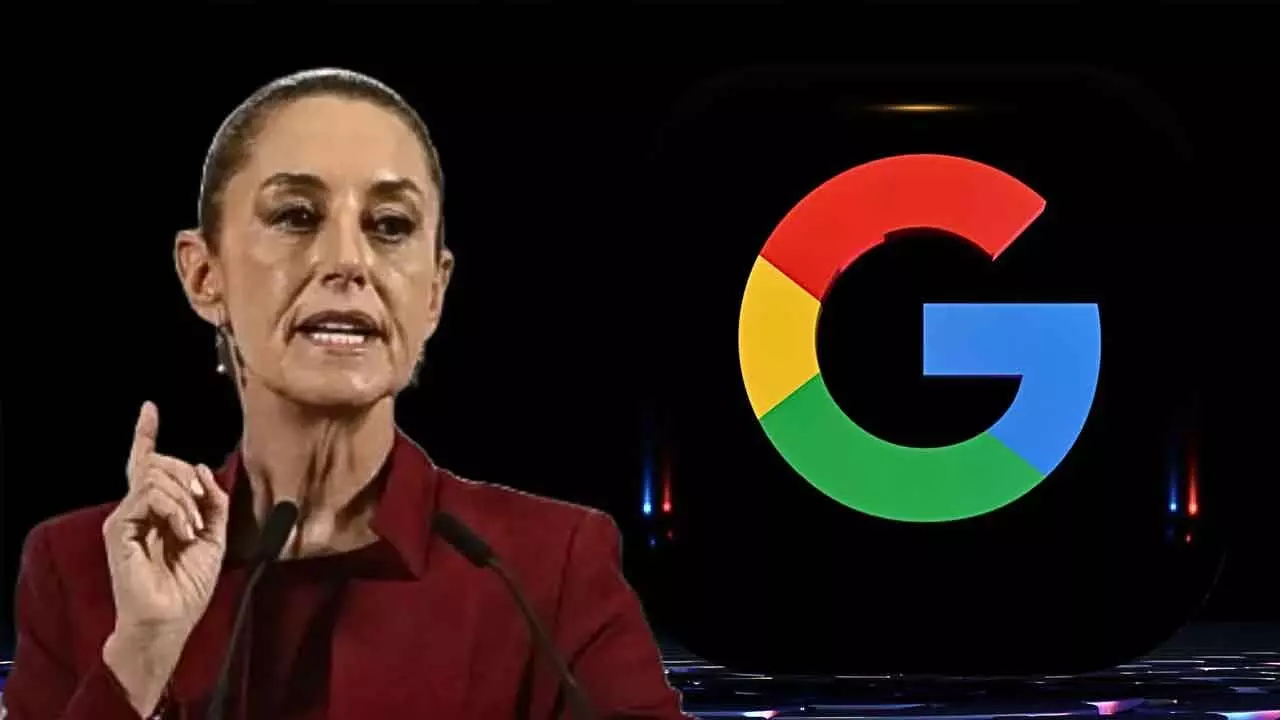
In a move that has sparked international attention and renewed debates about digital cartography and geopolitical sensitivities, the government of Mexico has lodged a formal protest against Google after its popular mapping platform temporarily labeled the Gulf of Mexico as the "Gulf of America."
Officials in Mexico's Ministry of Foreign Affairs confirmed on Monday that a legal complaint and diplomatic note were submitted to Google’s regional headquarters in Latin America, as well as to its corporate office in California. The complaint accuses the tech giant of “misrepresentation of geographic and cultural heritage” and calls the error “a serious affront to national sovereignty.”
Label Change Sparks Backlash
The controversy erupted over the weekend when several users on social media began posting screenshots from Google Maps that showed the body of water between Mexico and the southeastern United States renamed as the "Gulf of America." The post quickly went viral, trending on X (formerly Twitter) under the hashtag #NoEsElGolfoDeAmerica (#ItIsNotTheGulfOfAmerica).
By Sunday evening, Mexican officials issued a public statement condemning the labeling, calling it an “egregious distortion of historical and geographic fact.”
“The Gulf of Mexico is not only a name; it is a symbol of our national identity, of our history, and of centuries of maritime tradition,” said Foreign Minister Gabriela Ibarra in a televised address. “To alter its name is to erase the contribution of the Mexican people to regional and global maritime culture.”
Google Responds
In response to the uproar, a Google spokesperson acknowledged the labeling issue and described it as a technical glitch introduced during a recent database update that aimed to synchronize language settings across different map regions.
“We sincerely apologize for the error and have already corrected the label on all platforms,” the spokesperson said. “Google Maps relies on a mix of third-party data, government sources, and community feedback to reflect accurate geographic information. We take user reports seriously and strive to fix inaccuracies as quickly as possible.”
Despite the prompt correction, Mexican officials have demanded greater transparency and assurances that such incidents will not happen again. The country’s National Institute of Geography and Statistics (INEGI) has offered to collaborate with Google to ensure naming conventions adhere to internationally recognized standards.
Legal and Diplomatic Ramifications
While no formal lawsuit has yet been filed in court, Mexico’s legal team is reportedly exploring options under international trademark law, regional trade agreements, and the UN Convention on the Law of the Sea (UNCLOS) to hold Google accountable.
Legal experts say that while a successful suit is unlikely, the move could set a precedent for digital cartography governance.
“This case is less about monetary damages and more about national dignity,” said Dr. Lucía Mendoza, a professor of international law at UNAM. “It highlights the growing power of tech companies in shaping public perception — even when it comes to national borders and place names.”
Regional Reaction
Several other Latin American countries have expressed solidarity with Mexico, with Brazil and Cuba issuing statements urging tech companies to exercise more care in how they represent geography. Meanwhile, the Organization of American States (OAS) has offered to mediate a dialogue between Mexico and Google to improve data accuracy protocols.
As of Monday afternoon, Google Maps had restored the correct name, “Gulf of Mexico,” on all regional and global map views.