 TECH TIMES NEWS
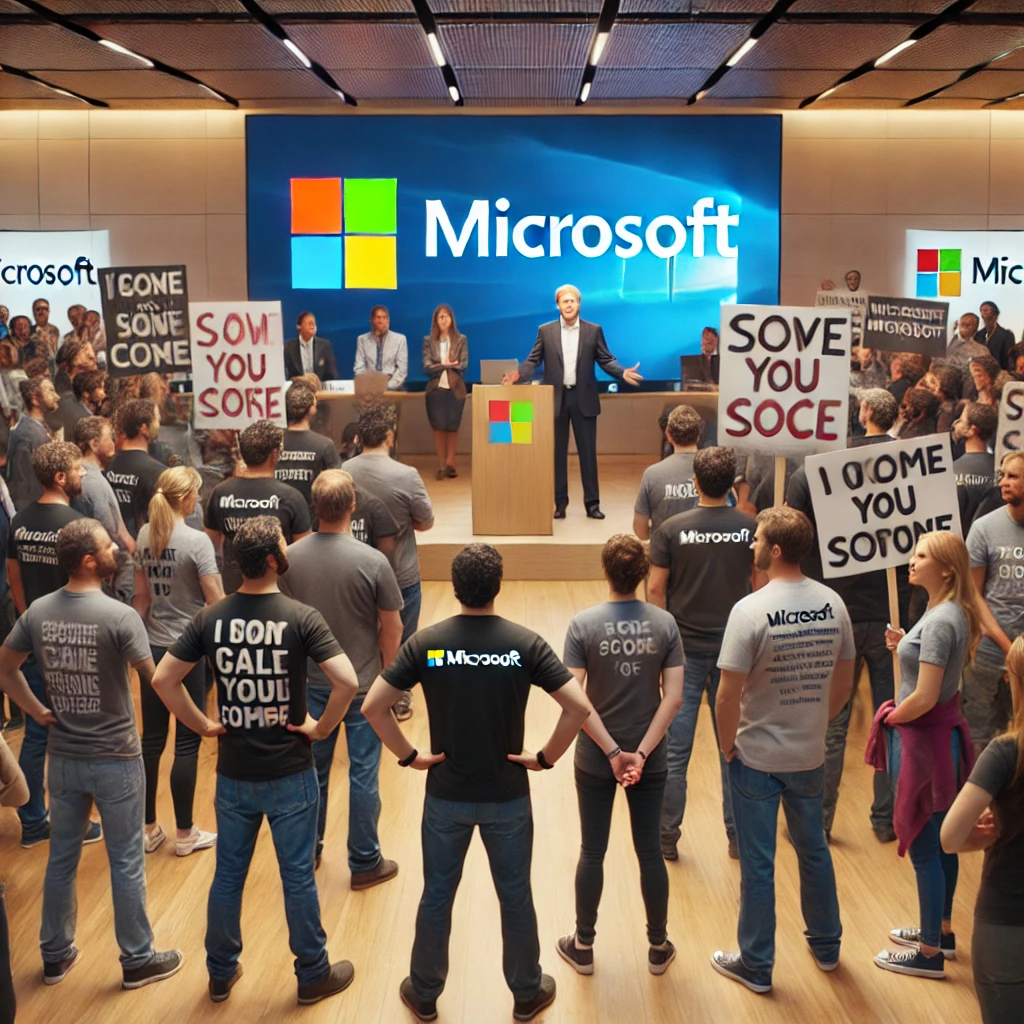
A group of Microsoft employees staged a protest during a company town hall meeting, opposing the tech giant’s involvement in providing artificial intelligence (AI) and cloud services to the Israeli military. The demonstration comes amid growing concerns over the use of AI in warfare and its potential consequences for civilians.
Protest During CEO’s Address
During a recent internal meeting at Microsoft’s headquarters in Redmond, five employees interrupted CEO Satya Nadella’s speech by unveiling T-shirts that collectively spelled out the message: "Does Our Code Kill Kids, Satya?" The silent protest was an attempt to question the ethical implications of Microsoft's technology being used in military operations.
The demonstration follows an investigative report that revealed the Israeli military has been utilizing AI-based targeting systems, which some fear could increase civilian casualties. Microsoft’s Azure cloud services and AI models were reportedly integrated into these systems, leading to backlash from employees who believe the company should not be involved in armed conflicts.
Microsoft’s Response and Employee Concerns
Microsoft has acknowledged employee concerns but emphasized that it has policies in place to address ethical considerations in AI development. The company has stated that while it encourages open dialogue, it expects employees to follow internal communication channels rather than disrupt business operations.
This protest is part of a broader movement within the company, with a group of employees forming a collective called "No Azure for Apartheid." The group has previously called for Microsoft to terminate contracts that involve the use of AI in military activities. In October 2024, Microsoft dismissed two employees who organized a vigil at its headquarters to honor Palestinians killed in Gaza, highlighting growing internal tensions over the company’s role in geopolitical issues.
Ethical and Legal Implications of AI in Warfare
The debate over the role of AI in military operations has intensified globally, with concerns that automation could reduce human oversight in life-and-death decisions. The Israeli military has reportedly increased its reliance on AI-driven targeting systems following escalations in the region, raising fears of unintended civilian casualties.
Experts have warned that commercial AI models, initially designed for business applications, may have significant consequences when adapted for warfare. Human rights organizations have called for greater transparency and regulation to ensure AI is used responsibly.
Growing Employee Activism in Big Tech
The protest at Microsoft reflects a larger trend of employee activism within major tech companies. Workers at Google, Amazon, and other firms have also expressed opposition to contracts that involve military or surveillance applications of AI. In previous years, employee movements successfully led to Google ending its involvement in Project Maven, a Pentagon AI initiative.
As Microsoft continues expanding its AI capabilities, it faces increasing pressure from employees, advocacy groups, and the public to ensure that its technology is not used in ways that could violate ethical standards or contribute to conflict-related harm.
Conclusion
The recent protest underscores the growing divide between corporate policies and employee values regarding the ethical use of AI. With global scrutiny over AI’s role in warfare increasing, Microsoft’s leadership may need to address employee concerns more directly to prevent further unrest within the company.
For now, the debate over the responsibility of tech giants in military applications remains a critical issue that extends far beyond Microsoft, shaping the future of AI ethics and corporate accountability in the digital age.