 TECH TIMES NEWS
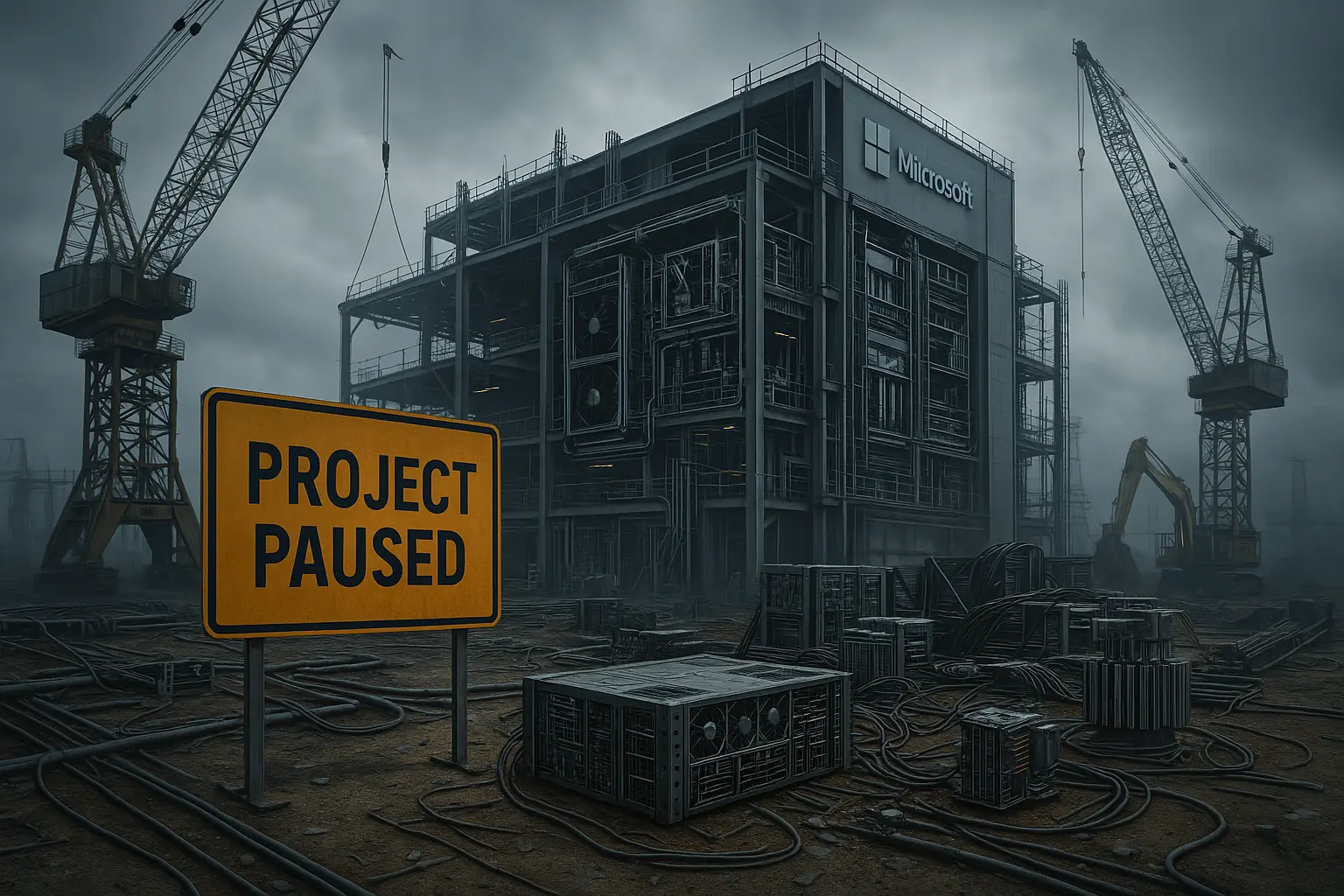
In a surprising move that reflects shifting priorities within the tech industry, Microsoft has announced it will be slowing or pausing several of its artificial intelligence-focused data center developments, including a highly anticipated $1 billion facility in Ohio.
The tech giant, which has been aggressively expanding its infrastructure to support the booming demand for AI services, cited a need to reassess project timelines, energy capacity concerns, and broader strategic alignment as key reasons for the decision.
Strategic Reevaluation Amid AI Growth Surge
Microsoft’s rapid investment in AI infrastructure has been a cornerstone of its growth strategy, especially following its high-profile partnership with OpenAI. The company has invested billions in building massive data centers designed to power generative AI applications, cloud services, and advanced machine learning models.
However, in a statement released this week, Microsoft acknowledged it is “slowing or pausing select data center projects,” including the proposed $1 billion investment in Mount Vernon, Ohio. This facility was expected to play a central role in expanding the company's AI compute capabilities across the U.S. Midwest.
“We remain committed to our long-term data center plans, but we are carefully reviewing the pace of development to ensure we meet community expectations, regulatory standards, and energy requirements,” a Microsoft spokesperson said.
Energy and Environmental Constraints
Industry analysts suggest that the decision is partly driven by the sheer amount of energy modern AI infrastructure consumes. Advanced AI workloads—especially those used in training large language models—require substantial electrical and cooling capacity, placing a strain on local power grids and raising environmental concerns.
The Ohio facility was reportedly facing scrutiny from both local officials and environmental advocacy groups, who raised questions about its potential impact on water usage and the regional power supply. Microsoft has faced similar challenges in other locations, prompting a more cautious and phased approach to expansion.
Local Impact and Community Response
In Mount Vernon, where anticipation for the economic boost tied to the data center was high, the announcement has stirred concern. Local leaders expressed disappointment but remained hopeful.
“This is a setback, no doubt, but we’ve been assured by Microsoft that this is a pause—not a cancellation,” said Rob Metcalf, a city council member in Mount Vernon. “We are still in regular dialogue with their team and expect to revisit timelines in the near future.”
Microsoft has emphasized that job creation, community partnerships, and sustainable development remain central to its long-term vision for Ohio and other regions.
Industry Trend or Isolated Adjustment?
While Microsoft’s move has drawn attention, it may not signal a widespread slowdown in the AI race. Other tech firms, including Google, Amazon, and Meta, continue to push forward with their own AI infrastructure plans.
Still, experts view Microsoft’s decision as a sign of a more measured, potentially more sustainable approach to expansion. “There’s a balance that must be struck between scaling AI and maintaining energy and environmental responsibility,” said Lisa Chao, a senior analyst at TechInsights. “Microsoft is making a strategic pivot, not a retreat.”
As AI demand continues to surge globally, the pressure is on for cloud providers to scale quickly—yet responsibly. Microsoft’s pause may be temporary, but it highlights the growing complexities of building the physical backbone of artificial intelligence at a global scale.