 TECH TIMES NEWS
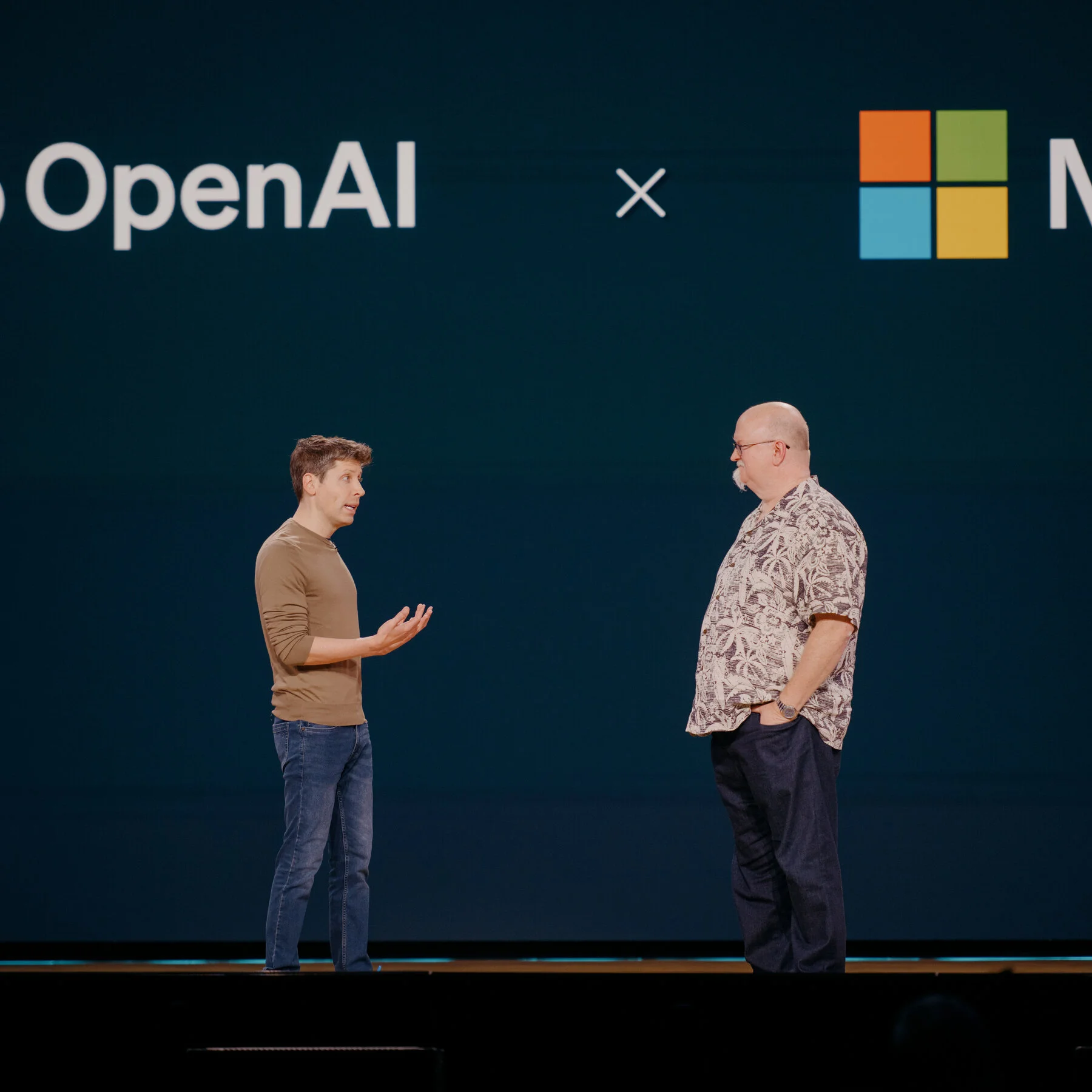
Microsoft and OpenAI have been at the center of the generative AI explosion since 2023, when Microsoft deepened its multi-billion-dollar investment in the startup and integrated its models across products like Bing, Windows, and Microsoft 365 Copilot. The partnership was widely seen as a blueprint for how Big Tech and AI labs could scale innovation together—combining OpenAI’s cutting-edge models with Microsoft’s cloud infrastructure and enterprise reach.
However, by 2026, that tightly knit alliance is beginning to show signs of strategic recalibration.
Subtle Shifts Signal a Larger Strategic Intent
Recent developments suggest that both companies are gradually loosening their dependence on each other. Microsoft has been investing aggressively in its own AI capabilities, including building proprietary models and strengthening its internal research teams to reduce reliance on OpenAI over time.
On the other side, OpenAI is expanding its commercial footprint beyond Microsoft’s ecosystem. The company has been pursuing enterprise clients more directly and exploring partnerships that diversify its infrastructure and distribution channels.
This doesn’t signal a breakup—but it does indicate a transition from exclusive alignment to a more flexible, and potentially competitive, relationship.
Product Overlap Is Fueling Competition
One of the clearest drivers of this shift is growing product overlap. Microsoft’s Copilot suite and OpenAI’s ChatGPT Enterprise increasingly target the same customers—businesses looking to integrate AI into workflows.
While both offerings are powered by similar underlying technologies, they are being packaged, priced, and positioned differently. This creates a natural tension: collaboration at the infrastructure level, competition at the application layer.
In practical terms, the same AI capabilities are now being used to compete for the same enterprise budgets.
Cloud and Infrastructure: The Real Battleground
Microsoft Azure has been a critical backbone for OpenAI, providing the compute power needed to train and run large language models. In return, Azure gained exclusivity advantages, attracting developers and enterprises eager to access OpenAI’s models.
But OpenAI’s long-term ambitions may require more flexibility. As demand for AI compute grows—and costs rise—the company has incentives to explore alternative infrastructure strategies, including multi-cloud or custom hardware approaches.
For Microsoft, this creates urgency to ensure that Azure remains indispensable, not just optional.
Financial Stakes and Strategic Independence
Microsoft has reportedly invested over $10 billion into OpenAI, structuring the deal to include profit-sharing mechanisms and preferential access to technology. While this aligns incentives in the short term, it also complicates the relationship as OpenAI scales into a major commercial entity.
OpenAI’s push for greater independence is partly driven by the need to control its own roadmap, pricing, and partnerships—especially as it competes with other AI providers like Google DeepMind, Anthropic, and Meta.
The result is a delicate balancing act: maintaining investor alignment while expanding strategic autonomy.
Industry-Wide Implications
The evolving Microsoft–OpenAI dynamic reflects a broader trend in the AI industry: partnerships are becoming more fluid and less exclusive. As the market matures, companies are prioritizing optionality over dependence.
For enterprises, this could mean:
- More choices in AI vendors and platforms
- Increased competition leading to better pricing and features
- Potential fragmentation in AI ecosystems
For developers and users, the shift may translate into faster innovation—but also greater complexity in choosing tools and platforms.
Expert Insight: Collaboration vs Competition
Industry analysts view this shift not as a breakdown, but as a natural progression. Early-stage AI required tight collaboration to scale quickly. Now, as the market expands, differentiation and competition are inevitable.
Microsoft’s strength lies in distribution and enterprise integration, while OpenAI’s edge remains in frontier model development. The overlap creates friction—but also drives both players to innovate faster.
What to Watch Next
Several key signals will define the future of this relationship:
- Whether OpenAI diversifies beyond Azure at scale
- Microsoft’s progress in developing competitive in-house AI models
- Pricing and feature competition between Copilot and ChatGPT offerings
- Regulatory pressures shaping AI partnerships and market dominance
Conclusion: A Strategic Reset, Not a Split
Microsoft and OpenAI are not parting ways—but they are redefining how they work together. The shift from deep dependency to strategic flexibility reflects the realities of a rapidly evolving AI market.
What started as a landmark partnership is now entering a more complex phase—one where collaboration and competition coexist. For the broader tech industry, this evolution underscores a simple truth: in the race for AI dominance, even the closest allies can become rivals.