 TECH TIMES NEWS
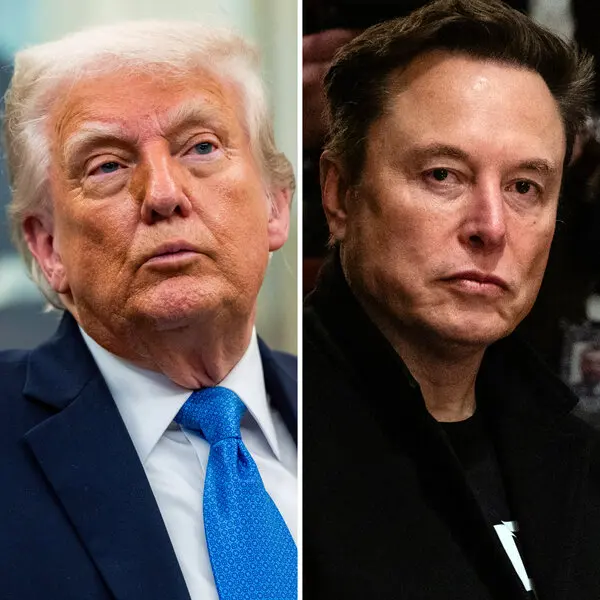
The rapidly escalating feud between President Donald Trump and tech billionaire Elon Musk is no longer confined to fiery social media posts—it now poses real-world implications for the future of two of America’s most high-profile companies: Tesla and SpaceX.
The public spat, which intensified this week after Musk made sensational claims linking Trump to the unreleased Jeffrey Epstein files, has sparked concerns in Washington and on Wall Street about potential political retaliation, especially in the form of regulatory scrutiny or the disruption of federal contracts.
From Allies to Adversaries
Once loosely aligned on economic nationalism and space exploration, Musk and Trump’s relationship has deteriorated sharply in recent months. The breaking point came when Musk criticized Trump’s flagship legislative proposal, dubbed the “One Big Beautiful Bill,” which significantly reduced subsidies for clean energy initiatives—including those that benefit Tesla.
Calling the bill “a direct assault on innovation and energy independence,” Musk didn’t hold back. Trump, in turn, responded with thinly veiled threats, hinting that companies dependent on government support should “rethink their positions,” a comment widely interpreted as targeting Tesla and SpaceX.
Federal Contracts in the Crosshairs
Tesla, Musk’s electric vehicle powerhouse, has received billions in subsidies and tax incentives over the past decade. SpaceX, meanwhile, is deeply entrenched in government work. It holds multibillion-dollar contracts with NASA and the Department of Defense, including missions critical to U.S. space exploration and satellite infrastructure.
“Any disruption in these relationships could have a ripple effect across national programs,” said Dr. Karen Blakely, a government procurement expert at Georgetown University. “This isn’t just about personalities—it’s about the future of space dominance and clean energy policy.”
Though no formal investigations have been announced, insiders suggest regulatory bodies are “re-examining” ongoing government contracts. The National Transportation Safety Board and the Securities and Exchange Commission—agencies that have previously scrutinized Tesla—could resume or intensify reviews, especially if political pressure is applied.
Markets React to Tensions
The feud has already impacted the markets. Tesla’s shares saw a significant dip this week, falling over 12% in two days. Investors cited fears over the potential loss of federal incentives and the instability of executive-government relations. Similarly, shares of Trump Media & Technology Group also fell amid fears that Musk might retaliate using his influence over digital platforms and investor sentiment.
“This kind of political warfare is new, even in this climate,” said Alicia Powers, a Wall Street analyst. “You’ve got two powerful figures, each with enormous sway over markets and public opinion. The stakes are unusually high.”
A Broader Political Message
The clash also has symbolic weight. Musk has emerged as a kind of anti-establishment technocrat, often at odds with both Democratic and Republican orthodoxy. Trump, meanwhile, is campaigning heavily on his image as a fighter against elites and federal waste—targets Musk’s enterprises increasingly represent.
Some conservative allies of Trump have begun questioning the scale of federal support received by Musk’s businesses. Former Trump strategist Steve Bannon recently called for a full audit of federal funds awarded to SpaceX and Tesla, suggesting Musk’s influence has gone “unchecked for too long.”
On the other side, Musk’s defenders argue that the feud represents a dangerous trend: using political office to pressure or punish private citizens and businesses for dissent.
Possibility of De-Escalation
Despite the hostile rhetoric, behind-the-scenes efforts are reportedly underway to cool tensions. According to sources close to the administration, intermediaries are arranging a private call between Musk and Trump to “clarify misunderstandings” and prevent further fallout.
But analysts warn that even if the two reach a temporary truce, the damage may already be done. The mere perception of political interference in corporate affairs can have long-term effects on investor confidence and public trust.
Conclusion
What began as a political disagreement over subsidies and spending has evolved into a high-stakes battle with national and economic implications. Whether the Musk-Trump feud ends in reconciliation or further escalation, the episode highlights the growing entanglement between private innovation and public power in 21st-century America.
As this drama unfolds, businesses, regulators, and voters alike are watching to see not only who blinks first—but what it means for the future of U.S. industry and governance.