 TECH TIMES NEWS
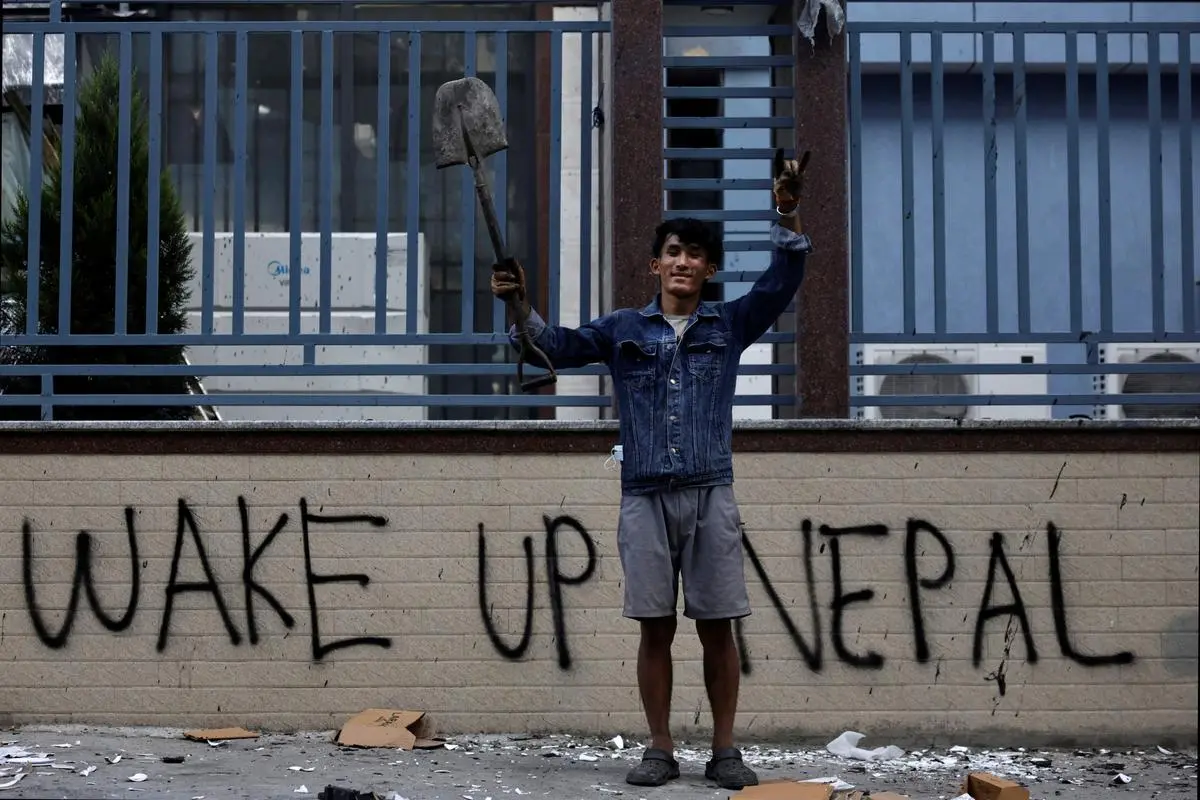
Nepal’s ongoing wave of protests has found its backbone in technology, as young demonstrators increasingly rely on apps like Discord, Telegram, and Bitchat to coordinate and communicate. Traditional methods of activism are being replaced by encrypted chats, decentralized messaging, and online forums, giving protesters new tools to bypass state scrutiny.
Encrypted Messaging Becomes a Protest Lifeline
Protest organizers have embraced secure platforms such as Bitchat and Signal, citing concerns about surveillance. These services offer encryption and anonymity, reducing the risk of government interception. Activists note that while Facebook and Twitter remain influential for visibility, sensitive planning is done away from mainstream social media.
Discord Emerges as a Digital Meeting Ground
Initially a hub for gamers, Discord has transformed into a virtual protest space where Nepali youths form dedicated servers to plan marches, share real-time updates, and host voice discussions. With its mix of chatrooms, moderation tools, and community features, Discord has become central to mobilization efforts.
Internet Blackouts and Workarounds
As the government experiments with internet restrictions and temporary shutdowns, protesters have sought alternatives such as VPNs, peer-to-peer messaging, and mesh networks. This cat-and-mouse game highlights the growing importance of decentralized technologies in political resistance across South Asia.
Global Attention on Nepal’s Digital Uprising
Observers say Nepal’s protests reflect a global trend: technology empowering grassroots movements even under restrictive conditions. The country’s youth-driven activism is not only shaping political discourse at home but also drawing international concern over digital freedoms and human rights.