 TECH TIMES NEWS
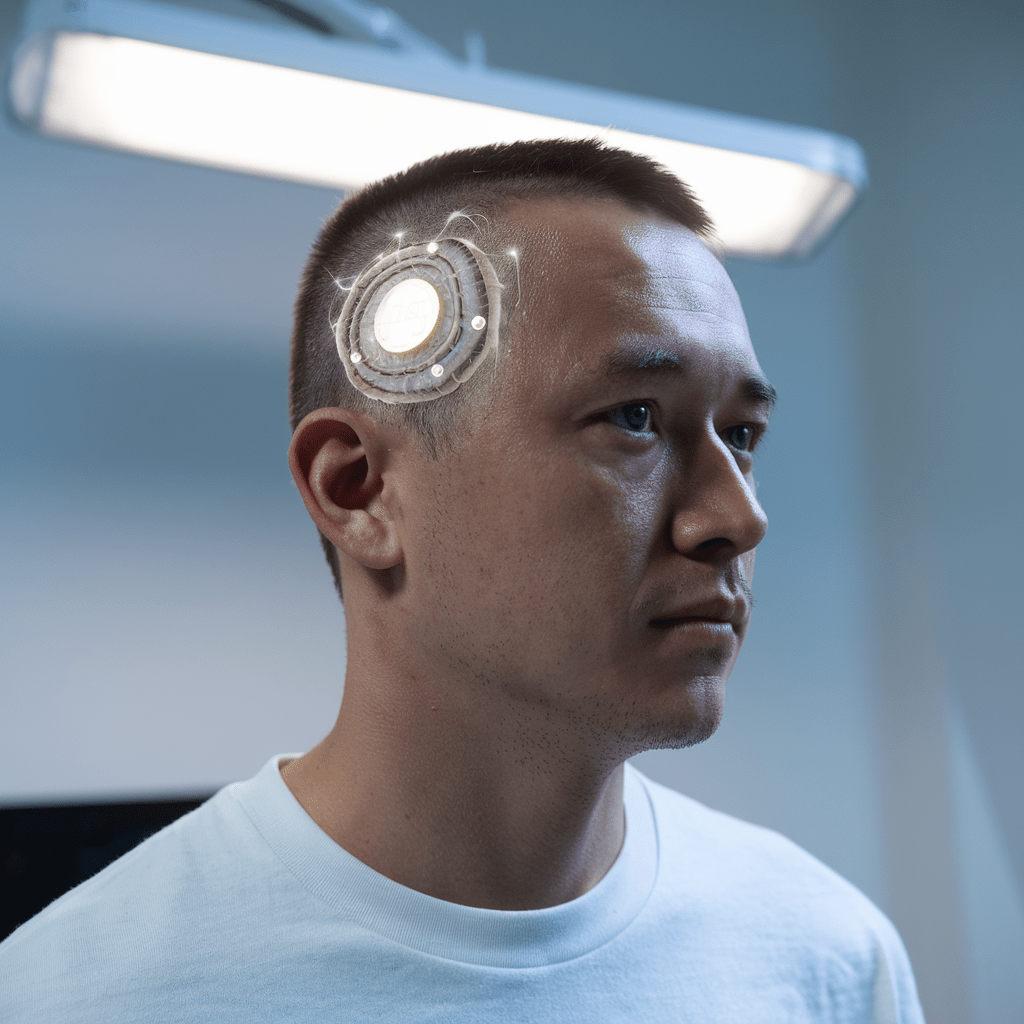
Image Source : AI generated imaginary image
USA: Elon Musk’s Neuralink project continues to capture global attention as it advances toward revolutionizing the intersection of neuroscience and technology. Founded in 2016, Neuralink aims to develop high-bandwidth brain-computer interfaces (BCIs) that could one day merge human cognition with artificial intelligence, offering groundbreaking applications in medicine and beyond.
In 2024, Neuralink reached a significant milestone with the U.S. Food and Drug Administration (FDA) granting approval for its first human trials. This achievement marked a critical step in Neuralink's journey from ambitious concept to practical reality. The trials will focus on helping individuals with severe neurological conditions, such as paralysis, by enabling them to control external devices with their thoughts.
The company’s technology involves the implantation of ultra-thin, flexible electrodes directly into the brain, connected to a wireless device that communicates with computers. These “threads” are designed to interface with neurons, allowing for the decoding of brain activity into actionable commands. The surgical implantation, performed by a robot developed by Neuralink, is intended to be minimally invasive, ensuring precision and safety.
Musk has often highlighted the project’s dual objectives. In the short term, Neuralink aims to restore functionality to those suffering from neurological impairments, such as spinal cord injuries or strokes. Long-term, the company envisions a future where humans can seamlessly interact with AI systems, potentially enhancing memory, learning, and even creativity.
Critics, however, remain cautious. Ethical concerns surrounding privacy, data security, and potential misuse of brain-computer interfaces have sparked debate. Experts emphasize the need for robust regulations to ensure the technology is used responsibly and equitably. Questions also persist about the safety of the implantable device and the long-term effects of its use.
Despite these challenges, Neuralink has energized the scientific and tech communities with its bold vision. The company has attracted top talent in neuroscience, robotics, and software development, working collaboratively to push the boundaries of what’s possible in brain-machine integration.
Neuralink’s progress reflects broader trends in the rapidly evolving neurotechnology sector, which has seen increased interest from governments, academia, and private investors. Musk’s ability to galvanize public attention and resources underscores the transformative potential of the technology, even as it raises critical questions about the future of human-AI coexistence.
As Neuralink’s trials progress, the world watches closely, intrigued by the possibility of a future where the boundaries between biology and technology blur. Whether the project achieves its lofty goals or serves as a catalyst for innovation in the field, it undeniably represents a pivotal chapter in the story of human advancement.