 TECH TIMES NEWS
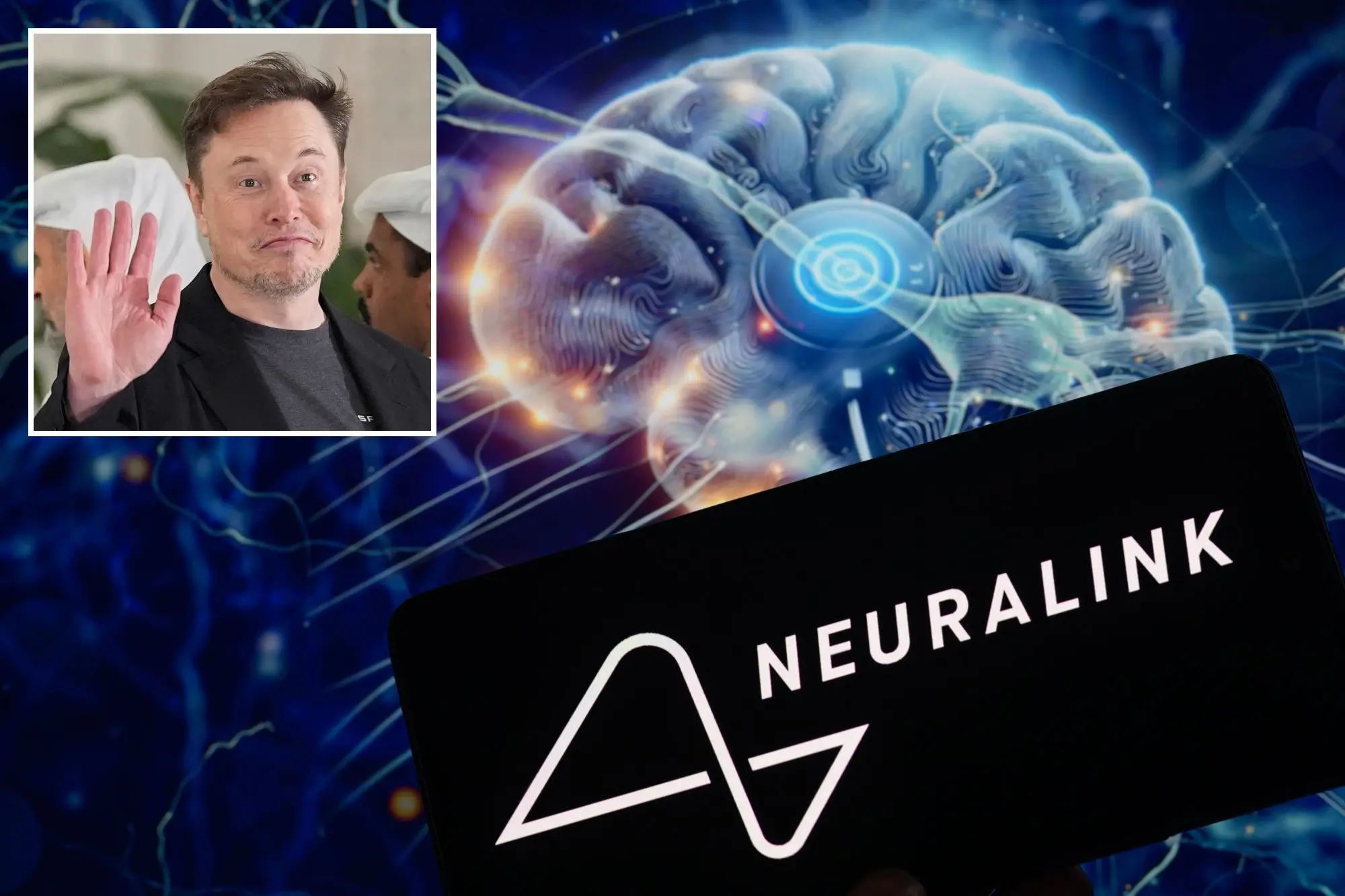
Neuralink, the neurotechnology company founded by Elon Musk, has reportedly raised fresh capital that brings its valuation to a staggering $9 billion, according to sources familiar with the matter. The latest funding round, though not officially disclosed by the company, signals growing investor confidence in Neuralink's vision to merge human cognition with advanced computing through brain-computer interface (BCI) technology.
Strategic Fundraising Amid Accelerating Developments
The new capital injection, said to be in the hundreds of millions, comes on the heels of significant milestones for Neuralink. Earlier this year, the company made headlines after successfully implanting its wireless brain chip in a human patient — a procedure that marked a critical step toward its long-term goal of creating symbiotic links between human brains and artificial intelligence systems.
The fundraising round reportedly included participation from existing investors, as well as new backers intrigued by the medical and technological potential of the startup. The $9 billion valuation reflects not only optimism about future breakthroughs but also the perceived market potential of Neuralink's technology in areas like paralysis treatment, memory enhancement, and brain signal decoding.
Progress and Public Attention
Neuralink has been under intense public scrutiny since its inception, largely due to Musk’s ambitious claims and the ethical implications of its work. Despite this, the company has made measurable progress. In January 2025, Neuralink confirmed that its first human subject was able to control a computer cursor with thought alone — an achievement that was independently observed by regulatory and medical experts.
The company has also been expanding its team and operational scope. Job listings suggest Neuralink is scaling its engineering, neuroscience, and regulatory affairs departments, signaling preparation for broader clinical trials and potential commercialization efforts.
Regulatory Landscape and Ethical Questions
With success comes increased regulatory oversight. Neuralink received FDA approval for human trials in mid-2023 after a series of delays and additional reviews. While the approval marked a significant milestone, concerns remain about the long-term safety and ethical considerations of implanting devices in the human brain.
Critics argue that rapid advancement in BCIs requires careful regulation, transparency, and safeguards to prevent misuse. However, Musk and Neuralink maintain that the technology will ultimately help treat neurological conditions and enable new forms of communication for individuals with severe physical limitations.
The Road Ahead
Neuralink's fresh capital and rising valuation could accelerate its path to wider clinical trials and possible commercial applications. While the vision of connecting humans and machines seamlessly remains a long-term goal, the company’s recent achievements suggest that the future of brain-computer interfaces is inching closer to reality.