 TECH TIMES NEWS
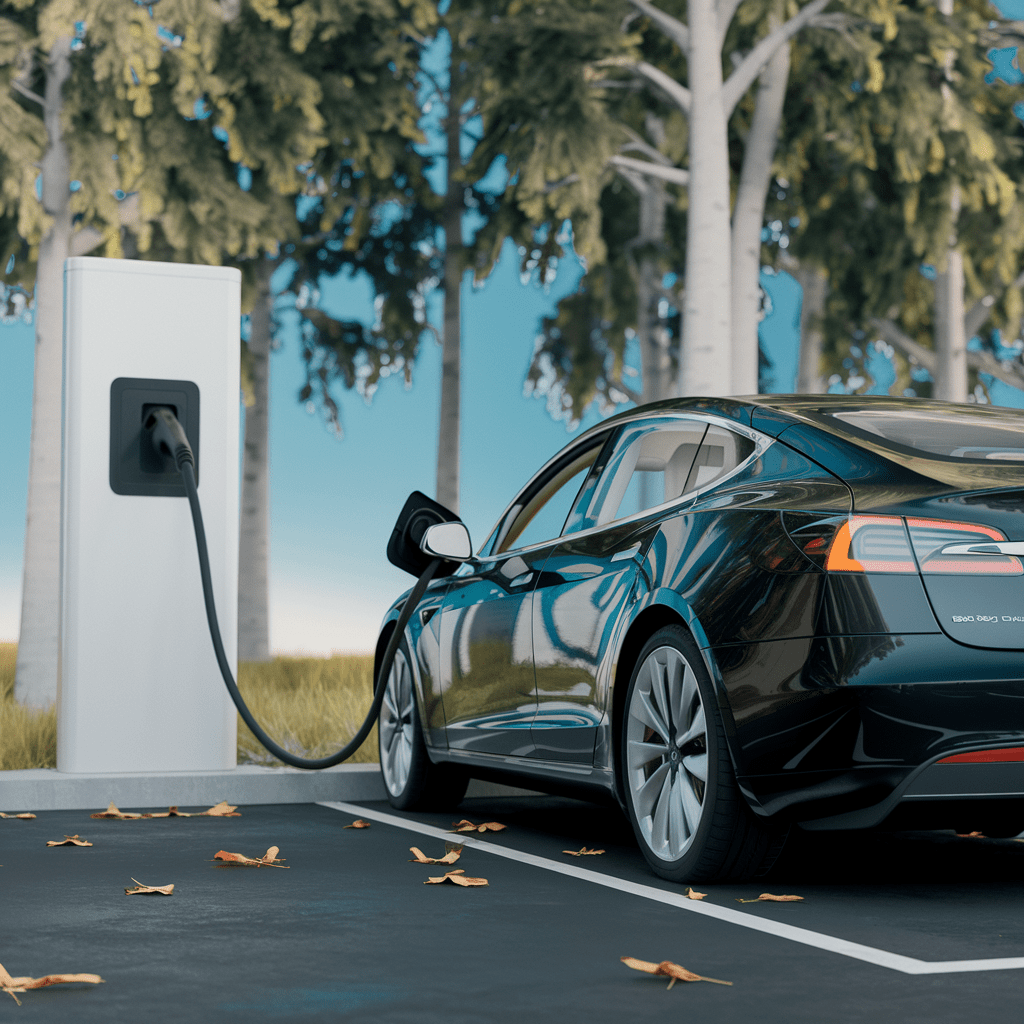
Oslo: In a remarkable shift toward sustainable transportation, nearly 90% of new car registrations in Norway last year were fully electric, signaling significant progress toward the nation’s ambitious goal of exclusively adding electric vehicles (EVs) to its roads by 2025.
According to data released by the Norwegian Road Federation (OFV) on Thursday, battery-powered vehicles comprised a striking 88.9% of all new car sales in 2024, a notable increase from 82.4% in 2023. Dominating the market were leading brands Tesla, Volkswagen, and Toyota, while electric vehicles from Chinese manufacturers now represent almost 10% of the total sales.
Christina Bu, the executive director of the Norwegian EV Association, highlighted the country’s pioneering role in eliminating traditional petrol and diesel vehicles from the market. “Norway is on track to become the first nation globally to almost entirely phase out the sale of fossil fuel-powered cars,” she stated.
Incentivized by significant tax policies, Norway has embraced electric automotive technology while imposing high taxes on petrol and diesel vehicles. The elimination of import and value-added tax on electric vehicles has further enhanced their attractiveness to consumers, even as some levies were reinstated in 2023, showcasing the government's commitment to promoting EV adoption.
Experts attribute Norway's success to its consistent policy approach, which has survived changes in political leadership. “In many other countries, financial incentives are often retracted, leading to confusion among consumers,” said Bu. “Norway, however, remains steadfast in its strategy.” Maintaining a robust EV market has also been easier thanks to the absence of a domestic automotive industry; Norway imports most of its vehicles, allowing for straightforward tax policies, according to Ulf Tore Hekneby, head of Harald A. Moeller, the country's largest car importer.
Crucially, Norway's approach has centered on providing incentives rather than imposing outright bans on petrol and diesel cars. “A heavy-handed approach may garner backlash from the public,” Bu noted. “People generally resist being told what they can and cannot do.”
The European Union has implemented plans to ban the sales of carbon-emitting vehicles by 2035 but may still permit the sale of cars utilizing fuels derived from captured CO2. In contrast, Norway’s proactive strategy has already resulted in fully electric vehicles surpassing petrol models on its roads. As of December 2024, electric cars represented more than 28% of all vehicles registered in Norway, according to Public Road Administration statistics.
This dramatic shift not only reflects Norway's commitment to reducing emissions but also reinforces the potential for change in the broader automotive market, setting a precedent for other nations considering similar paths toward sustainability.