 TECH TIMES NEWS
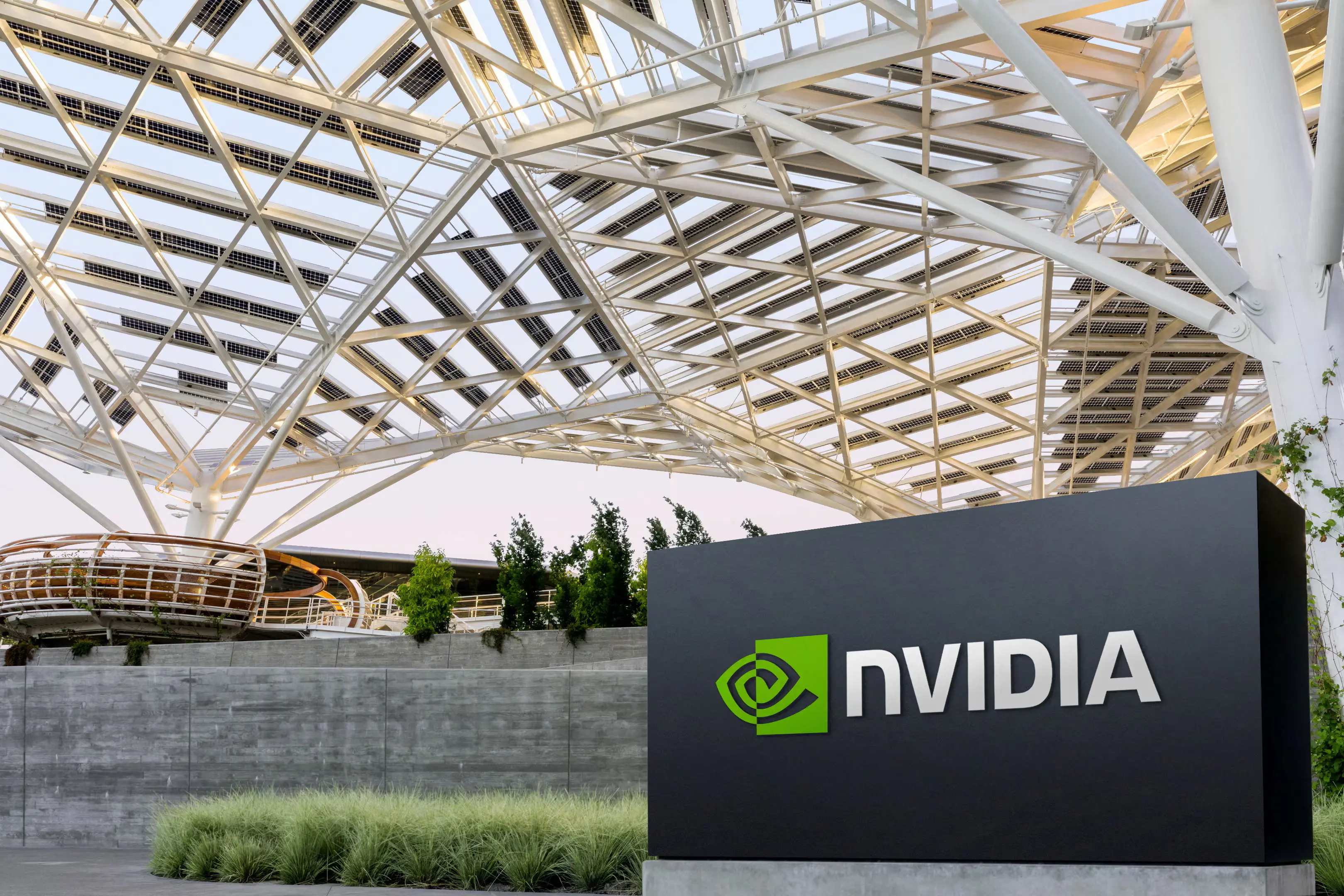
Nvidia is preparing to showcase its latest artificial intelligence advancements at its highly anticipated annual technology conference, where the company is expected to unveil new hardware, software, and AI infrastructure designed to stay ahead of competitors in the rapidly expanding AI market.
The event, widely followed by developers, investors, and tech leaders, is expected to focus on cutting-edge AI chips, data-center technology, and next-generation computing platforms that power generative AI systems, large language models, and advanced robotics.
Focus on Next-Generation AI Chips
One of the most anticipated aspects of the conference is Nvidia’s potential unveiling of new AI processors that could succeed its current industry-leading GPUs used for training and running AI models. Nvidia’s graphics processing units have become essential for companies building large-scale artificial intelligence systems, including chatbots, autonomous machines, and cloud AI platforms.
Industry observers expect Nvidia to emphasize improvements in performance, energy efficiency, and scalability. These upgrades could help companies deploy AI workloads faster and more cost-effectively, giving Nvidia another advantage over rivals such as AMD, Intel, and emerging AI chip startups.
Strengthening Its Dominance in the AI Ecosystem
Beyond hardware, Nvidia is likely to highlight advancements in its AI software ecosystem, including updates to developer tools, machine-learning frameworks, and cloud-based AI services.
The company has built a strong ecosystem around its CUDA platform and AI software libraries, making it easier for developers to train and deploy sophisticated AI models. By continuing to expand these tools, Nvidia aims to lock in developers and enterprises while making its hardware even more attractive.
Data Center and Cloud AI Expansion
Another key focus is expected to be the growth of AI infrastructure for data centers. As demand for generative AI and high-performance computing grows, companies are investing heavily in specialized AI servers powered by Nvidia chips.
At the conference, Nvidia could showcase new server architectures, networking technology, and optimized systems designed for massive AI clusters used by cloud providers and research institutions.
This push reflects the company’s strategy to dominate the backbone infrastructure powering the global AI boom.
AI Applications Across Industries
Nvidia is also expected to demonstrate how its technology is enabling AI breakthroughs across industries such as healthcare, automotive, robotics, gaming, and manufacturing.
From AI-powered drug discovery to self-driving vehicle platforms and intelligent robotics, the company has increasingly positioned itself as a key technology provider behind real-world AI applications.
These demonstrations typically serve to highlight the growing role Nvidia technology plays in powering the next generation of digital transformation.
Industry Watching for Strategic Signals
The conference comes at a time when competition in the AI hardware market is intensifying. Tech giants and semiconductor companies are investing heavily in developing their own AI accelerators to challenge Nvidia’s dominance.
As a result, analysts and investors will be closely watching the event for signals about Nvidia’s long-term roadmap, partnerships, and technological leadership.
If the company successfully introduces new breakthroughs, it could further strengthen its position as the central player in the global AI computing race.