 TECH TIMES NEWS
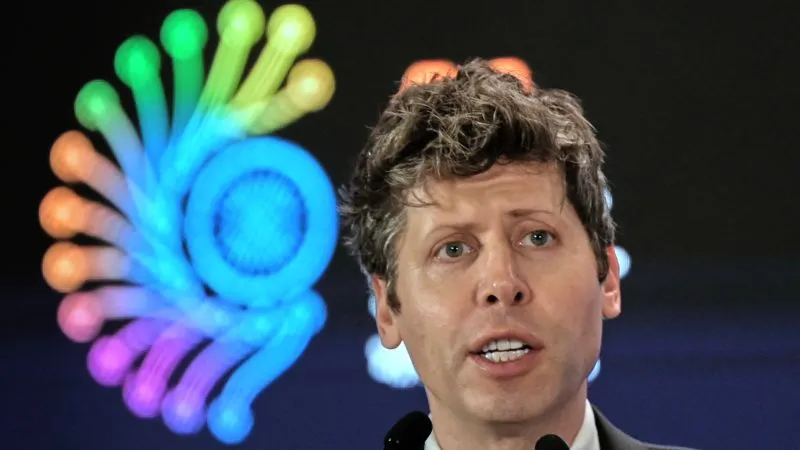
OpenAI is revising its existing agreement with the U.S. Department of Defense, a move confirmed by CEO Sam Altman during a recent public appearance. The amendment reflects what Altman described as a refinement of the company’s approach to working with military and national security agencies.
While specific contractual details have not been disclosed, Altman indicated that the changes are aimed at clarifying the scope of AI deployment and reinforcing guardrails around its use. The decision comes as governments worldwide accelerate the integration of artificial intelligence into defense operations.
Focus on Responsible AI Deployment
Altman stressed that OpenAI remains committed to ensuring that its technology is used responsibly and in alignment with democratic values. He noted that AI systems provided under government partnerships must adhere to strict oversight and ethical guidelines.
The revised agreement is expected to address how generative AI tools are utilized in areas such as logistics, cybersecurity, data analysis, and operational planning. OpenAI has consistently maintained that its models are not intended for direct weapons targeting or lethal autonomous systems, and the amendment may further codify such boundaries.
Growing Scrutiny Over AI in Defense
The amendment comes at a time of heightened public debate about the role of artificial intelligence in warfare and national security. Advocacy groups and technology ethicists have urged companies to be transparent about military collaborations, warning about risks tied to automation, bias, and accountability gaps.
OpenAI’s evolving relationship with the Pentagon follows broader industry trends, as major AI firms increasingly navigate complex partnerships with defense agencies. Companies are under pressure to balance national security interests with corporate ethics frameworks and global user trust.
Strategic Importance for the U.S. Military
For the Pentagon, advanced AI capabilities are viewed as essential to maintaining technological superiority. U.S. defense officials have repeatedly emphasized the need to adopt cutting-edge AI to improve intelligence processing, cyber defense, battlefield awareness, and operational efficiency.
By amending the agreement, both OpenAI and the Department of Defense appear to be aligning expectations more clearly as AI adoption scales. Analysts suggest the revised terms could serve as a blueprint for how private AI labs collaborate with public defense institutions in the future.
Industry Implications
The updated arrangement may also influence how other AI developers approach government contracts. As AI systems grow more powerful, companies face increasing pressure to define acceptable use cases and to build safeguards directly into contractual agreements.
Altman’s remarks indicate that OpenAI intends to maintain a role in national security innovation while drawing clearer ethical lines. The coming months are likely to reveal how the amended agreement shapes operational practices and sets precedents for AI governance in defense settings.