 TECH TIMES NEWS
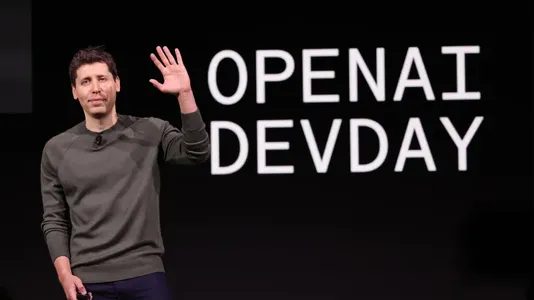
OpenAI has officially expanded access to its advanced image generation technology by releasing it through an API, marking a significant step forward for developers and businesses seeking to integrate high-quality visuals into their applications. This move is expected to unlock a new wave of innovation in industries ranging from design and advertising to gaming and education.
A New Era of Visual AI
The API enables developers to generate detailed, context-aware images from text prompts using OpenAI’s latest model, which builds upon the capabilities of its previous image models. Users can craft highly specific prompts to produce original visuals, such as illustrations, product mockups, artistic interpretations, or even synthetic photography—all within seconds.
Early access users have noted the model’s improved realism, understanding of complex instructions, and consistency in multi-image series. According to OpenAI, the tool also handles spatial relationships and text rendering better than previous versions, addressing a long-standing challenge in the field.
Customizable and Scalable
One of the standout features of the new API is its flexibility. Developers can fine-tune output size, style, and detail level, and apply content filters to ensure the generated images align with their brand or application needs. This scalability makes it suitable for both startups and large enterprises.
OpenAI also provides rate-based pricing tiers, allowing businesses to scale usage as needed. Integration documentation has been made available to streamline onboarding for engineers, and SDKs are already rolling out for common platforms and languages.
Ethics and Safety at the Core
As with all its offerings, OpenAI has emphasized the importance of responsible use. The company has implemented a robust set of content filters, watermarking capabilities, and user guidelines to prevent misuse such as the generation of harmful or misleading content. Developers must agree to these terms when using the API and are encouraged to implement additional moderation layers depending on their use case.
OpenAI has also announced plans for ongoing transparency reports to track the usage and impact of the API over time.
Implications for the Creative Industry
This release positions OpenAI as a major player in the increasingly competitive AI visual generation market. Analysts believe that widespread access to this technology could reshape workflows in digital design, reduce reliance on stock images, and even alter how visual media is conceptualized and produced.
From AI-assisted ad campaigns to dynamic educational tools, the potential applications are vast. As developers begin to experiment with and deploy the tool, the next few months are expected to bring a wave of visually rich innovations powered by artificial intelligence.
For more information and access to the API, developers can visit OpenAI’s official website or consult the API documentation directly through their developer portal.