 TECH TIMES NEWS
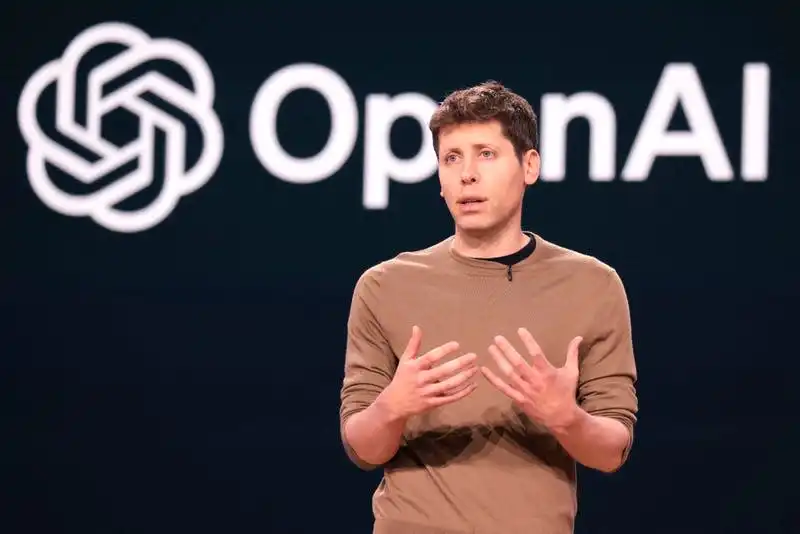
OpenAI has introduced two new artificial intelligence models—O3 and 04-Mini—marking a significant leap forward in reasoning capabilities and efficiency. The company also announced plans to gradually retire several of its older models, signaling a new chapter in the evolution of its AI ecosystem.
The Newcomers: O3 and 04-Mini
The O3 and 04-Mini models, both successors in the GPT-4 lineage, are designed to address limitations in previous iterations while introducing improved reasoning, memory retention, and contextual understanding.
-
O3, believed to be the next major advancement in OpenAI’s model family, is reportedly more robust in logical deduction, multi-step reasoning, and real-time decision-making. It is being deployed selectively and tested in real-world applications.
-
04-Mini, as the name suggests, is a lightweight version designed for faster inference and lower resource consumption. While it doesn’t boast the full power of its larger sibling, it’s optimized for edge computing, mobile devices, and tasks where speed and efficiency are crucial.
Both models were quietly rolled out to select users, with early feedback pointing to noticeable improvements in AI-generated responses, reduced hallucinations, and better alignment with user intent.
Phasing Out the Past
As part of this shift, OpenAI confirmed it will deprecate several older models in the coming months. These include some variants of GPT-3.5, early builds of GPT-4, and models that are no longer aligned with the company’s safety and efficiency standards.
The company stated that retiring these models will not affect most users, as newer versions offer backward compatibility and performance improvements. Enterprise clients using older APIs are being notified and guided through the transition.
A Strategic Move
Industry analysts interpret this move as OpenAI consolidating its model lineup to better support its multi-modal and memory-enhanced features. With the rise of AI agents, persistent memory, and integrations with tools like code interpreters and voice interfaces, more advanced models are necessary to handle complex workflows.
Sam Altman, CEO of OpenAI, recently hinted at the upcoming developments during a Q&A session: “We’re not just building smarter models—we’re building more useful and adaptive ones. The focus is on making AI more reliable, safe, and helpful in everyday contexts.”
What It Means for Developers and Users
For developers, this means updated documentation, revised APIs, and potentially more powerful tools at their disposal. For everyday users, interactions with OpenAI products—whether via ChatGPT, integrated apps, or third-party platforms—are expected to become smoother, more natural, and more contextually aware.
While OpenAI has yet to release detailed technical specifications or training data details for O3 and 04-Mini, a public research paper is anticipated in the coming weeks.
Bottom Line: The launch of O3 and 04-Mini is more than just an upgrade—it’s a signal that AI is maturing into a new phase where reasoning, memory, and adaptability are front and center. As the older models step aside, OpenAI’s latest offerings are poised to redefine how we interact with artificial intelligence in 2025 and beyond.