 TECH TIMES NEWS
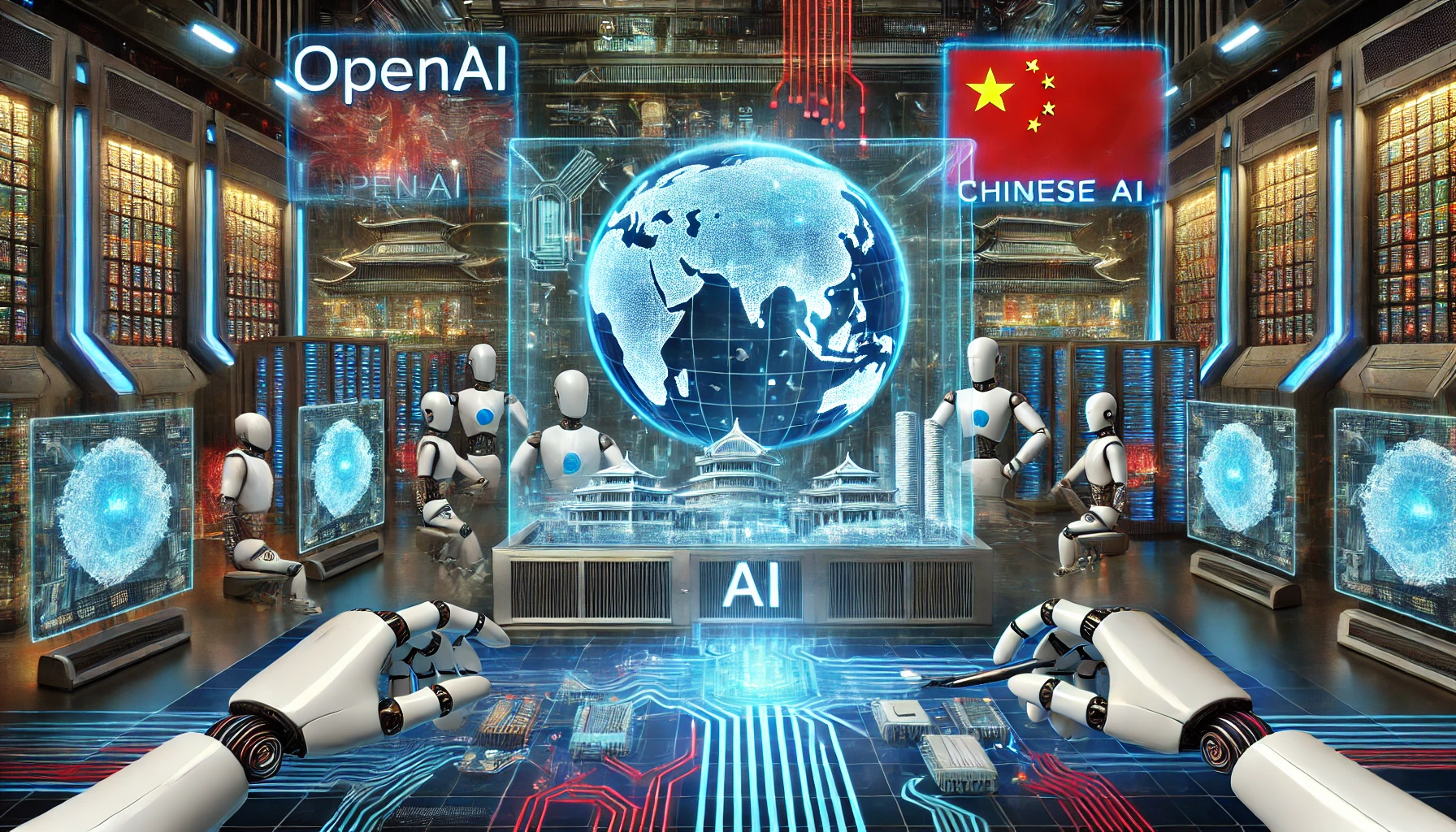
OpenAI, the leading artificial intelligence research lab, has unveiled a suite of new developer tools aimed at expanding AI capabilities and strengthening its foothold in the industry. This move comes as Chinese AI startups rapidly gain ground, challenging OpenAI’s dominance in the global AI landscape.
OpenAI’s Latest Developer Tools: What’s New?
As part of its latest expansion, OpenAI has introduced enhanced APIs and customization features, giving developers more flexibility in deploying AI-powered applications. The updates focus on:
-
Advanced API Capabilities – OpenAI’s API now offers improved performance, enabling faster and more efficient AI model integration into applications.
-
Customizable AI Models – Developers can fine-tune OpenAI’s models to cater to specific business and industry needs, improving accuracy and efficiency.
-
Lower Costs and Better Accessibility – OpenAI is optimizing pricing models to make AI more affordable, making it easier for businesses of all sizes to adopt AI-driven solutions.
-
Enterprise-Focused Solutions – New tools are designed for seamless AI deployment in industries such as finance, healthcare, customer service, and more.
-
Expanded Multimodal Capabilities – OpenAI is integrating text, image, and voice recognition into its AI models to enhance user experiences and automation potential.
Why OpenAI Is Expanding Its Offerings Now
OpenAI’s latest move comes amid rising competition from Chinese AI companies, which have been making significant strides in AI model development. Tech giants like Baidu, Alibaba, Tencent, and AI startups such as SenseTime and iFlytek have been investing heavily in large language models (LLMs), multimodal AI, and enterprise AI solutions.
Chinese AI firms have also been supported by government-backed AI initiatives, giving them a competitive edge in developing cutting-edge technologies. As a result, OpenAI is doubling down on its efforts to maintain leadership in the field.
The Global AI Race: OpenAI vs. China
The AI sector has become a battleground for technological dominance, with U.S. and Chinese firms racing to develop the most powerful AI systems. OpenAI’s expansion is seen as a strategic effort to keep pace with China’s fast-growing AI industry, which is gaining momentum in areas such as:
-
Multilingual AI models that cater to global markets.
-
AI-driven automation solutions for businesses and industries.
-
Advanced generative AI for content creation and digital transformation.
-
Cloud-based AI services to support enterprises.
What This Means for Developers and Businesses
-
More AI Flexibility – Developers now have greater access to customizable AI models, allowing them to create tailored AI-powered applications.
-
Cost-Effective AI Integration – With lower pricing structures, businesses can integrate AI solutions more affordably.
-
Enhanced AI Innovation – OpenAI’s push for multimodal AI tools could lead to smarter, more efficient applications across industries.
-
Stronger Global AI Competition – The battle between OpenAI and Chinese AI firms is expected to drive more rapid innovation and breakthroughs in AI technology.
The Road Ahead
As OpenAI strengthens its developer tools and AI offerings, it is clear that competition in the AI sector is only heating up. While OpenAI remains a dominant force in the industry, Chinese AI startups are quickly closing the gap, fueled by innovation and government support. The coming years will determine whether OpenAI can maintain its leadership or whether Chinese AI giants will redefine the future of artificial intelligence.
For now, OpenAI’s latest updates provide developers and businesses with powerful tools to leverage AI for real-world applications, keeping it at the forefront of the rapidly evolving AI ecosystem.