 TECH TIMES NEWS
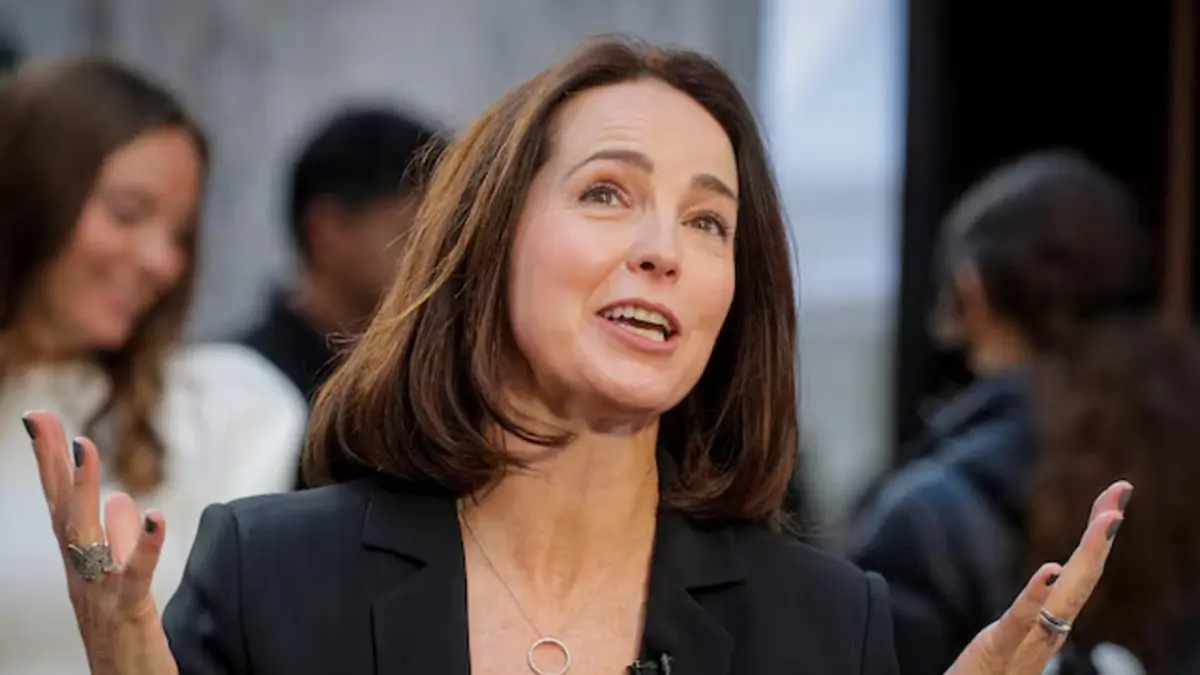
OpenAI’s reported ambition to go public as early as 2026 is encountering internal resistance, with the company’s Chief Financial Officer expressing concerns over the feasibility and timing of such a move. While CEO Sam Altman has been increasingly vocal about scaling OpenAI into a global AI powerhouse, the push toward an initial public offering (IPO) appears to be triggering deeper debates within the company’s leadership.
At its core, the disagreement reflects a classic Silicon Valley dilemma: whether to prioritize aggressive expansion and market dominance or ensure financial discipline and structural readiness before entering public markets.
CFO’s Concerns: Timing, Structure, and Sustainability
According to reports, the CFO’s reservations center on three critical areas—valuation sustainability, corporate structure, and long-term financial health.
OpenAI’s current hybrid structure—balancing a non-profit parent with a capped-profit subsidiary—poses unique challenges for public listing. Transitioning this model into a format acceptable to public investors could require significant restructuring, raising both legal and governance questions.
Additionally, the CFO is said to be wary of inflated valuations driven by AI hype cycles. While investor enthusiasm around generative AI remains high, public markets tend to be less forgiving than private capital when it comes to revenue clarity and profitability timelines.
Altman’s Vision: Scale Fast, Lead Globally
Sam Altman, on the other hand, has consistently emphasized speed and scale. Under his leadership, OpenAI has rapidly expanded its product ecosystem—from ChatGPT and enterprise APIs to multimodal AI systems—positioning itself at the center of the generative AI revolution.
An IPO could unlock massive capital inflows, enabling OpenAI to invest in compute infrastructure, talent acquisition, and long-term AGI (Artificial General Intelligence) research. With competitors like Google DeepMind and Anthropic accelerating their own advancements, Altman’s strategy appears focused on securing a decisive lead.
Microsoft Partnership: A Double-Edged Sword
Microsoft’s multi-billion-dollar investment in OpenAI adds another layer of complexity to the IPO conversation. While the partnership provides critical infrastructure via Azure and financial backing, it also raises questions about control, revenue sharing, and strategic independence.
Public investors may seek clearer visibility into how this relationship impacts OpenAI’s margins and decision-making authority—factors that could influence IPO appetite and pricing.
Market Reality Check: IPO Window or Risky Bet?
The broader tech IPO environment remains volatile. After a slowdown in listings over the past few years, markets are gradually reopening—but with stricter scrutiny on profitability and governance.
For OpenAI, going public in 2026 would mean convincing investors not just of its technological leadership, but of a sustainable and transparent business model. Monetization efforts—such as ChatGPT subscriptions, enterprise licensing, and API usage—are growing, but still evolving.
The CFO’s caution likely reflects an understanding that public markets demand predictability, something even leading AI firms are still working to establish.
Governance and Regulation: The Silent Pressure
Beyond financial considerations, regulatory scrutiny around AI is intensifying globally. Governments are pushing for clearer frameworks on data usage, safety, and accountability.
An IPO would subject OpenAI to additional disclosure requirements and oversight, potentially limiting its flexibility in a fast-moving research environment. Balancing innovation with compliance could become significantly more complex post-listing.
What This Means for the AI Industry
This internal debate is not just about OpenAI—it’s a signal for the entire AI sector. As companies transition from research-driven entities to commercial giants, tensions between mission, money, and market expectations are becoming more visible.
If OpenAI proceeds with an IPO despite internal concerns, it could set a precedent for other AI firms. Conversely, a delay might indicate that even industry leaders are not yet ready for the scrutiny of public markets.
The Takeaway
OpenAI’s potential 2026 IPO represents more than a financial milestone—it’s a defining moment that could shape the future of AI commercialization. The CFO’s reported concerns highlight the risks of moving too quickly, while Altman’s vision underscores the urgency of staying ahead in a fiercely competitive landscape.