 TECH TIMES NEWS
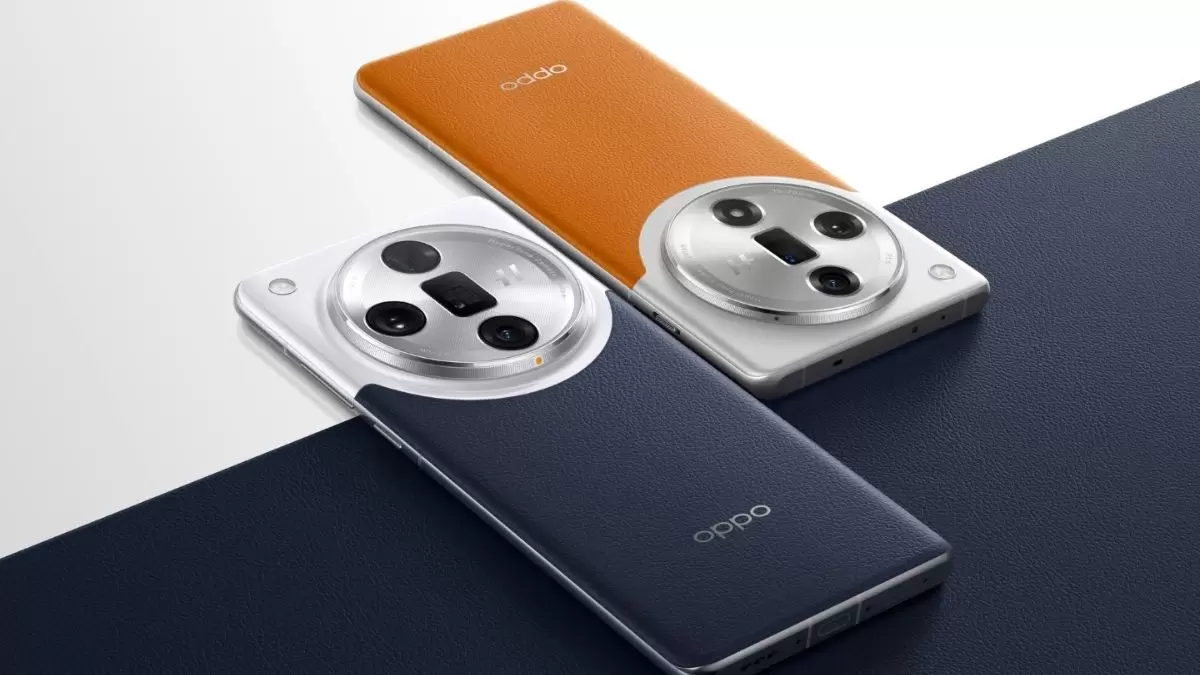
In the increasingly saturated world of ultra-premium smartphones, Oppo has once again raised eyebrows with the launch of the Find X8 Ultra. Sleek, powerful, and unafraid to push technological boundaries, this flagship device attempts to cement Oppo’s place among the titans of Android innovation. But as much as the X8 Ultra excels in certain areas, some critical factors hold it back from becoming the undisputed king of the smartphone world.
Design & Display: A Familiar, Yet Polished Aesthetic
At first glance, the Find X8 Ultra doesn't radically deviate from its predecessor in terms of visual design. The curved-edge AMOLED display returns, but this time in a slightly more refined 6.82-inch LTPO OLED panel with a stunning 3200 x 1440 resolution and 1-120Hz dynamic refresh rate. Brightness peaks at an impressive 3,000 nits, making outdoor visibility exceptional even under direct sunlight.
The rear of the device features a massive circular camera module that dominates the upper portion—still polarizing in aesthetics, but undeniably premium in build. Oppo has opted for a ceramic back this time around, which feels both luxurious and solid in hand. IP68 water and dust resistance is present as expected at this tier.
Performance: Snapdragon Elite Power
Under the hood, the Find X8 Ultra packs Qualcomm’s latest Snapdragon 8 Gen 4 chipset, paired with up to 16GB of LPDDR5X RAM and 512GB of UFS 4.0 storage. Performance, as you'd imagine, is top-tier. Whether you're gaming at max settings, editing 4K video, or multitasking with demanding apps, the device doesn’t flinch.
Thermal management has also seen improvements. Oppo's new vapor chamber cooling system maintains consistent performance under sustained loads, making thermal throttling a rarity even during stress testing.
Cameras: Mobile Photography Masterclass
This is where the Find X8 Ultra flexes its muscles. Co-developed with Hasselblad, the quad-camera system is spearheaded by a 1-inch Sony LYT-900 sensor—a successor to the popular IMX989—paired with three auxiliary lenses: a 50MP ultra-wide, a 64MP periscope telephoto with 6x optical zoom, and a 50MP portrait lens.
Photos come out breathtaking in most conditions. Dynamic range, detail preservation, and color science are all among the best in the business. Low-light performance has been further refined, with Night Mode producing crisp, true-to-life images even in near darkness. Video capture supports 8K at 30fps and 4K at 120fps, with Dolby Vision HDR support.
But here's the catch: Oppo’s image processing still occasionally leans toward aggressive smoothing and saturation in default mode—something that may irk purists.
Battery Life & Charging: Speed Over Endurance
The 5,000mAh battery comfortably gets through a day of moderate to heavy use. However, endurance falls slightly short compared to efficiency-focused rivals like the Galaxy S25 Ultra or iPhone 16 Pro Max.
Charging, however, is lightning-fast. With 100W wired SuperVOOC and 50W wireless charging, a full top-up takes less than 30 minutes. Oppo continues to set benchmarks in this department, though the absence of reverse wireless charging feels like a missed opportunity in a flagship.
Software: ColorOS Still Divides Opinion
Running on ColorOS 15 atop Android 15, the Find X8 Ultra’s software experience is as customizable as ever, but still somewhat polarizing. While power users will appreciate the deep feature set and fluid animations, others may find the skin too busy or inconsistent compared to the clean simplicity of stock Android or Samsung’s One UI.
Oppo promises four years of Android updates and five years of security patches—a significant step forward in post-purchase support, although it’s still catching up to the extended support cycles of Google and Apple.
So Good, Yet So Far: The Verdict
The Oppo Find X8 Ultra is undeniably a marvel of engineering. Its display is phenomenal, the performance flawless, and the camera system rivals the very best. But for all its brilliance, it's held back by a few software quirks, a somewhat limited global availability, and the lack of must-have ecosystem features like stylus support or true desktop mode.
At approximately $1,199 USD (depending on region), it’s priced to compete with the best. For those in regions where the X8 Ultra is officially available, it's a compelling choice. But for global buyers, the lack of widespread carrier support and patchy software localization keep it just out of reach—at least for now.