 TECH TIMES NEWS
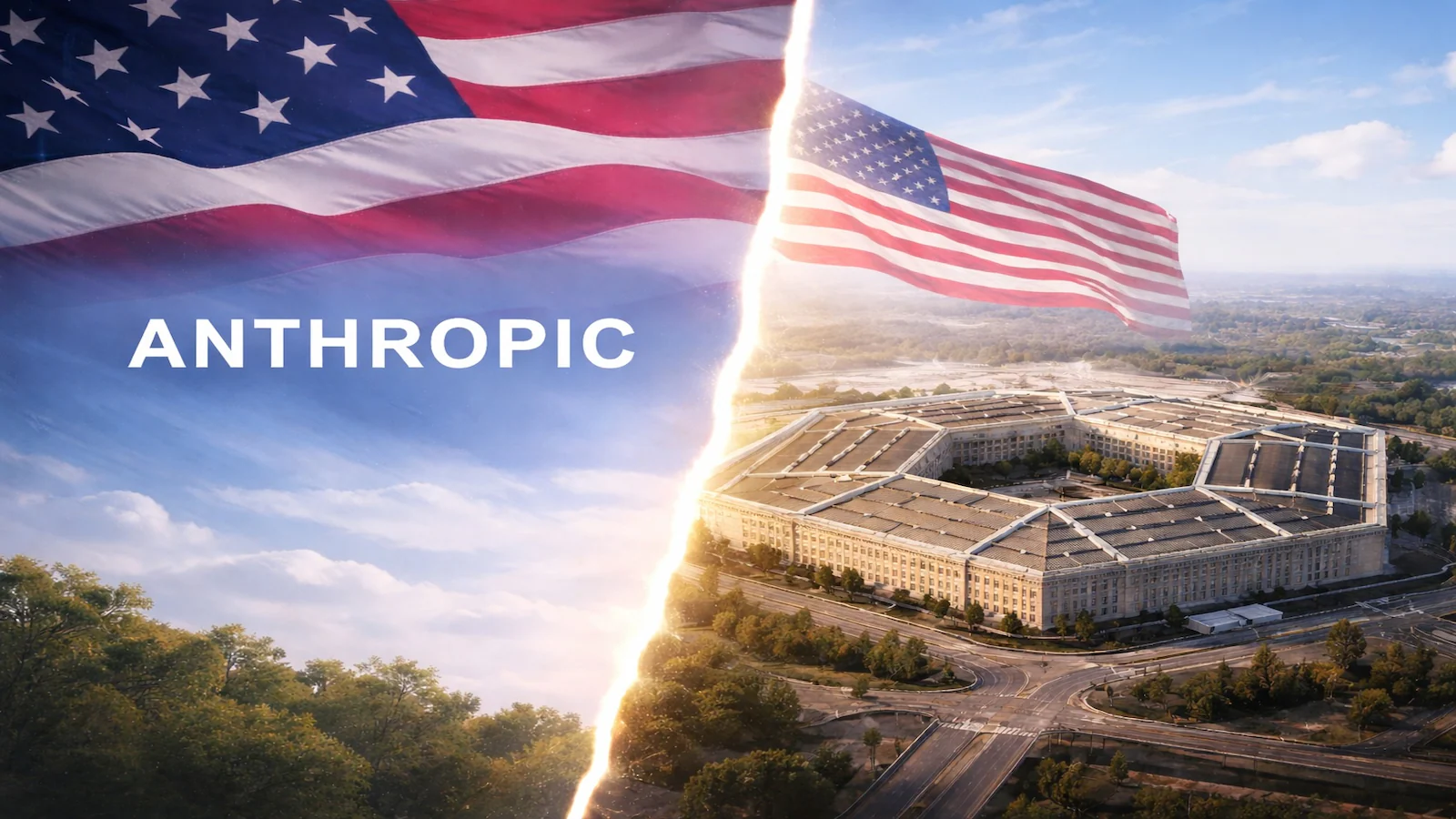
Tensions have surfaced between the U.S. Department of Defense (DoD) and artificial intelligence company Anthropic over how advanced AI systems should be deployed within military frameworks. The disagreement underscores a widening divide between government ambitions to accelerate AI adoption for defense purposes and private-sector caution regarding ethical and safety implications.
The Pentagon has been aggressively integrating AI tools into intelligence analysis, logistics optimization, cybersecurity defense, and battlefield simulations. Officials argue that maintaining technological superiority—particularly amid global competition—requires rapid AI advancement and deployment.
Anthropic, however, has signaled reservations about certain military applications of its technology.
Anthropic’s Safety-First Position
Anthropic, known for developing AI systems with a strong emphasis on alignment and safety, has publicly positioned itself as a company committed to responsible AI deployment. Its policies place restrictions on how its models may be used, especially in areas involving direct harm, autonomous weapon systems, or offensive military operations.
Sources familiar with the situation suggest that friction emerged as defense agencies explored broader applications of generative AI systems, including decision-support tools and operational planning models. Anthropic reportedly seeks clearer guardrails to prevent its AI models from being integrated into lethal or autonomous combat systems.
The company’s stance reflects a broader industry trend where AI developers are increasingly defining acceptable-use policies to limit liability and ethical risks.
Pentagon’s Strategic Imperative
From the Pentagon’s perspective, AI is not optional—it is essential. Defense officials have repeatedly warned that adversarial nations are investing heavily in military AI, ranging from autonomous drones to predictive surveillance systems.
The Department of Defense maintains that AI can reduce human error, improve decision-making speed, and enhance national security outcomes. Pentagon leaders have emphasized that AI systems used within military contexts remain subject to human oversight and legal review.
Yet, critics argue that rapid deployment without universally agreed ethical frameworks could lead to unintended escalation or misuse.
The Broader Debate Over AI Weaponization
The Pentagon–Anthropic disagreement is emblematic of a larger global debate: Should private AI companies draw strict boundaries around military use, or should governments determine how technology is deployed in national security contexts?
Some policymakers contend that restricting defense access to advanced AI tools could weaken strategic capabilities. Others argue that unchecked AI militarization risks sparking an arms race in autonomous weapons.
International organizations and advocacy groups have also pushed for treaties or agreements limiting fully autonomous lethal systems, though consensus remains elusive.
Corporate Responsibility vs. National Security
This clash highlights a fundamental tension between corporate governance and state authority. Technology firms operate globally and must consider reputational risk, shareholder interests, and ethical commitments. Governments, meanwhile, prioritize national security imperatives and geopolitical stability.
The situation echoes previous disputes between Silicon Valley and the Pentagon, including controversies surrounding AI contracts and surveillance technologies. Over time, some firms have adopted more transparent policies outlining what defense-related work they will or will not undertake.
Anthropic’s position suggests that even companies open to government collaboration may seek tighter controls over high-risk applications.
What Comes Next?
While neither side has signaled a complete breakdown in dialogue, the episode may prompt clearer contractual frameworks governing AI use in defense environments. Expect increased scrutiny of:
-
Acceptable-use agreements
-
Human oversight requirements
-
Transparency mechanisms
-
Testing and validation standards
-
Compliance with international humanitarian law
As artificial intelligence becomes deeply embedded in both civilian and military infrastructure, disputes like this are likely to become more frequent.
The outcome of this clash could help define how AI companies and governments collaborate—or clash—in shaping the future of warfare and global security.