 TECH TIMES NEWS
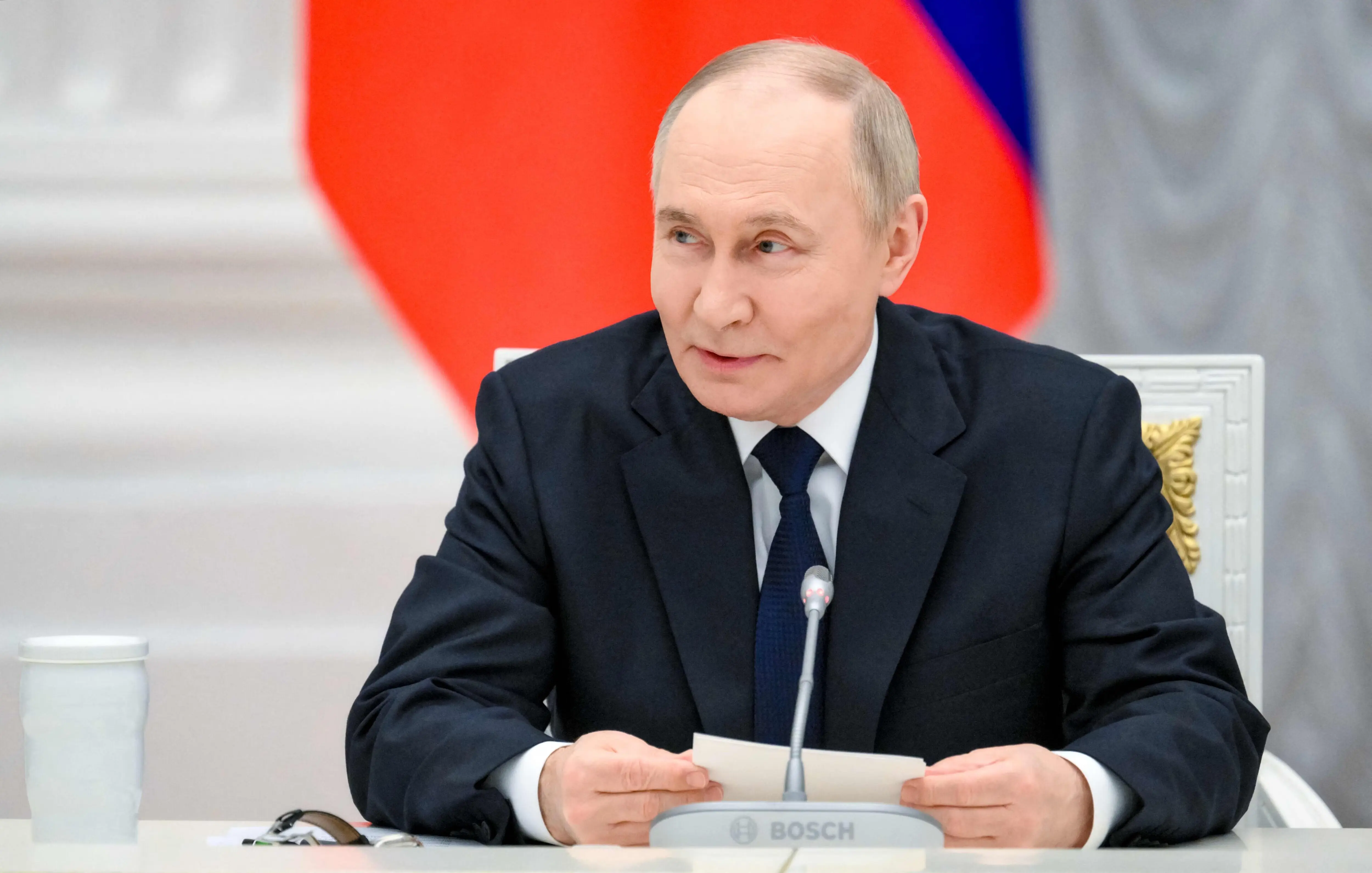
In a bold statement that underscores Russia’s increasing efforts to assert digital sovereignty, President Vladimir Putin has called for the “throttling” of certain Western technology services, including Microsoft and Zoom, within the Russian Federation. The comments, delivered during a national meeting on cybersecurity and technological independence, reflect deepening concerns within the Kremlin about foreign influence through digital platforms.
Pushing for Tech Independence
Putin emphasized the need for Russia to accelerate its transition to domestically-developed software and communication tools, warning that continued reliance on Western tech companies could pose security and strategic risks. He labeled services like Microsoft’s cloud infrastructure and Zoom’s videoconferencing tools as “potentially harmful,” alleging that they could be exploited for surveillance or disruption in the event of geopolitical tensions.
“We cannot allow foreign platforms with questionable loyalties to dominate our digital environment,” Putin said. “Our goal is not to isolate ourselves, but to protect national interests and support our domestic innovation.”
Strategic Targeting of Key Platforms
While no immediate bans or restrictions were announced, officials hinted at upcoming legislative proposals that would limit or degrade access to select foreign digital services. The term "throttling" used by Putin suggests that the government may look to reduce the performance or accessibility of certain platforms through technical means or regulation, rather than outright bans.
Russian lawmakers have previously passed laws mandating data localization and requiring foreign tech companies to establish on-ground legal representation. Analysts believe the new rhetoric may lead to tighter controls, particularly targeting cloud-based services and enterprise software.
Domestic Alternatives Promoted
In the same speech, Putin praised Russian tech firms like Astra Linux, VK, and the state-sponsored "Sfera" communication platform as viable alternatives. He called on government agencies and large enterprises to expedite the transition from Western software to domestic solutions by the end of 2025.
The Russian Ministry of Digital Development has reportedly prepared a roadmap for phasing out foreign software in critical infrastructure and public institutions. “We will not be held hostage to foreign decisions made in Silicon Valley or Washington,” said a senior ministry official following the meeting.
International and Domestic Reactions
Tech industry experts warn that such moves could deepen Russia’s isolation from global innovation and result in significant costs for both public and private sectors. “There are serious questions about compatibility, support, and performance of some domestic alternatives,” said Elena Volkova, a Moscow-based digital policy analyst. “The transition may not be smooth or cheap.”
On the other hand, Kremlin-aligned media outlets framed the announcement as a necessary defense of digital sovereignty, praising Putin for taking a firm stance against what they described as “technological colonization.”
Western tech companies have not yet issued official responses, but similar restrictions in the past have led to disruptions in service, legal challenges, or scaled-back operations within Russia.
Broader Context
This development comes amid ongoing tensions between Russia and Western nations over geopolitical conflicts, cyber incidents, and economic sanctions. In recent years, Russia has taken steps to develop a more autonomous internet infrastructure, including testing the “Runet,” a national internet that can operate independently from the global web.
Observers believe that further digital decoupling could be on the horizon, with broader implications for Russian citizens, global tech firms, and international internet governance.