 TECH TIMES NEWS
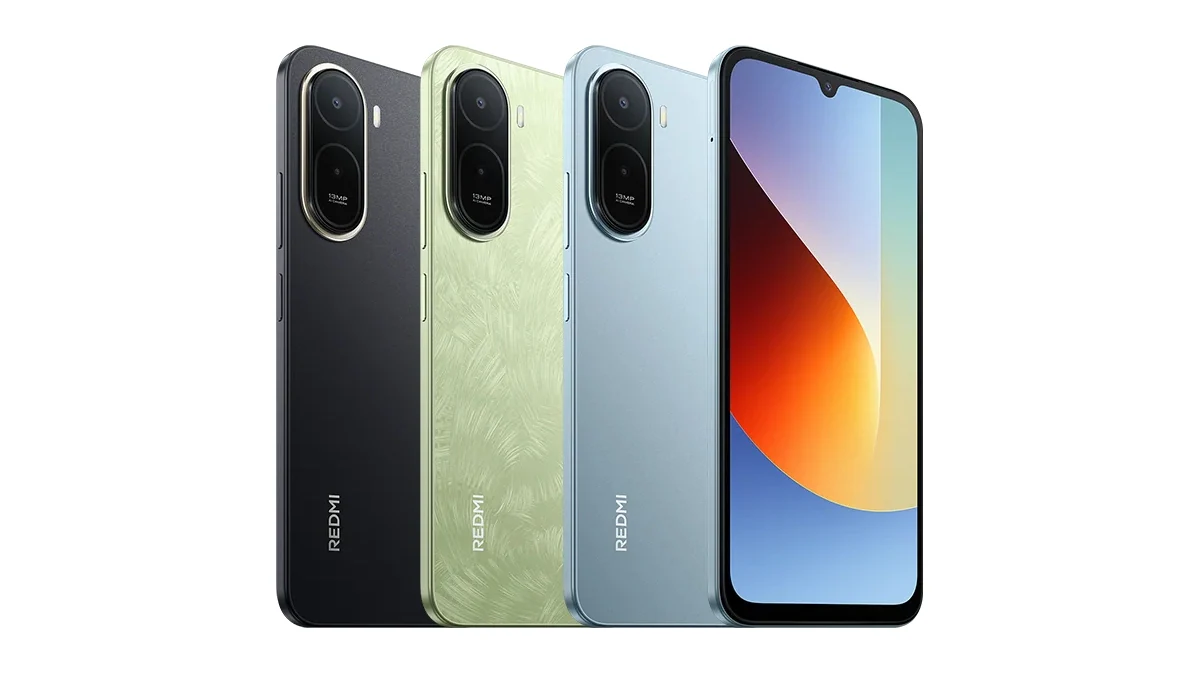
Redmi has introduced the Redmi A7 Pro 4G alongside the Redmi A7 4G in India, reinforcing its dominance in the ultra-budget smartphone category. These devices are clearly targeted at first-time smartphone users, students, and those looking for a reliable secondary device without stretching their budget.
The highlight here is the introduction of the Unisoc T7250 chipset in the A7 Pro, which signals Redmi’s intent to balance affordability with usable performance rather than chasing raw specs.
Price and Availability: Aggressive Positioning Continues
Redmi has priced both devices competitively to appeal to mass-market buyers:
- Redmi A7 Pro 4G: Expected to start around the sub-₹10,000 segment
- Redmi A7 4G: Positioned even lower, catering to entry-level buyers
Availability is likely through online platforms and offline retail stores across India, a strategy Redmi consistently uses to maximize reach in Tier-2 and Tier-3 markets.
Takeaway: Redmi isn’t trying to redefine the segment—it’s trying to dominate it with value.
Performance Focus: Unisoc T7250 Brings Practical Gains
The Unisoc T7250 chipset powering the Redmi A7 Pro is designed for:
- Smooth everyday usage (calling, browsing, social media)
- Better power efficiency compared to older entry-level chips
- Stable performance for light multitasking
While this isn’t a gaming-centric processor, it’s a notable upgrade for users moving from feature phones or older budget Android devices.
The standard Redmi A7 4G is expected to run on a more basic chipset, keeping costs down.
Expert Insight: In this price range, optimization matters more than raw power—and Redmi seems to be prioritizing stability over flashy benchmarks.
Display and Design: Big Screens, Familiar Aesthetics
Both smartphones are expected to feature:
- Large HD+ displays (likely 6.5-inch or above)
- Waterdrop notch design
- Slim bezels for the price segment
The design language remains minimal but practical, focusing on ergonomics and durability rather than premium materials.
User Impact: Ideal for media consumption, online classes, and casual video streaming.
Battery Life: Built for All-Day Usage
Battery remains a strong selling point:
- Likely 5000mAh battery on both devices
- Optimized for full-day or even multi-day usage under light use
Charging speeds will likely remain standard, but in this segment, longevity matters more than fast charging.
Camera Setup: Functional Over Fancy
The camera setup is expected to include:
- Single or dual rear camera system
- AI-based enhancements for basic photography
- Front camera suitable for video calls and selfies
This isn’t a camera-focused phone—but it’s good enough for everyday documentation and social sharing.
Software Experience: Clean and Accessible
Redmi is expected to ship these phones with a lightweight Android experience, possibly:
- Android Go Edition or optimized MIUI
- Minimal bloatware
- Focus on smoother performance on limited hardware
Why it matters: Clean software can significantly improve usability in entry-level devices.
Who Should Consider These Phones?
These devices are best suited for:
- First-time smartphone users
- Students and senior citizens
- Users looking for a secondary backup phone
- Buyers prioritizing battery life and reliability over performance
Market Context: Why This Launch Matters
India’s budget smartphone segment remains highly competitive, with brands like Realme, Lava, and Samsung all vying for attention.
With the A7 series, Redmi is:
- Reinforcing its value-for-money positioning
- Targeting offline-heavy markets
- Offering incremental but meaningful upgrades
Strategic Insight: Instead of chasing innovation, Redmi is doubling down on accessibility—and that’s where the volume lies.
Final Verdict: Practical, Not Aspirational
The Redmi A7 Pro 4G and Redmi A7 4G don’t aim to impress spec enthusiasts—but that’s not their job.
They are designed to:
- Work reliably
- Last long on a single charge
- Stay affordable
For the right audience, that’s more valuable than cutting-edge features.
Bottom line: If your priority is a dependable smartphone under tight budget constraints, the Redmi A7 series checks the right boxes without overpromising.