 TECH TIMES NEWS
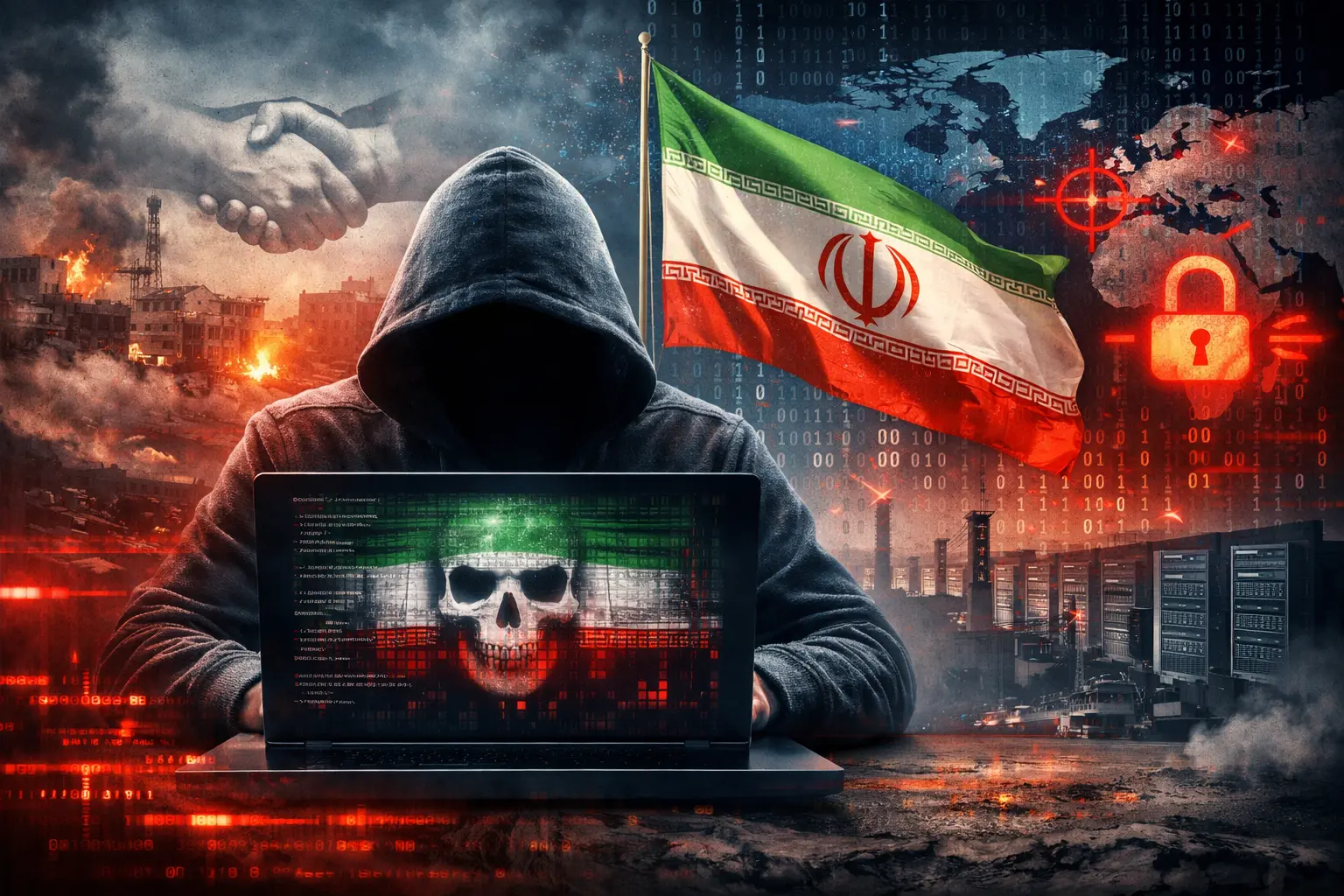
While a fragile ceasefire may signal a temporary pause in physical hostilities, cybersecurity experts caution that the digital battlefield is unlikely to follow suit. Iran-linked hacking groups have historically operated independently of conventional military timelines, often intensifying or sustaining cyber campaigns even during diplomatic lulls.
Security analysts note that cyber operations offer strategic flexibility—allowing actors to maintain pressure, gather intelligence, and signal capability without breaching ceasefire agreements in a traditional sense. This makes cyberspace a preferred domain for continued engagement.
A Pattern of Persistent Cyber Operations
Iran-affiliated advanced persistent threat (APT) groups, including well-documented clusters such as APT33, APT34 (OilRig), and APT35 (Charming Kitten), have demonstrated long-term operational consistency. These groups typically focus on espionage, critical infrastructure targeting, and increasingly, disruptive attacks.
Recent intelligence assessments suggest that these actors have continued probing networks across sectors such as energy, telecommunications, defense, and finance. Even during previous de-escalation phases, similar patterns emerged—indicating that ceasefires rarely translate into reduced cyber activity.
Evolving Tactics and Expanding Targets
Cybersecurity firms report a steady evolution in tactics used by Iran-linked groups. Phishing campaigns remain a primary entry point, but are now often combined with sophisticated social engineering, zero-day exploitation, and supply chain compromises.
Notably, there has been a rise in the use of wiper malware and ransomware-like tools, designed not just for financial gain but for disruption and psychological impact. Experts warn that such tactics blur the line between cybercrime and state-sponsored warfare.
In parallel, targets have expanded beyond government entities to include private sector organizations, particularly those tied to critical infrastructure or geopolitical interests.
Why a Ceasefire Doesn’t Mean Cyber Peace
Unlike traditional warfare, cyber operations are deniable, cost-effective, and continuous. A ceasefire agreement typically addresses kinetic conflict, leaving a grey zone where cyber activities can persist without direct attribution or immediate retaliation.
Moreover, cyber campaigns often serve long-term intelligence objectives. Halting them abruptly could mean losing valuable access to compromised systems or ongoing surveillance operations—something state-backed groups are unlikely to risk.
Implications for Businesses and Governments
For organizations, the key takeaway is clear: a geopolitical pause does not equate to reduced cyber risk. If anything, transitional periods can create windows of vulnerability as threat actors adapt strategies or exploit shifting defenses.
Cybersecurity experts recommend heightened vigilance, particularly in monitoring network anomalies, strengthening endpoint protection, and conducting regular threat assessments. Investment in threat intelligence and incident response readiness is increasingly seen as essential rather than optional.
The Bigger Picture: Cyber Conflict as a Constant
The ongoing situation underscores a broader trend—cyber warfare is no longer episodic but continuous. As geopolitical tensions evolve, cyberspace remains an active and often preferred domain for strategic competition.
For policymakers and security leaders alike, this means recalibrating expectations. Peace on the ground does not guarantee peace online, and the resilience of digital infrastructure will be a defining factor in managing future conflicts.
Bottom Line
The current ceasefire may reduce immediate physical risks, but it is unlikely to disrupt the momentum of Iran-linked cyber operations. Organizations should treat this period not as a reprieve, but as a critical window to strengthen defenses against a threat that shows no sign of slowing.