 TECH TIMES NEWS
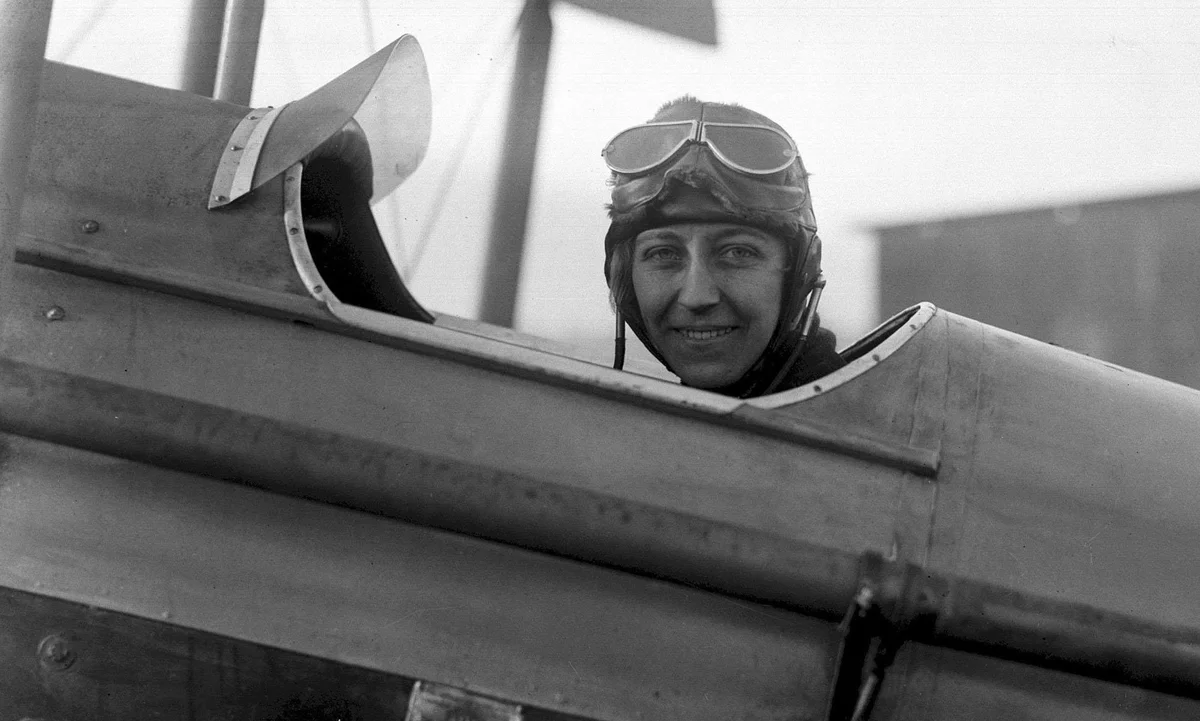
A new chapter in aviation history has been written. Miss Amy Johnson, a 26-year-old aviatrix from Hull, Yorkshire, has become the first woman to fly solo from England to Australia, completing the daring journey of over 11,000 miles in a single-engine biplane.
After taking off from Croydon Airport on May 5th in her de Havilland Gipsy Moth aircraft—affectionately named Jason—Miss Johnson battled unpredictable weather, mechanical troubles, and treacherous terrain to reach Darwin in Australia's Northern Territory on May 24th. Her remarkable feat captured the imagination of the world and marked a defining moment for women in aviation.
A Journey of Courage and Endurance
Miss Johnson’s route spanned the vast landscapes of Europe, the Middle East, and Asia before reaching the southern hemisphere. Along the way, she landed in cities such as Karachi, Rangoon, Bangkok, and Singapore, navigating vast deserts, dense jungles, and mountain ranges. Her determination was tested repeatedly—not only by the elements but also by the limits of early aviation technology.
Reports indicate that at one point, Miss Johnson was forced to make an emergency landing in the Timor Sea region due to engine difficulties. Local villagers and officials assisted in repairing the aircraft, allowing her to continue her mission with little delay.
An Unlikely Heroine
Before this historic flight, Amy Johnson was relatively unknown outside aviation circles. A graduate in economics from the University of Sheffield, she developed a passion for flying in her early twenties. She later earned her pilot's license and became the first British woman to qualify as a ground engineer—an accomplishment that laid the groundwork for her technical confidence in flying solo.
In preparing for the journey, she received support from aviation firms and donors, but it was her own tenacity and vision that truly carried her across continents.
A Hero’s Welcome
Upon landing in Darwin, Miss Johnson was greeted with cheers, garlands, and national flags. Local officials and residents came out in droves to witness her arrival, many expressing awe at the bravery and resilience shown by a young woman flying alone across half the globe.
In a brief address, Miss Johnson humbly thanked those who had supported her journey and expressed hope that her flight would inspire others—especially women—to pursue their ambitions in aviation and beyond.
Legacy in the Making
Aviation experts have hailed the flight as one of the most significant solo achievements since Charles Lindbergh’s transatlantic crossing in 1927. Miss Johnson’s success not only shatters gender barriers but also advances the credibility and potential of long-distance solo flight.
Back in Britain, preparations are already underway for her return, with public celebrations and honors anticipated. It is expected that she will receive national accolades for her historic contribution to both aviation and the progress of women in the field.
As the sun sets over Darwin, it rises anew on the legacy of Amy Johnson—an aviator whose courage soared higher than the clouds.