 TECH TIMES NEWS
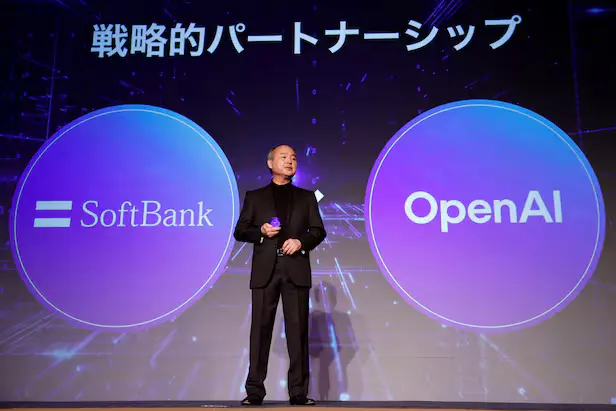
SoftBank Group has reportedly completed its massive $40 billion investment in OpenAI, cementing one of the largest single funding commitments ever made in the artificial intelligence sector. The move signals SoftBank founder Masayoshi Son’s renewed conviction that AI will define the next phase of global economic and technological transformation.
Strategic Push to Dominate the AI Era
According to reports, the investment aligns with SoftBank’s long-term vision of building an AI-centric ecosystem that spans hardware, software, robotics, and autonomous systems. OpenAI, known globally for its advanced generative AI models and enterprise-focused AI tools, is expected to play a central role in this strategy.
Strengthening OpenAI’s Computing and Research Capabilities
The funding is likely to significantly enhance OpenAI’s access to high-performance computing infrastructure, advanced semiconductor technologies, and global data center capacity. Industry observers suggest the capital will support next-generation model training, safety research, and large-scale AI deployments for businesses and governments.
SoftBank’s Comeback After a Turbulent Investment Phase
The deal also marks a notable shift for SoftBank, which had previously slowed aggressive investments following valuation corrections in the global tech market. By backing OpenAI at scale, SoftBank appears to be repositioning itself as a central player in the rapidly expanding AI economy.
Implications for the Global AI Competition
With this investment, competition in the AI space is expected to intensify further, particularly among major technology firms racing to commercialise generative AI across cloud services, productivity tools, and consumer applications. Analysts believe SoftBank’s backing could give OpenAI a decisive edge in long-term innovation and global expansion.
Regulatory and Market Watch Ahead
As AI investments grow in size and influence, regulators worldwide are closely monitoring governance, data use, and ethical implications. Both SoftBank and OpenAI are expected to face increased scrutiny as they scale operations and partnerships across multiple regions.