 TECH TIMES NEWS
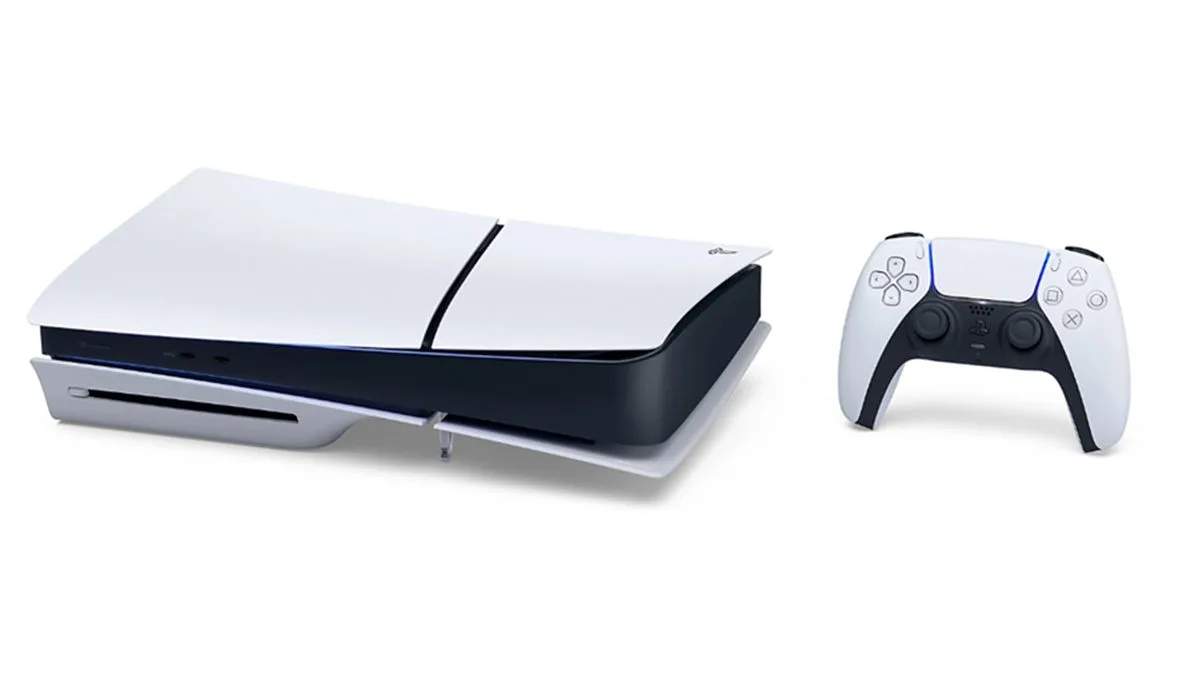
Sony’s highly anticipated next-generation console, widely expected to be the PlayStation 6 (PS6), may not arrive as early as previously speculated. According to fresh industry reports, the Japanese tech giant could delay the PS6 launch until as late as 2029 due to ongoing concerns surrounding global RAM supply constraints.
While Sony has not officially confirmed the existence or timeline of the PS6, insiders suggest that component availability — particularly high-performance memory modules — is playing a significant role in shaping the company’s long-term hardware roadmap.
RAM Shortage Linked to AI and Data Center Boom
The reported delay is largely attributed to increasing global demand for advanced memory chips, especially high-bandwidth RAM used in AI servers, data centers, and next-gen computing systems. Over the past few years, the explosive growth of artificial intelligence platforms and cloud infrastructure has significantly tightened supply chains for premium memory components.
Console manufacturers like Sony rely on cutting-edge GDDR and potentially next-gen memory technologies for performance gains. However, memory suppliers are currently prioritizing enterprise and AI-driven contracts, which offer higher margins compared to consumer electronics.
This shift in supply focus may limit Sony’s ability to secure sufficient quantities of high-speed RAM at competitive pricing for a 2027 or 2028 release window.
Sony’s Traditional Console Cycle
Historically, Sony has followed a six- to seven-year console generation cycle. The PlayStation 4 debuted in 2013, followed by the PlayStation 5 in 2020. Based on this timeline, many analysts projected the PS6 to arrive around 2027 or 2028.
However, the PS5 generation experienced unique challenges, including pandemic-related manufacturing issues and semiconductor shortages that persisted for nearly two years after launch. Given that backdrop, Sony may opt for a longer PS5 lifecycle, extending its dominance while ensuring a smoother transition to the next generation.
Potential Impact on Gamers and Developers
If the PS6 is indeed delayed to 2029, it could mean a longer runway for PS5 Pro or refreshed hardware variants. Developers may also benefit from extended time to fully harness current-gen architecture, potentially leading to more visually ambitious titles over the coming years.
A later launch could also allow Sony to incorporate more mature technologies — such as advanced ray tracing hardware, AI-assisted upscaling, and faster storage solutions — without facing early production constraints.
Competitive Landscape Remains Uncertain
Microsoft and Nintendo’s next moves could also influence Sony’s strategy. If competitors push forward with new hardware sooner, Sony may face pressure to accelerate its plans. On the other hand, if the broader industry faces similar memory supply challenges, a coordinated generational shift around 2028–2029 may become the new norm.