 TECH TIMES NEWS
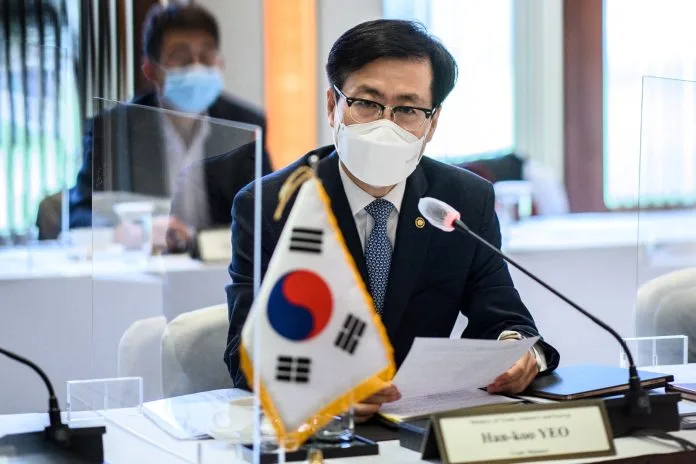
South Korea has indicated that newly announced U.S. tariffs on semiconductor products are unlikely to cause major short-term disruption to its chip industry, citing existing supply agreements and diversified export strategies. Government officials said most Korean chipmakers operate under long-term contracts, which buffer them from sudden pricing or policy shifts.
Policy Still Under Review in Washington
The proposed U.S. tariffs are part of a broader effort to strengthen domestic semiconductor manufacturing and reduce reliance on foreign supply chains. However, South Korean authorities noted that details around implementation timelines and product categories remain under discussion, limiting immediate effects on exporters.
Memory Chip Makers Less Exposed
Industry analysts suggest that South Korea’s leading memory chip producers face relatively low short-term risk, as memory products are deeply embedded in global supply chains. These components are also harder to substitute quickly, reducing the likelihood of abrupt order cancellations.
Government Maintains Close Diplomatic Coordination
Seoul confirmed it is in active communication with U.S. trade officials to monitor policy developments. Officials emphasized that South Korea is positioning itself as a strategic and reliable partner in the global semiconductor ecosystem, particularly for advanced and high-volume chip manufacturing.
Long-Term Risks Still Acknowledged
While the immediate impact may be limited, South Korea acknowledged potential long-term challenges if tariffs expand or persist. Industry leaders warned that prolonged trade barriers could influence future investment decisions and accelerate supply chain realignments toward domestic U.S. production.
Focus on Competitiveness and Innovation
To mitigate future risks, South Korea plans to continue investing heavily in semiconductor research, workforce development, and next-generation manufacturing technologies. Officials stressed that maintaining technological leadership remains the country’s strongest defense against evolving trade policies.