 TECH TIMES NEWS
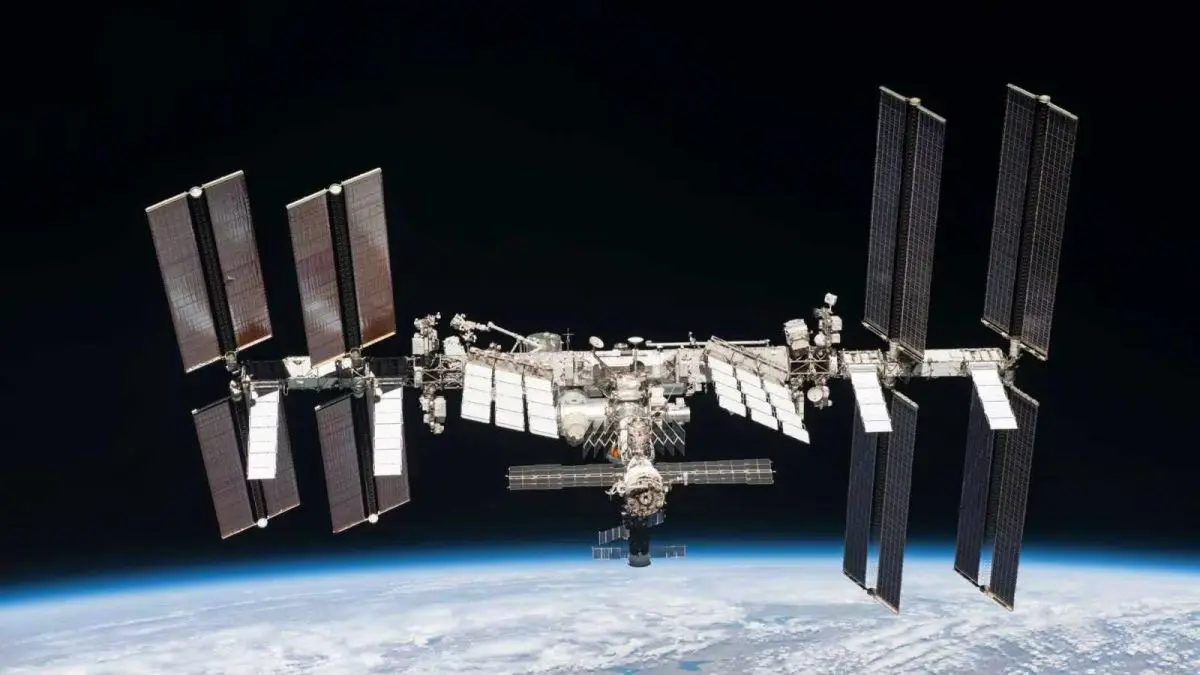
SpaceX has poured cold water on one of the more futuristic ideas gaining traction in the tech world: AI-powered data centres operating in space. According to recent statements from company officials, the concept—while technically intriguing—remains largely unproven and may not be commercially viable in the foreseeable future.
The skepticism comes at a time when multiple startups and research groups are proposing orbital data centres as the next evolution of cloud computing. These systems aim to process massive AI workloads in space, potentially leveraging solar energy and reducing reliance on terrestrial infrastructure.
Why Companies Are Eyeing Space for AI Computing
The idea of space-based data centres isn’t without logic. Advocates argue that operating in orbit could offer several advantages:
- Abundant Solar Power: Satellites can access near-continuous sunlight, reducing dependence on conventional energy grids.
- Lower Cooling Costs: The vacuum of space provides natural conditions for heat dissipation, a major issue in Earth-based data centres.
- Reduced Latency for Space Systems: With the rise of satellite networks like Starlink, processing data closer to its source in orbit could improve efficiency.
Some proponents also frame orbital computing as a greener alternative, potentially reducing the carbon footprint of massive terrestrial server farms.
SpaceX’s Core Concern: Economics Over Engineering
Despite these theoretical benefits, SpaceX believes the economics simply don’t add up—at least not yet. Launch costs, hardware reliability, maintenance limitations, and the sheer complexity of deploying and scaling infrastructure in orbit present significant barriers.
Even with reusable rockets lowering the cost of access to space, sending thousands of servers into orbit is still far more expensive than building and upgrading facilities on Earth. Additionally, hardware failures in space are far harder to address, with limited options for repair or replacement.
A key issue is return on investment. For most companies, terrestrial data centres—especially hyperscale facilities operated by cloud giants—remain far more cost-effective and scalable.
Technical Hurdles Still Loom Large
Beyond cost, several technical challenges complicate the vision:
- Radiation Exposure: Space hardware must withstand high levels of cosmic radiation, which can degrade components over time.
- Limited Upgrade Cycles: Unlike Earth-based systems, upgrading hardware in orbit is slow and expensive.
- Data Transmission Bottlenecks: While satellite networks are improving, transmitting large volumes of data between Earth and orbit still introduces latency and bandwidth constraints.
These factors collectively reduce the practical appeal of orbital data centres for mainstream AI workloads.
Industry Momentum vs Ground Reality
Interestingly, despite skepticism from SpaceX, interest in space-based computing continues to grow. Startups in the US and Europe are actively exploring prototypes, while some governments see strategic value in off-planet infrastructure for security and redundancy.
There’s also a geopolitical dimension: space-based data centres could offer nations more control over critical computing infrastructure, especially in scenarios involving cyber threats or terrestrial disruptions.
However, industry analysts note that many of these initiatives are still in early experimental stages, with no clear path to profitability.
What This Means for the Future of AI Infrastructure
SpaceX’s stance serves as a grounded counterpoint to the hype surrounding orbital computing. While the concept may eventually find niche applications—such as processing satellite imagery or supporting deep-space missions—it is unlikely to replace Earth-based data centres anytime soon.
In the near term, innovation is more likely to focus on improving efficiency, sustainability, and scalability within terrestrial infrastructure. Technologies like liquid cooling, AI-optimized chips, and renewable-powered data centres are already delivering measurable gains without the risks associated with space deployment.
The Bottom Line
Space-based AI data centres remain an exciting but speculative frontier. SpaceX’s caution highlights a critical truth in the tech industry: not every ambitious idea translates into a viable business.