 TECH TIMES NEWS
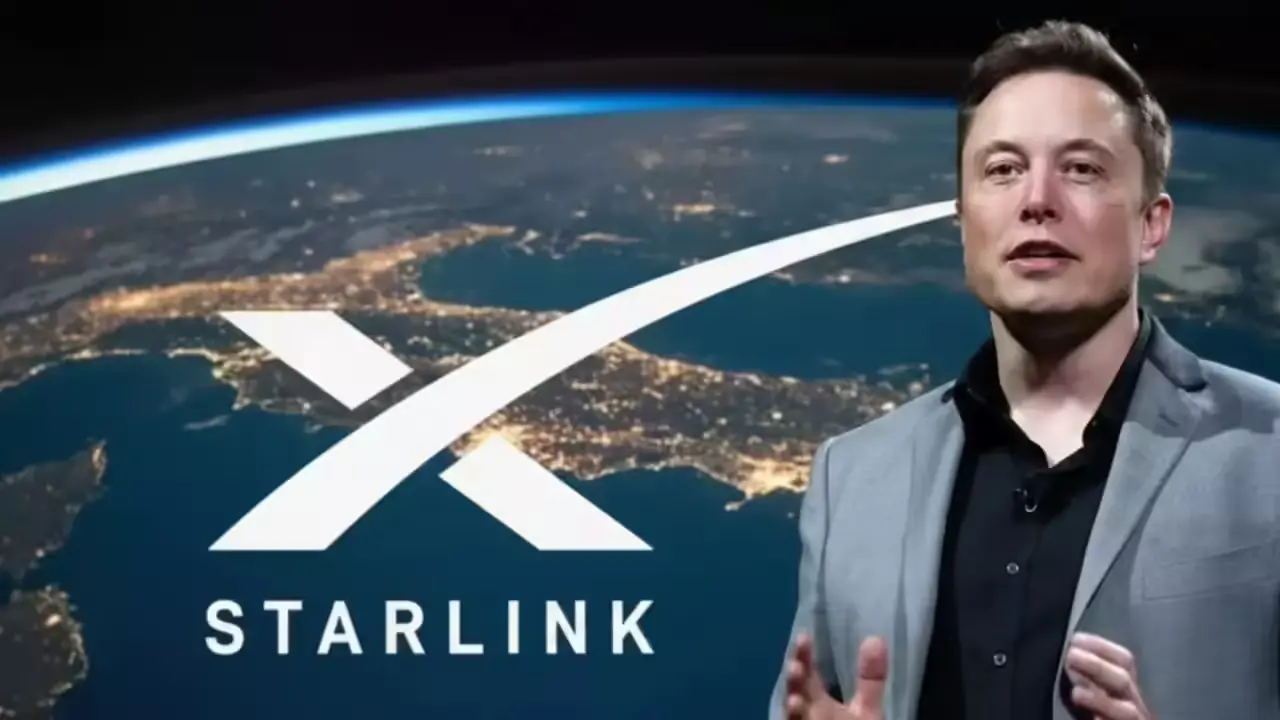
Elon Musk’s satellite internet venture, Starlink, is facing one of its most serious real-world tests as Iranian authorities intensify efforts to restrict digital access during a renewed security crackdown. The situation has transformed Starlink from a technological solution into a symbol of resistance against state-controlled internet shutdowns.
As Iran moves to tighten online controls, international attention is now focused on whether Starlink can maintain secure, uninterrupted connectivity for users attempting to bypass government censorship.
Iran’s Internet Restrictions Trigger Global Attention
Iran has a long history of throttling or cutting off internet services during periods of unrest, often citing national security concerns. In recent weeks, reports indicate authorities have once again disrupted mobile networks, blocked platforms, and limited access to international websites.
These restrictions have heightened reliance on alternative connectivity solutions, particularly satellite-based services like Starlink, which operate independently of terrestrial infrastructure.
Starlink’s Growing Role in Circumventing Censorship
Starlink, operated by SpaceX, delivers internet access through a constellation of low-Earth orbit satellites. The system has previously gained attention for supporting connectivity in conflict zones and regions affected by government-imposed blackouts.
In Iran’s case, Starlink terminals are believed to be operating discreetly, raising questions about how effectively authorities can detect, block, or jam satellite signals—and whether Starlink can adapt to counter such measures.
Security, Detection, and Signal Jamming Risks
Experts say Iran may attempt advanced signal-jamming techniques, location tracking, or legal penalties to discourage Starlink usage. While Starlink’s technology is designed to be resilient, sustained interference could test its encryption standards, user anonymity protections, and hardware security.
The outcome may influence how satellite internet providers design future systems to operate under hostile regulatory environments.
Elon Musk’s Delicate Balancing Act
Elon Musk has previously voiced support for internet access in restricted regions, but operating in politically sensitive environments carries legal and diplomatic risks. Starlink’s involvement in Iran places the company at the intersection of free speech advocacy, international law, and geopolitical tension.
Any escalation could impact SpaceX’s global operations, regulatory approvals, and relationships with governments worldwide.
Why This Test Matters Beyond Iran
The Iranian crackdown represents more than a regional issue—it could set a precedent for how authoritarian states respond to satellite-based internet services. Governments across the world are watching closely to see whether Starlink can remain functional under sustained pressure.