 TECH TIMES NEWS
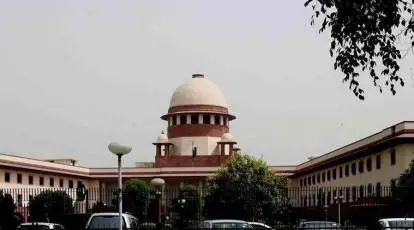
In a significant judgment reinforcing the principles of press freedom and judicial boundaries, the Supreme Court of India has clarified that it is not the judiciary’s role to instruct media houses to take down or delete published content.
The observation came during a recent hearing where the apex court was addressing a petition concerning the removal of allegedly defamatory or sensitive content from online news portals. While the petitioner had urged the court to intervene and order the removal of specific news reports, the bench firmly stated that such directives do not fall within the constitutional responsibilities of the judiciary.
"Freedom of the Press Must Be Preserved"
A bench led by Justice Sanjay Kishan Kaul emphasized that freedom of expression, including that of the press, is a cornerstone of democracy. The judges remarked that unless content is proven to be unlawful or in violation of specific statutes — such as contempt of court, hate speech, or criminal defamation — courts should exercise restraint in compelling media platforms to remove published material.
“The judiciary must not become a super-censor of the press,” the court stated. “Our role is to uphold the law, not to oversee editorial decisions.”
Legal Remedies Already Available
The bench pointed out that individuals or entities aggrieved by media reports have legal avenues available under civil and criminal law, including defamation suits, complaints to regulatory bodies, and seeking interim relief through appropriate forums. However, expecting courts to micromanage digital content or media publications would set a problematic precedent, the judges warned.
“It is not for this court to function as an ombudsman for all grievances arising out of published content,” the judgment noted.
Digital Age, Greater Responsibility
While upholding the media’s right to publish, the court also acknowledged the challenges posed by the digital era, where content can go viral within minutes and cause irreparable damage. The justices urged media houses and online platforms to exercise responsibility and maintain journalistic ethics, especially while reporting on sensitive issues.
However, the court reiterated that regulatory mechanisms, both statutory and self-regulatory, are the proper channels for addressing such concerns — not direct orders from the bench.
Background of the Case
The petition stemmed from a high-profile case involving a businessperson who claimed reputational damage due to online reports that he said were misleading and prejudicial. While seeking the court’s intervention to have the content removed, the petitioner also argued that digital news portals often act without accountability.
The court, however, declined to pass takedown orders, emphasizing that doing so would blur the line between adjudication and censorship.
Implications for Media and Law
The judgment is expected to have wide-ranging implications on how future courts respond to petitions involving media content. Legal experts say it strengthens the principle of separation of powers and protects editorial freedom, while also reaffirming that there are structured legal processes for redress.
"This is a much-needed assertion of judicial restraint in an age of increasing calls for censorship," said a senior legal analyst. "It puts the onus on individuals to follow due process rather than expect immediate censorship via courts."
As debates over misinformation, digital regulation, and press accountability continue, this verdict offers a clear reminder: courts are not arbiters of editorial content, but guardians of constitutional values.