 TECH TIMES NEWS
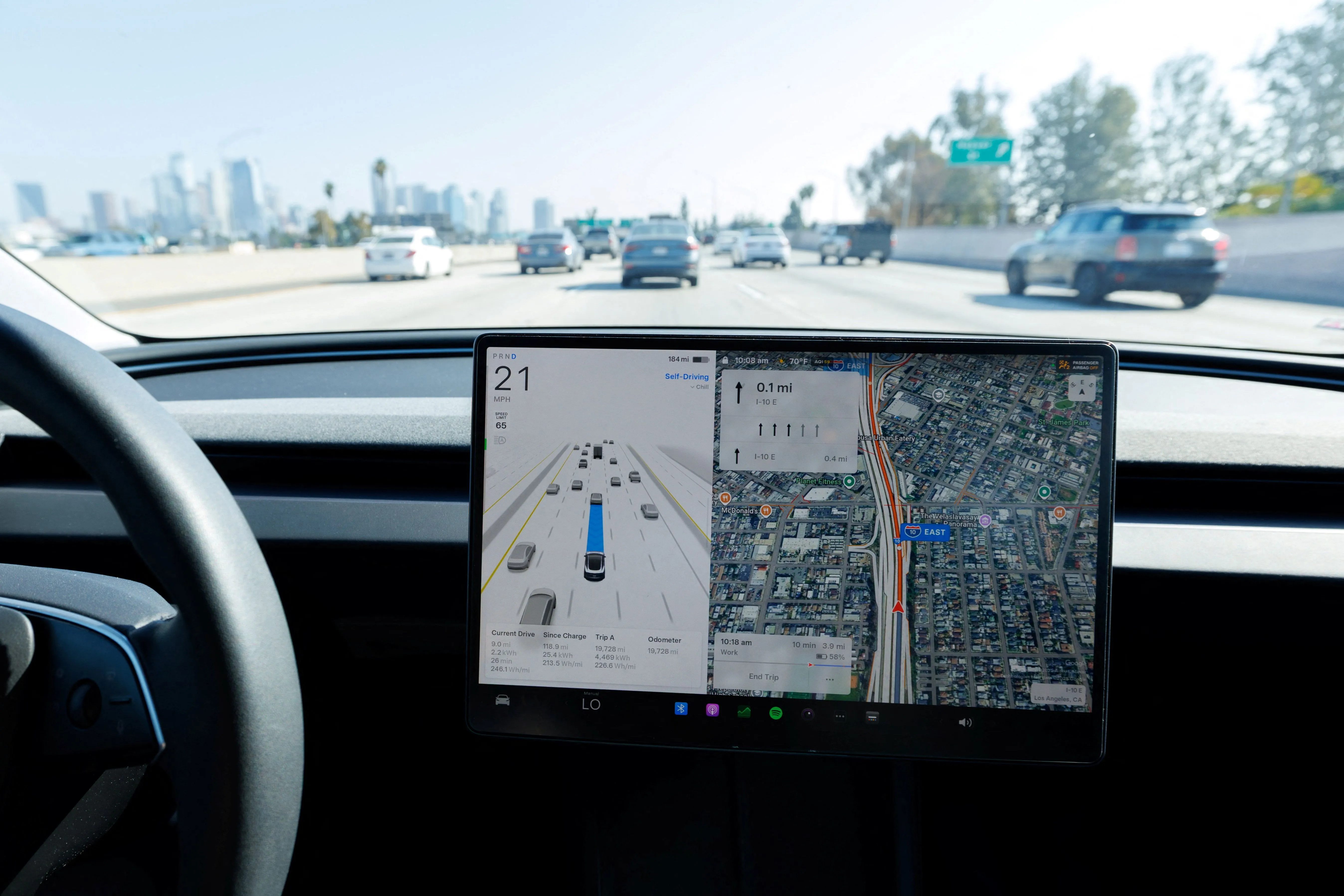
Tesla has been granted additional time by US safety regulators to respond to an ongoing investigation into its self-driving technology, marking another significant development in the scrutiny surrounding the automaker’s advanced driver-assistance systems.
The investigation, led by the National Highway Traffic Safety Administration (NHTSA), focuses on how Tesla markets and deploys its Full Self-Driving (FSD) and Autopilot features, particularly in real-world driving conditions.
Focus on Safety and Real-World Performance
Regulators are examining whether Tesla’s self-driving features could create a false sense of security among drivers. The agency is assessing if the system’s naming, promotional messaging, and user instructions accurately reflect its capabilities and limitations.
The probe comes amid concerns that drivers may overestimate the technology’s autonomy, potentially leading to risky behavior behind the wheel.
Why Tesla Asked for More Time
According to regulatory filings, Tesla requested an extension to compile detailed technical data and internal documentation related to system performance, software updates, and incident reports. The company argues that the complexity of the technology requires additional time to provide accurate and comprehensive responses.
NHTSA approved the request, emphasizing that the extension does not pause or weaken the investigation.
Previous Incidents Add Pressure
The investigation follows several high-profile crashes involving Tesla vehicles operating with driver-assistance features enabled. While Tesla maintains that its systems improve road safety when used correctly, regulators continue to analyze whether design choices or communication gaps may contribute to misuse.
Tesla’s Position on Self-Driving Tech
Tesla has consistently stated that its Full Self-Driving system is not fully autonomous and requires active driver supervision at all times. The company has also pointed to frequent over-the-air software updates as evidence of its commitment to improving safety and performance.
However, critics argue that the branding and public messaging may still blur the line between assistance and autonomy.
Potential Outcomes of the Investigation
If regulators determine that Tesla’s technology poses unreasonable safety risks, the company could face recalls, software changes, fines, or tighter usage restrictions. The outcome may also influence how advanced driver-assistance systems are regulated across the broader auto industry.
The investigation is widely viewed as a test case for how governments balance innovation with road safety in the era of AI-driven vehicles.
Broader Impact on the EV and AI Mobility Sector
Tesla’s case is being closely watched by competitors, policymakers, and consumers alike. A strong regulatory response could reshape industry standards, forcing automakers to adopt clearer terminology and stricter safeguards as semi-autonomous driving becomes more common.