 TECH TIMES NEWS
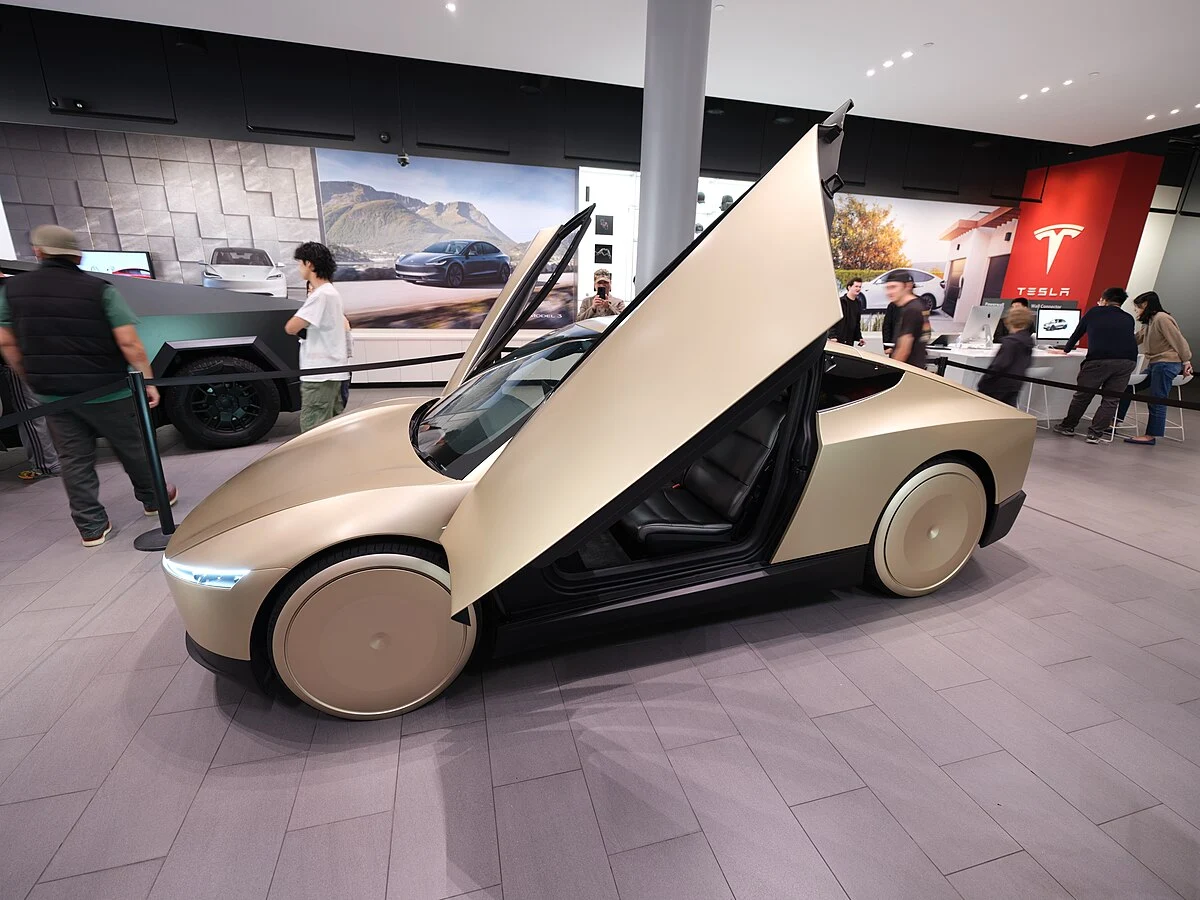
A Radical Design with No Driver Controls
Tesla is set to unveil its highly anticipated robotaxi on August 8, 2025, a fully autonomous electric vehicle that may feature neither a steering wheel nor pedals. Elon Musk confirmed the announcement via X (formerly Twitter), calling it the dawn of a “new era in transportation.” The robotaxi is expected to be built from the ground up on Tesla's next-gen platform, optimized for autonomy, safety, and affordability.
Powered by Tesla’s Full Self-Driving (FSD) AI
At the heart of the robotaxi lies Tesla’s Full Self-Driving software, which continues to evolve with AI-powered decision-making. Unlike traditional driver-assist systems, FSD aims for Level 4 or higher autonomy, allowing the vehicle to handle nearly all driving tasks without human input. Tesla's Dojo supercomputer is used to train massive neural networks on billions of driving miles, fine-tuning navigation, object detection, and real-time decision-making.
Remote Control for Safety and Supervision
Despite its autonomy, Tesla plans to deploy a remote operations center staffed by human supervisors. These trained personnel can intervene in special circumstances—such as navigating construction zones, responding to emergencies, or verifying unusual objects. This hybrid approach ensures regulatory compliance and adds a safety buffer while Tesla’s AI gains public trust.
No Steering Wheel? Regulatory Questions Arise
While Tesla aims to remove manual controls altogether, legal frameworks across countries vary. The company may need to offer versions with steering wheels initially or seek exemptions from safety regulations. U.S. transportation authorities, such as the National Highway Traffic Safety Administration (NHTSA), are already reviewing Tesla’s submissions for robotaxi-related design approvals.
Affordability and Network Expansion Goals
Musk claims the robotaxi could significantly reduce ride costs, making it cheaper than traditional car ownership or ride-hailing apps. Once deployed, Tesla plans to create a network of shared robotaxis operating under a new Tesla Mobility service, allowing owners to include their vehicles in the fleet for passive income generation—essentially an Uber without drivers.
A Bold Step Forward
With Tesla pushing toward a fully autonomous future, the robotaxi marks one of its most ambitious projects. If successful, it will reshape how cities function, impact employment in the driving sector, and ignite competitive responses from automakers and tech giants alike.