 TECH TIMES NEWS
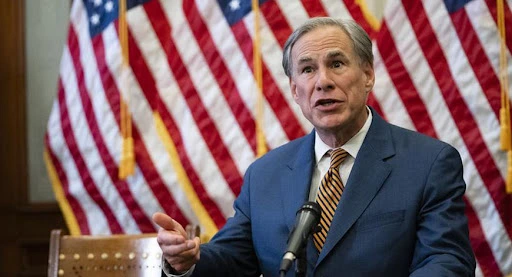
In a significant move aimed at protecting minors online, Texas Governor Greg Abbott has signed into law a bill requiring major app store platforms—such as Apple’s App Store and Google Play—to implement stringent age verification measures. The legislation, known as House Bill 3211, marks a first-of-its-kind state-level effort to regulate access to digital content through mobile application marketplaces.
Key Provisions of the Law
The new law mandates that digital distribution platforms operating in Texas must:
-
Verify the age of users before granting access to applications rated for mature or adult audiences.
-
Restrict access to certain apps based on age appropriateness, aligning with content ratings and developer-specified age thresholds.
-
Provide parental controls and opt-in mechanisms for guardians to manage what children can download or view.
-
Report compliance to the Texas Attorney General’s Office, with periodic audits to ensure adherence.
The law applies to all app stores with a significant user base in Texas, effectively targeting tech giants like Apple and Google. Violators may face fines up to $50,000 per infraction, along with potential legal action from the state.
Motivations and Support
Proponents of the law argue that current age-verification systems on app stores are too lenient and easy to bypass, allowing minors to access content featuring explicit material, violence, gambling, and other age-inappropriate themes.
“We cannot stand by while our children are exposed to harmful content with no meaningful safeguards,” Governor Abbott said during the signing ceremony. “This law ensures parents have more control, and that tech companies take real responsibility for what is available to young users.”
The bill received bipartisan support in the Texas Legislature, with lawmakers emphasizing the importance of protecting minors in an increasingly digital environment. Advocacy groups, including family safety and child development organizations, have also backed the measure.
Tech Industry Pushback
However, the legislation has not been without controversy. Apple and Google, while yet to issue formal statements, are expected to challenge the law’s enforceability, citing concerns over user privacy, technical feasibility, and potential conflicts with federal regulations and global app distribution practices.
Industry experts warn that implementing state-specific age checks may fragment the app ecosystem, raising logistical and legal questions for developers and international platforms.
“Creating a patchwork of compliance requirements state by state could burden innovation and infringe on the open nature of digital commerce,” said Natalie Kim, a tech policy analyst at the Center for Internet Freedom.
What’s Next
The law is set to go into effect on September 1, 2025, giving tech companies just over three months to adjust their systems. The Texas Attorney General’s office has been tasked with drafting detailed implementation guidelines, which are expected to be released in mid-June.
Meanwhile, similar bills are reportedly under consideration in states like Florida, Utah, and Arkansas, signaling what could become a broader national trend in online content regulation.