 TECH TIMES NEWS
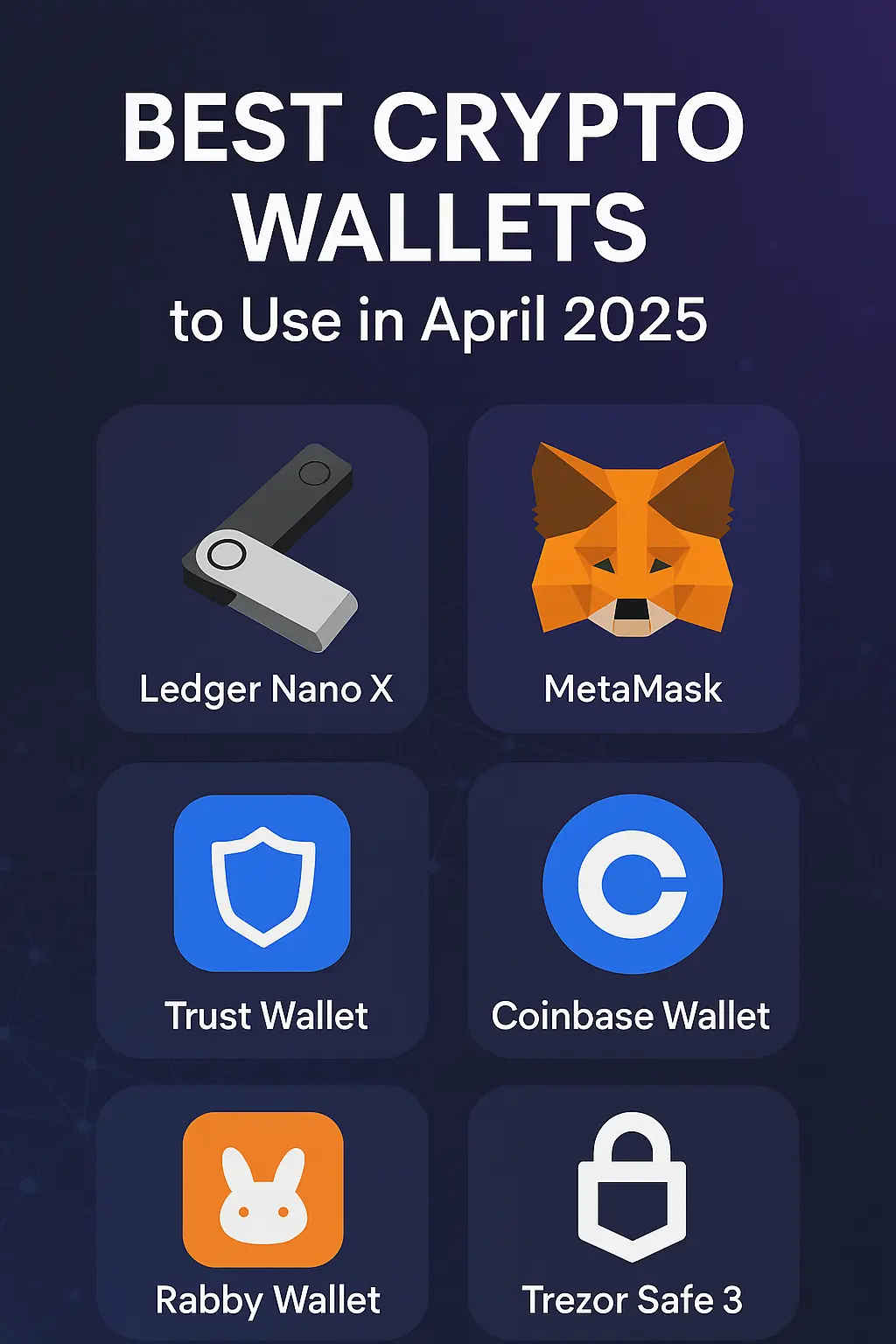
As cryptocurrency continues to move beyond its niche origins into the global financial mainstream, the demand for secure, reliable, and feature-rich crypto wallets has never been higher. With evolving threats, regulatory developments, and growing adoption across both retail and institutional sectors, selecting the right wallet in April 2025 is critical for protecting digital assets.
Here’s a rundown of the top-performing and most trusted crypto wallets currently available — categorized by use-case and tailored for both newcomers and seasoned traders.
🔐 1. Ledger Nano X (Hardware Wallet)
Best for: Security-focused long-term holders
Why it stands out:
Ledger remains the industry gold standard for hardware wallets. The Nano X offers Bluetooth connectivity, supports over 5,500 cryptocurrencies, and integrates with Ledger Live — its companion app — for seamless asset management. Despite facing competition, Ledger has maintained its reputation for high-end security, with private keys stored in a certified secure element.
Key Features:
-
Bluetooth-enabled
-
Supports staking and NFTs
-
Industry-grade security (CC EAL5+ certified chip)
-
Recoverable via secret phrase
New in 2025:
Ledger’s latest firmware update enhances compatibility with decentralized identity tools and enables direct integration with popular DeFi protocols.
📲 2. MetaMask (Software Wallet/Browser Extension & Mobile App)
Best for: DeFi and Web3 enthusiasts
Why it stands out:
MetaMask remains the go-to wallet for Ethereum and EVM-compatible blockchains. Its browser extension is the gateway to most DeFi apps, NFTs, and decentralized games. With growing Layer 2 support and multi-chain bridging now native to the wallet, it's more versatile than ever.
Key Features:
-
Supports Ethereum and dozens of Layer 2s (e.g., Arbitrum, Optimism)
-
Built-in swapping and bridging tools
-
Custom RPC support
-
Non-custodial with strong seed phrase protection
New in 2025:
MetaMask introduced “MetaMask Snaps,” a plugin system that allows users to customize wallet behavior, including multi-chain asset visibility, transaction simulation, and enhanced privacy features.
💼 3. Coinbase Wallet (Mobile/Browser Wallet)
Best for: Beginners and users already on Coinbase Exchange
Why it stands out:
Coinbase Wallet is distinct from the Coinbase Exchange app. It provides full control of private keys while keeping the user experience beginner-friendly. It supports a wide variety of assets and includes direct access to NFTs, DeFi, and dApps.
Key Features:
-
Self-custodial
-
Built-in Web3 browser
-
Compatible with most ERC-20 tokens and NFTs
-
Easy to use for beginners
New in 2025:
Coinbase Wallet now includes in-app staking for Solana, Cardano, and Ethereum, with APR estimates and auto-compounding.
🌐 4. Trust Wallet (Mobile Wallet)
Best for: Multi-chain access on mobile
Why it stands out:
Owned by Binance but fully non-custodial, Trust Wallet supports an enormous range of blockchains — over 70 — making it ideal for users who hold assets across multiple ecosystems. It’s user-friendly and well-integrated with NFT marketplaces.
Key Features:
-
Multi-chain support
-
In-app DEX and staking
-
Easy NFT access
-
Hardware wallet support (via WalletConnect)
New in 2025:
Trust Wallet added native support for Bitcoin Ordinals (NFTs on Bitcoin) and enhanced staking dashboards for Cosmos, Tezos, and others.
🧠 5. Rabby Wallet (Browser Wallet)
Best for: Multi-chain DeFi power users
Why it stands out:
A newer entry to the wallet space, Rabby is rapidly gaining traction for its smart chain-switching capabilities. It auto-detects the correct network for a dApp and gives clear transaction previews before signing.
Key Features:
-
Multi-chain support with auto-switching
-
Superior UX over MetaMask for advanced users
-
Detailed pre-transaction analysis
-
Open-source and free
New in 2025:
Rabby introduced privacy-focused features, including IP masking and zero-knowledge proof compatibility for private transactions.
📈 6. Trezor Safe 3 (Hardware Wallet)
Best for: Open-source hardware security
Why it stands out:
Trezor's latest wallet — the Safe 3 — brings stronger security chips and a modern interface to the open-source ecosystem. With Bitcoin, Ethereum, and other major cryptos supported, it's ideal for those who value transparency in hardware and firmware.
Key Features:
-
Open-source firmware
-
Tamper-proof physical security
-
Shamir Backup system
-
User-friendly touch interface
New in 2025:
Integration with popular mobile wallets and DeFi dashboards now makes Trezor usable for more than just long-term cold storage.
Final Thoughts
The right crypto wallet depends heavily on your individual needs: hardware wallets like Ledger and Trezor are ideal for security-focused users, while MetaMask, Rabby, and Trust Wallet offer powerful tools for exploring DeFi and NFTs. As Web3 grows more sophisticated and interconnected, wallets are evolving to become more than just storage — they’re gateways to digital identity, finance, and governance.
With new features rolling out each month and a growing emphasis on user security and sovereignty, April 2025 is a great time to reassess your wallet of choice.
Disclaimer: This article is for informational purposes only and does not constitute financial advice. Always do your own research and ensure you are using official wallet versions to avoid scams or loss of funds.