 TECH TIMES NEWS
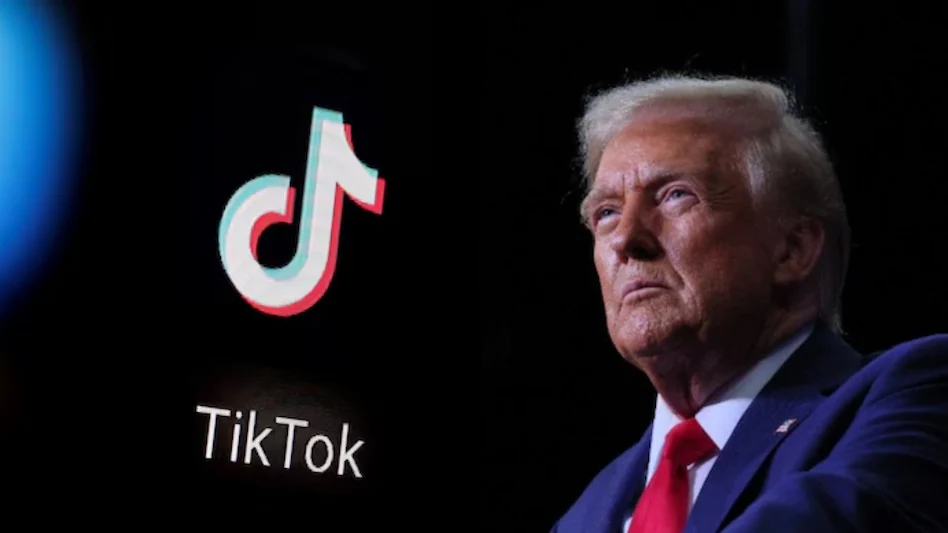
A recent book has revealed that former President Donald Trump closely followed India’s decision to ban TikTok in 2020 and was keen on implementing a similar move in the United States. India’s ban, which cited data privacy and national security concerns, served as a blueprint that Trump reportedly admired. According to the book, Trump viewed India’s action as a bold step against Chinese tech influence.
Concerns Over National Security and Data Privacy
Trump’s administration repeatedly raised alarms over the potential misuse of American user data by Chinese-owned platforms like TikTok. Internal discussions highlighted fears that the app could provide Beijing with sensitive information about US citizens. The book claims Trump believed a ban could protect American digital sovereignty, citing India’s policy as proof that such a measure could be executed effectively.
Strategic Considerations and Debates
While Trump was enthusiastic about the idea, the book details debates within his administration regarding legal hurdles, economic impact, and international diplomacy. Officials weighed the feasibility of banning TikTok without overstepping constitutional limits or triggering retaliation from China. Despite these concerns, the book suggests Trump remained persistent in his vision.
Experts Weigh In
Tech analysts note that India’s TikTok ban influenced global conversations on digital regulation and data security. While some praised India for taking a strong stance, others questioned the long-term implications for freedom of expression and business interests. Trump’s interest in mirroring the ban underscores the growing role of international precedents in shaping US tech policy.
Broader Implications for Social Media Regulation
The book highlights how India’s regulatory decisions have become a reference point for policymakers worldwide. Trump’s consideration of a TikTok ban reflects a broader trend of governments grappling with balancing innovation, privacy, and national security. Experts believe such discussions will continue as digital platforms expand their global reach and influence.