 TECH TIMES NEWS
Potential Policy Shift Could Ease Tensions in US-China Tech War
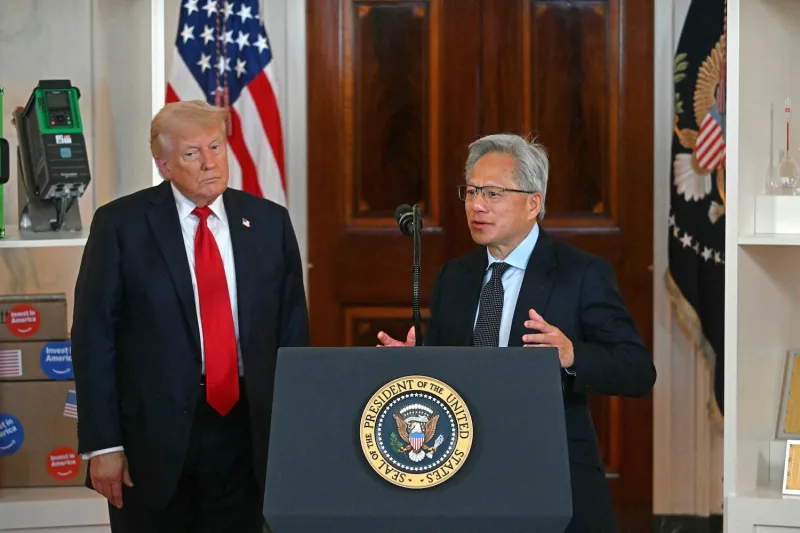
In a surprising policy move, former US President Donald Trump has indicated openness to allowing sales of a modified version of Nvidia’s upcoming next-generation AI chips to China. This marks a potential easing of restrictions that have, in recent years, significantly curtailed the flow of advanced semiconductor technology between the two nations. Trump’s comments come amid growing debates over the balance between national security and maintaining US companies’ global market competitiveness.
Nvidia May Supply “Controlled Performance” Chips
Industry insiders suggest that if the plan materializes, Nvidia could develop a “controlled performance” variant of its next-gen AI processors specifically designed to comply with US export regulations. These chips would reportedly fall below performance thresholds deemed sensitive for military or strategic use while still serving China’s expanding AI and data center sectors.
Balancing Security with Market Opportunity
The US semiconductor industry has long pushed for more flexibility in export rules, citing potential billions in lost sales. By permitting a limited version of Nvidia’s chips in China, Washington could allow US firms to regain some market share without compromising security. However, critics argue that any loosening of restrictions could inadvertently strengthen China’s AI capabilities.
China’s Growing AI Hardware Demand
China remains one of the largest consumers of AI hardware, with its tech giants investing heavily in generative AI, cloud services, and machine learning infrastructure. Analysts say even downgraded chips could be highly valuable for China’s domestic AI ecosystem, especially as local alternatives, such as those from Huawei, continue to advance.
Global Market Reaction
Following Trump’s remarks, Nvidia’s shares saw a modest uptick in after-hours trading. Investors appear optimistic about renewed access to the Chinese market, which could generate billions in additional revenue for the company. However, policy analysts caution that the proposal is still in its early stages and subject to change based on geopolitical developments.