 TECH TIMES NEWS
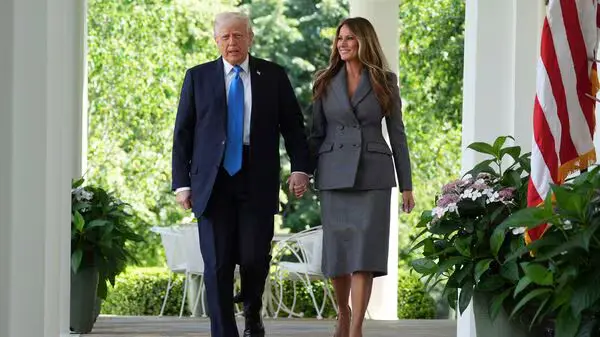
In a significant move to bolster protections for victims of online exploitation, former President Donald Trump, joined by then-First Lady Melania Trump, signed a bipartisan bill into law making the non-consensual sharing of explicit images—commonly known as “revenge porn”—a federal crime.
The legislation, which garnered strong support from both Republicans and Democrats, marks a landmark shift in addressing online abuse and privacy violations, particularly in the digital age where the unauthorized distribution of intimate images can have devastating consequences.
Key Provisions of the Bill
The law criminalizes the intentional distribution of sexually explicit images or videos of individuals without their consent, especially when such content is shared with the intent to harass, humiliate, or cause harm. Violators could face up to five years in federal prison, along with potential fines.
Importantly, the law also empowers victims to seek civil damages and provides mechanisms for rapid removal of such content from online platforms. Social media companies and hosting services are now required to respond more quickly to takedown requests, or face penalties for inaction.
A Push from Advocacy Groups
The bill’s passage was heavily influenced by years of advocacy from survivors, legal experts, and digital rights organizations who argued that existing laws failed to address the unique and growing threat of image-based sexual abuse.
“This is a victory for thousands of victims who have suffered in silence,” said a spokesperson for the Cyber Civil Rights Initiative, an organization that has long pushed for tougher laws against revenge porn. “Making this a federal crime sends a clear message: this kind of exploitation will not be tolerated.”
Melania Trump’s Involvement
Melania Trump, who spearheaded the “Be Best” campaign aimed at promoting child well-being and combating cyberbullying, played a visible role in supporting the bill. In brief remarks at the signing ceremony, she underscored the emotional toll of digital harassment and called for greater compassion and responsibility in online spaces.
“Victims of this abuse often feel voiceless, powerless, and shamed,” the First Lady said. “This law gives them protection and a pathway to justice.”
Criticism and Concerns
While the legislation was widely praised, some critics raised concerns about potential free speech implications and the challenges of defining intent in such cases. Civil liberties groups cautioned that the law must be applied carefully to avoid unintended consequences.
Nonetheless, legal analysts argue that the bill is narrowly tailored to target malicious conduct, rather than consensual sharing or protected expression.
Looking Ahead
The federal law complements existing state-level statutes, though until now, there had been a lack of consistency in how such crimes were prosecuted across jurisdictions. Federal involvement is expected to streamline enforcement and offer more robust legal tools for prosecutors and victims alike.
As technology continues to evolve and social platforms grow increasingly central to daily life, lawmakers indicated this bill is part of a broader push to modernize digital privacy protections.