 TECH TIMES NEWS
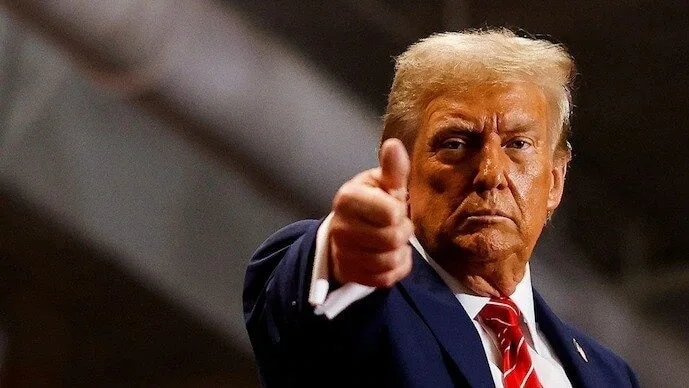
Bold Tariff Proposal Targets Global Chipmakers
Former U.S. President Donald Trump has announced plans to impose a 100% tariff on imported computer chips unless manufacturers establish production facilities within the United States. Speaking at a recent campaign event, Trump argued that the move is essential to safeguard national security, protect American jobs, and reduce dependency on foreign semiconductor production—particularly from Asia.
National Security at the Core of the Policy
Trump emphasized that semiconductor supply chains are vulnerable to geopolitical tensions, especially amid rising competition with China. He claimed that relying heavily on overseas production leaves the U.S. at risk during global crises, making domestic chip fabrication a strategic necessity.
Impact on Global Technology Industry
Industry experts warn that such a steep tariff could disrupt the global technology market, drive up electronics prices, and strain trade relations. Chipmakers like Taiwan Semiconductor Manufacturing Company (TSMC) and Samsung Electronics could face mounting pressure to expand U.S.-based operations to avoid punitive costs.
Push for ‘Made in America’ Chips
Trump’s proposal builds on existing bipartisan efforts to boost domestic semiconductor manufacturing, including initiatives under the CHIPS and Science Act. If implemented, the policy could accelerate construction of new fabrication plants in states like Arizona, Texas, and Ohio, but critics caution that such an aggressive approach could trigger retaliatory trade measures.
Mixed Reactions from Industry Leaders
While some U.S. tech executives welcomed the idea as a way to strengthen supply chains, others warned of potential production delays, increased costs for consumers, and possible trade wars. Analysts say the policy could reshape the semiconductor industry’s global landscape, forcing companies to reconsider where and how they manufacture chips.