 TECH TIMES NEWS
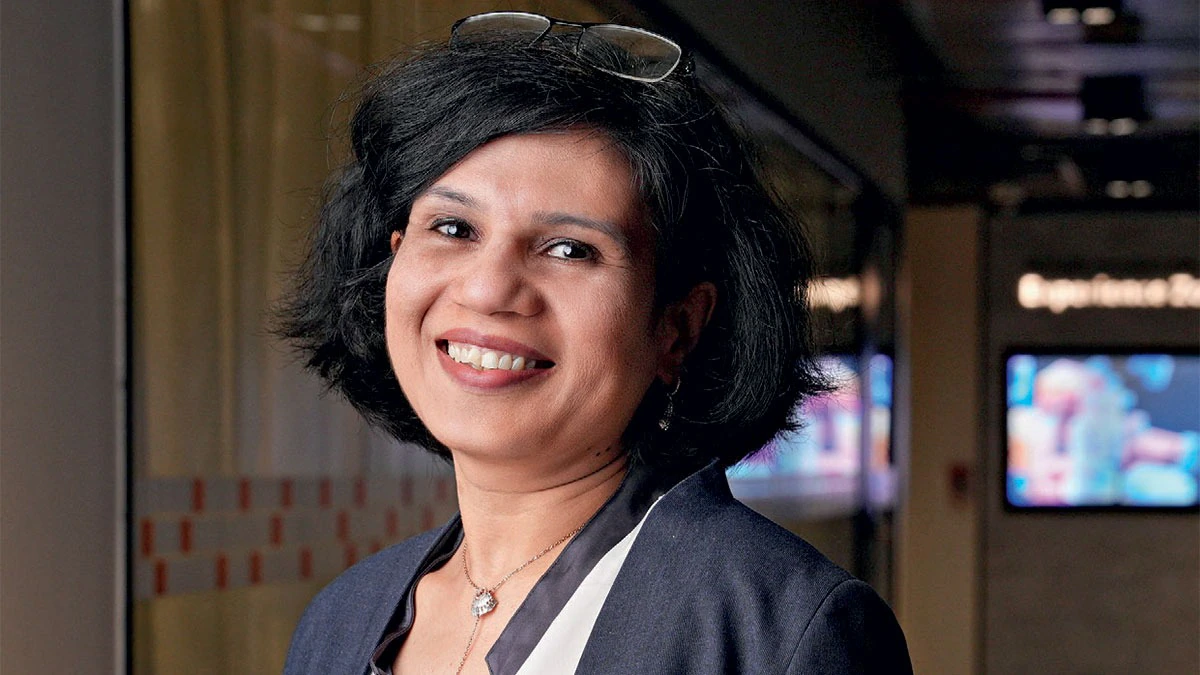
As artificial intelligence moves from experimentation to large-scale deployment, Anthropic’s India head Irina Ghose has made one point unambiguous—trust is no longer optional; it is foundational. Speaking about the evolving AI landscape, Ghose stressed that without user confidence, even the most advanced models will struggle to gain meaningful adoption.
Her stance reflects a broader shift within the industry, where performance benchmarks alone are no longer enough. Instead, companies are being evaluated on how responsibly and transparently they build and deploy AI systems.
India Emerges as a Strategic AI Battleground
India is quickly becoming one of the most important markets for global AI companies, driven by its massive digital user base, thriving startup ecosystem, and increasing enterprise adoption. Ghose highlighted that India is not just a consumption market but also a critical testing ground for scalable, real-world AI applications.
From financial services to healthcare and public digital infrastructure, Indian organizations are exploring AI at an accelerated pace. This makes the question of trust even more pressing, as systems must perform reliably across diverse and high-stakes environments.
Beyond Hype: Building Safe and Reliable AI Systems
Ghose underscored that Anthropic’s core philosophy centers on creating AI that is steerable, interpretable, and aligned with human intent. This includes reducing hallucinations, improving factual accuracy, and ensuring predictable behavior in enterprise settings.
The focus on safety is not just technical but operational. Enterprises adopting AI demand consistency, auditability, and safeguards against misuse—areas where trust directly influences purchasing decisions.
Regulation and Responsibility Take Center Stage
With governments worldwide—including India—moving toward tighter AI regulations, trust is increasingly tied to compliance and governance. Ghose acknowledged that proactive collaboration between AI companies, policymakers, and industry stakeholders will be essential.
India’s evolving regulatory framework, including discussions around AI disclosures and accountability, signals a future where transparency will be mandatory rather than voluntary. Companies that embed these principles early are likely to gain a competitive advantage.
Enterprise Adoption Hinges on Confidence, Not Just Capability
While generative AI has captured attention globally, enterprise adoption still hinges on risk assessment. Ghose pointed out that businesses are cautious about integrating AI into critical workflows unless they are confident in its outputs and safeguards.
This is particularly relevant in sectors like banking, legal services, and healthcare, where errors can have significant consequences. In such scenarios, trust becomes the deciding factor between pilot projects and full-scale deployment.
Anthropic’s Positioning in a Competitive AI Market
In a landscape dominated by major players, Anthropic is positioning itself as a trust-first AI company. Its Claude models are designed with safety layers and constitutional AI principles aimed at minimizing harmful or biased outputs.
Ghose’s remarks indicate that differentiation in the AI race may increasingly depend on how companies address ethical and operational concerns, rather than just model size or speed.
The Bigger Takeaway: Trust as the New AI Currency
The central takeaway from Ghose’s perspective is clear: the AI industry is entering a phase where trust will define winners and losers. As users become more aware of risks—from misinformation to data privacy—expectations from AI systems are rising sharply.
For India, this moment presents both an opportunity and a challenge. The country can lead in responsible AI adoption, but only if stakeholders prioritize trust alongside innovation.